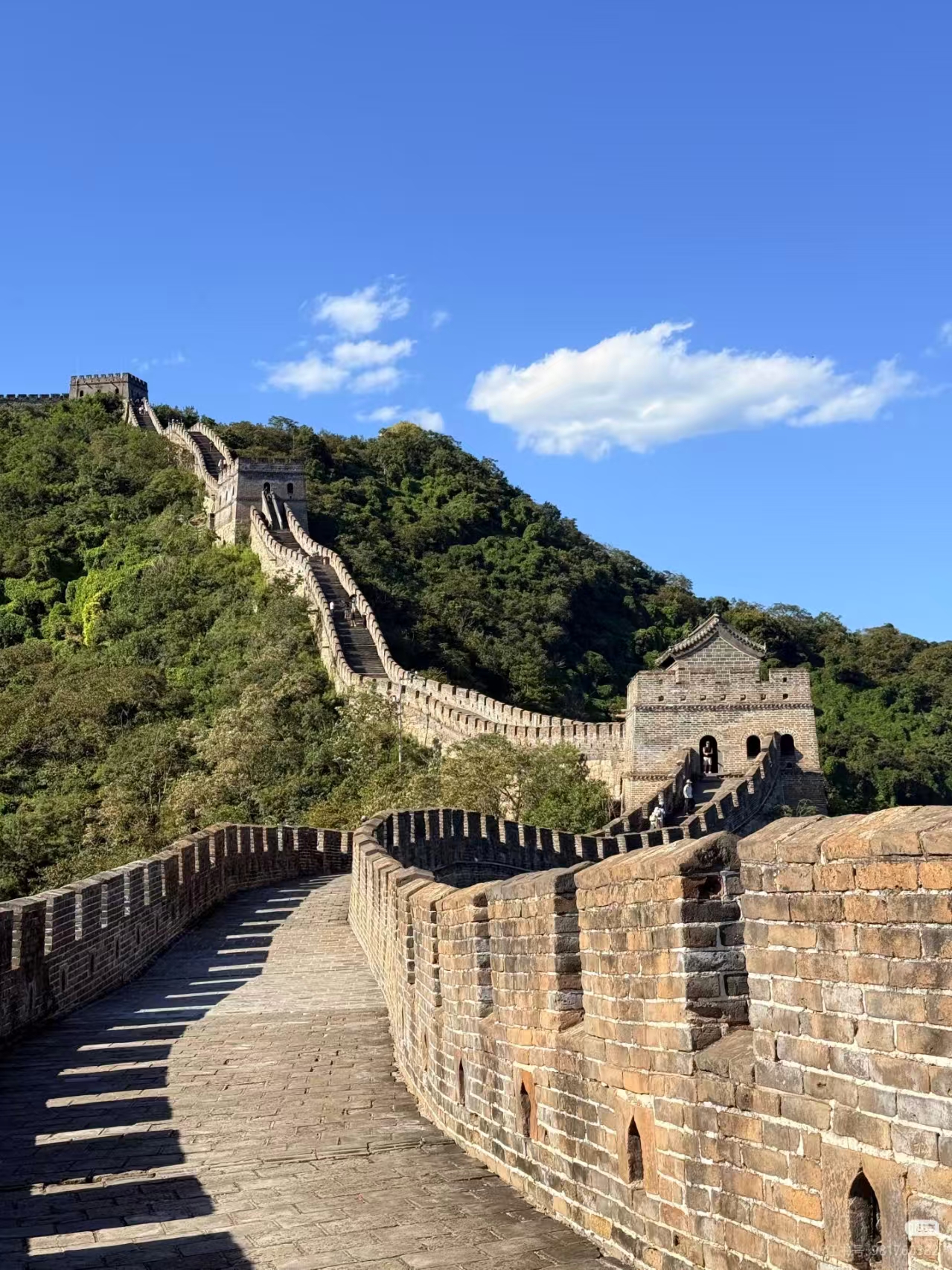


Badaling and Mutianyu are the two Great Wall sections most travelers compare from Beijing. They are both restored, accessible and historically important, but they create very different days.
For most international travelers, Mutianyu is the easier recommendation: it usually feels calmer, greener and better suited to photography, families and private pacing. Badaling is more symbolic and easier to reach by public transport, but its fame also brings heavier crowds.
The right choice depends on what you want from the Wall: national symbolism, quiet scenery, family comfort, hiking energy or a carefully timed private day.
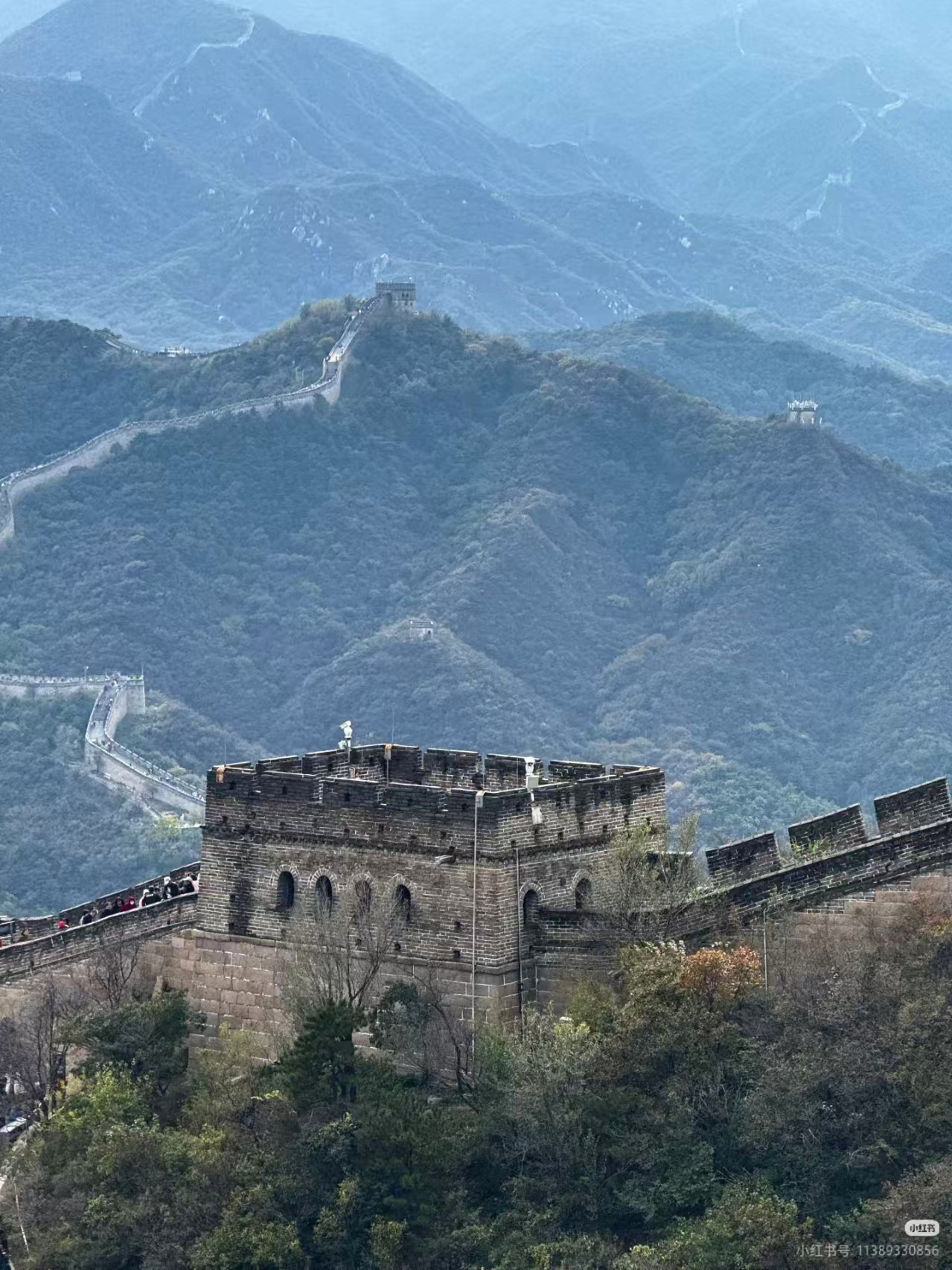
Badaling Great Wall is the best-known and most symbolic section near Beijing.
Quick Answer: Choose Mutianyu for Comfort, Badaling for Symbolism
Choose Mutianyu if you want a more relaxed first Great Wall visit, strong mountain scenery, good photo conditions and a smoother private day from Beijing.
Choose Badaling if you specifically want the most famous section, the national-symbolic experience, or the easiest public-transport option. It can be rewarding, but timing matters: an early arrival is essential during busy periods.
Many travelers assume the most famous section must be the best. In practice, the better section is the one that matches your tolerance for crowds, walking difficulty and the kind of memory you want to bring home.
Badaling vs Mutianyu: Five Practical Differences
1. Crowds
Badaling is the most famous and usually the busiest Great Wall section near Beijing. Mutianyu is also popular, but its layout and setting often make the experience feel less compressed.
2. Scenery
Mutianyu is surrounded by wooded hills, which makes it especially attractive in spring and autumn. Badaling feels more monumental and exposed, with strong ridgelines and a ceremonial sense of arrival.
3. Access
Badaling is generally easier for independent travelers using public transport. Mutianyu is often more comfortable by private vehicle, especially for families or travelers who want a less rushed day.
4. Walking difficulty
Both sections include steep steps. Badaling's popular Hero Slope can feel intense when crowded. Mutianyu offers more ways to shape the day, from a shorter scenic visit to a longer watchtower walk.
5. Atmosphere
Badaling gives you the Wall as national icon. Mutianyu gives you the Wall as landscape, architecture and breathing room.
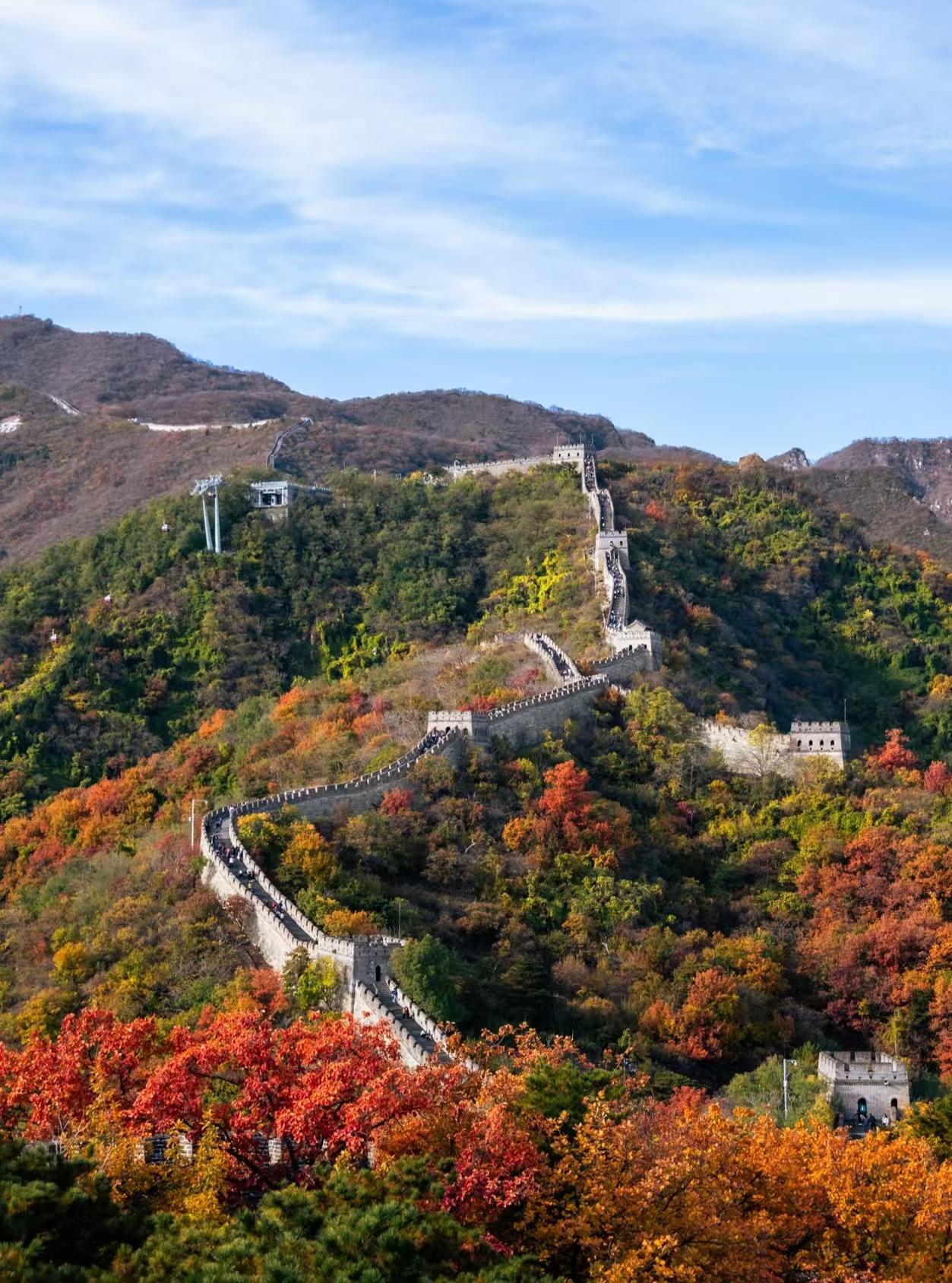
Mutianyu is often the better choice for scenery, photography and a calmer private Great Wall day.
How to Choose by Traveler Type
First-time international visitors: choose Mutianyu unless Badaling's symbolic status is personally important.
Families: Mutianyu is usually easier to pace, with cable car and toboggan options that can make the day more enjoyable for children.
Photographers: Mutianyu usually offers more flexible angles and a greener setting. Go early or late in the day for better light.
Travelers short on time: Badaling can work if public transport simplicity matters, but a private vehicle makes either section easier.
History-focused travelers: both sections matter. Badaling carries modern national symbolism; Mutianyu rewards a closer look at watchtower placement, ridgelines and defensive logic.
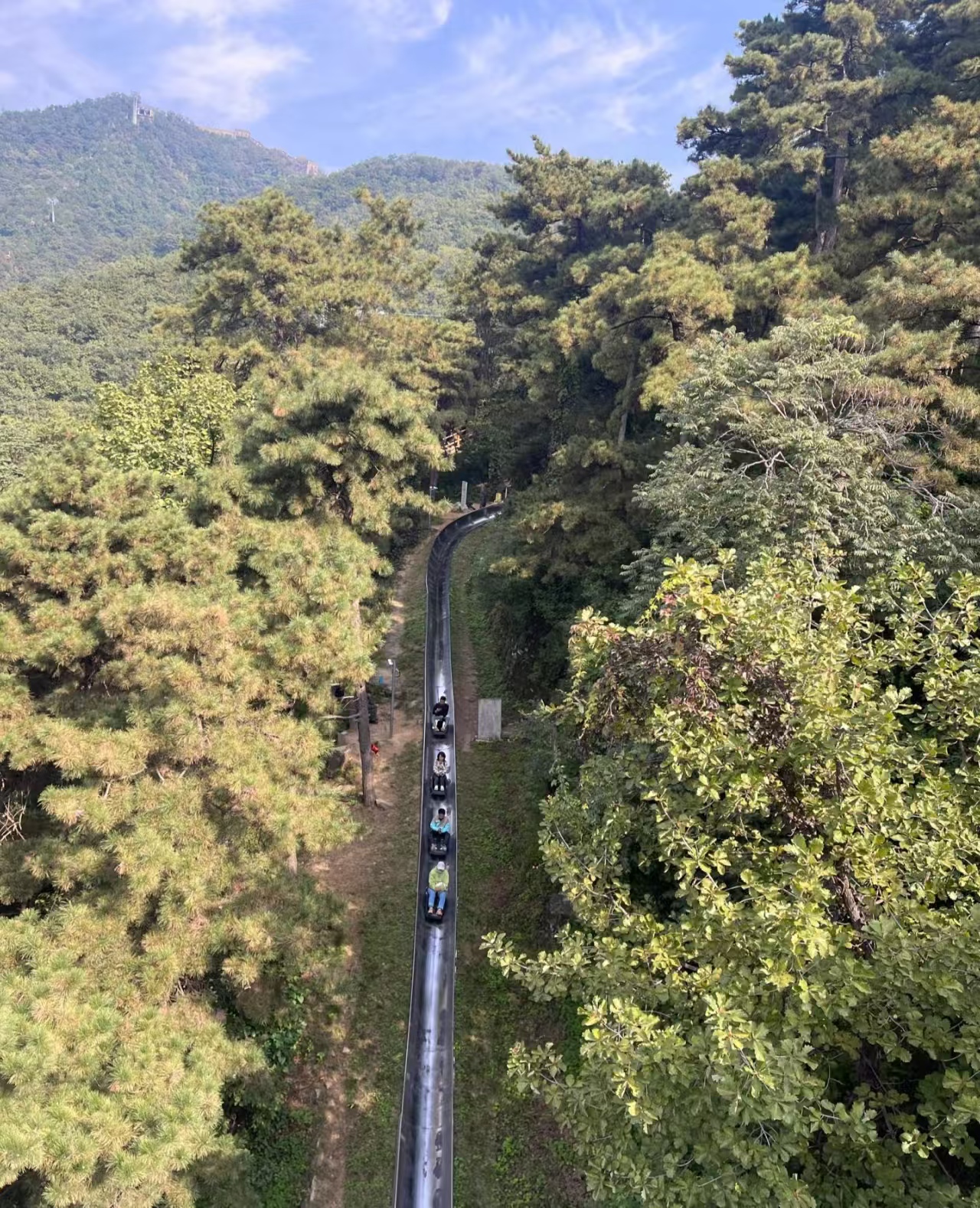
Cable car and toboggan options can make Mutianyu a flexible Great Wall choice for families.
How KoraScale Plans a Better Great Wall Day
KoraScale plans Great Wall days around timing, crowd flow, weather and the traveler's energy level.
A private Mutianyu day can be timed for better light, slower walking and a more comfortable return to Beijing. A Badaling visit can still work well when it is planned for an early arrival before the main crowd wave.
Opening hours, ticketing windows and facilities such as cable cars or toboggans can vary by season, weather, maintenance and holiday controls, so the final plan should be checked close to the travel date.
For travelers who want both symbolism and scenery, KoraScale can design a dual-section day by private vehicle, but only when the schedule, season and physical pace make it worthwhile.