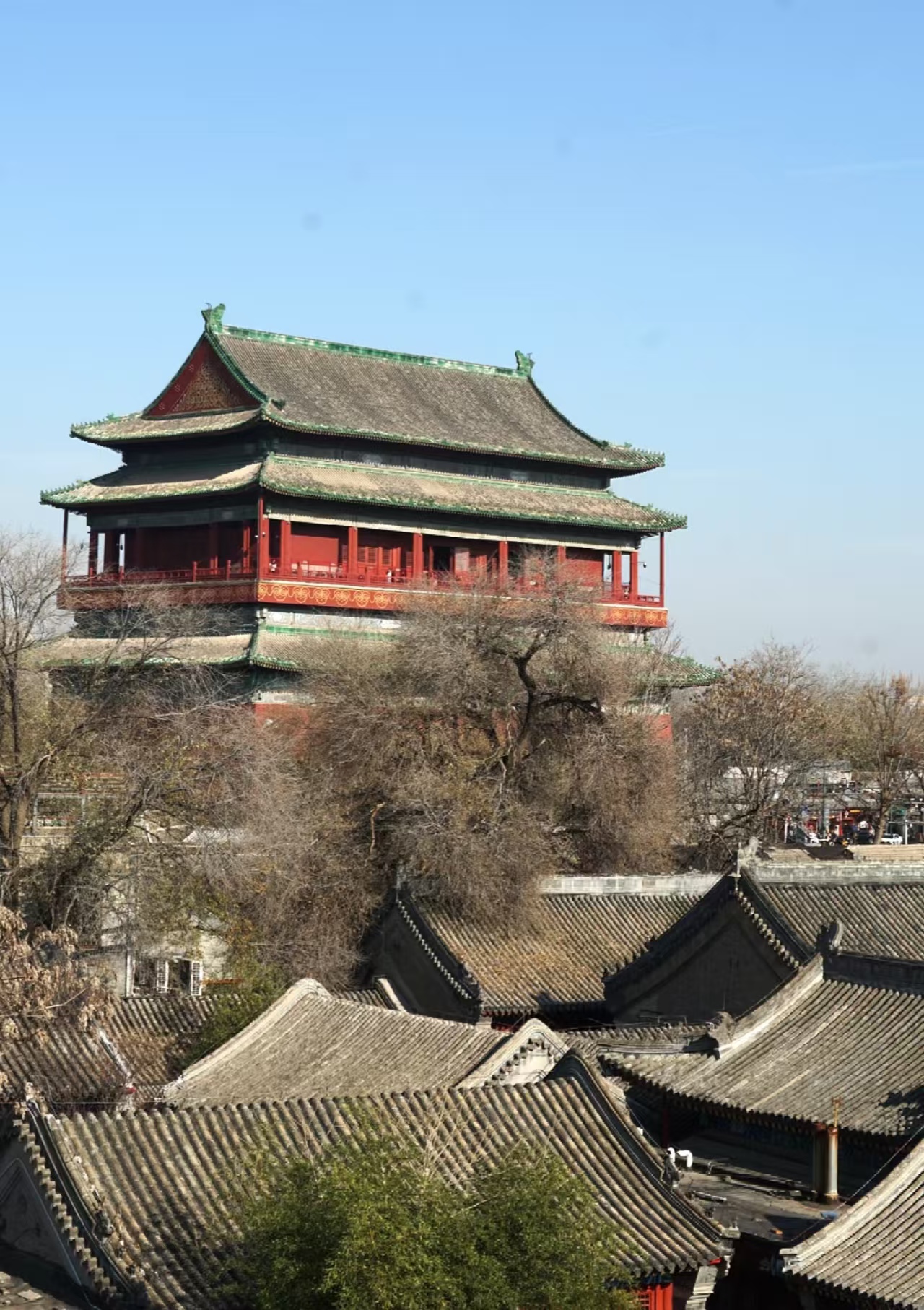


To the untrained eye, a Beijing Hutong is a picturesque alleyway of gray bricks and red doors. But to the architects of the 13th-century capital, it was something far more sophisticated: a modular social algorithm.
At Korascale, we don't view Hutongs as "charming relics." We view them as the city’s original hardware—a 700-year-old system designed to manage resource gathering, thermal regulation, and social hierarchy.
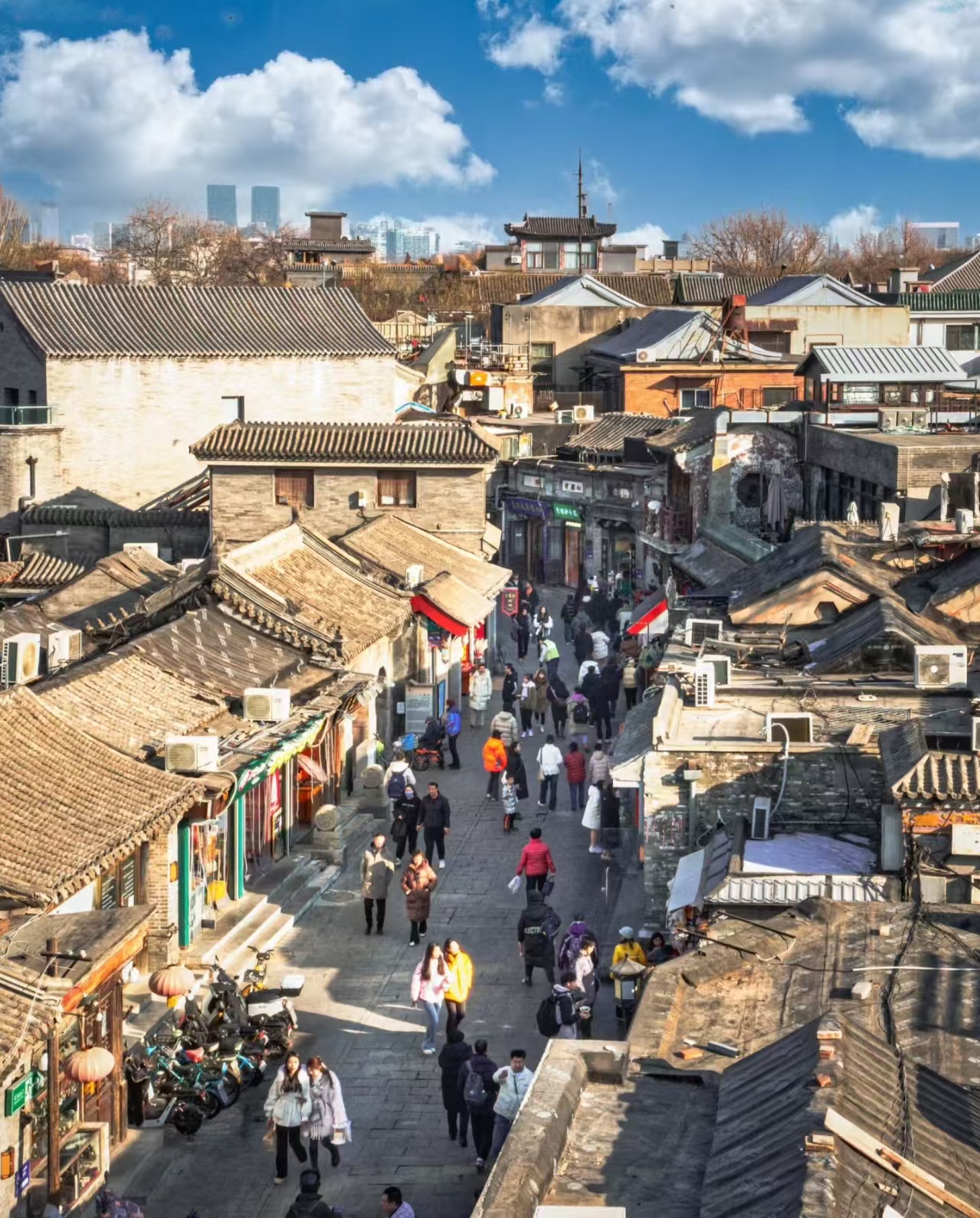
Beijing Hutong: How to Read the Living Manuscript of Old Beijing | Siheyuan, Yuan Dynasty Beijing - Korascale Bespoke Travel
The Myth and the Grammar of the Grid
The word Hutong itself is a linguistic fossil. Most scholars trace it back to the Mongol word hottog (water well), brought to the capital by Kublai Khan’s urban planners. In the arid plains of Northern China, life clustered around water.
But the Hutong is more than a path to a well; it is a Grammar of Space. The city was laid out with a strict "Fractal" logic:
- The Orientation: Every primary Hutong runs East-West, allowing the courtyards (Siheyuan) to face South. This is "Solar Engineering"—maximizing the low winter sun while blocking the harsh Siberian winds.
- The Geometry of "Qi": Notice how smaller alleys rarely run in a straight line for long. According to traditional Feng Shui—the ancient precursor to environmental psychology—straight lines allow "Sha Qi" (destructive energy) to accelerate. The zigzag of a Hutong is a primitive "speed bump" for both wind and spirit.
- The Power Map: The wider, more orderly Hutongs flank the Forbidden City, reserved for the high aristocracy. As you move toward the city’s outer rings, the grid breaks down into the organic, narrow "capillaries" of the working class.
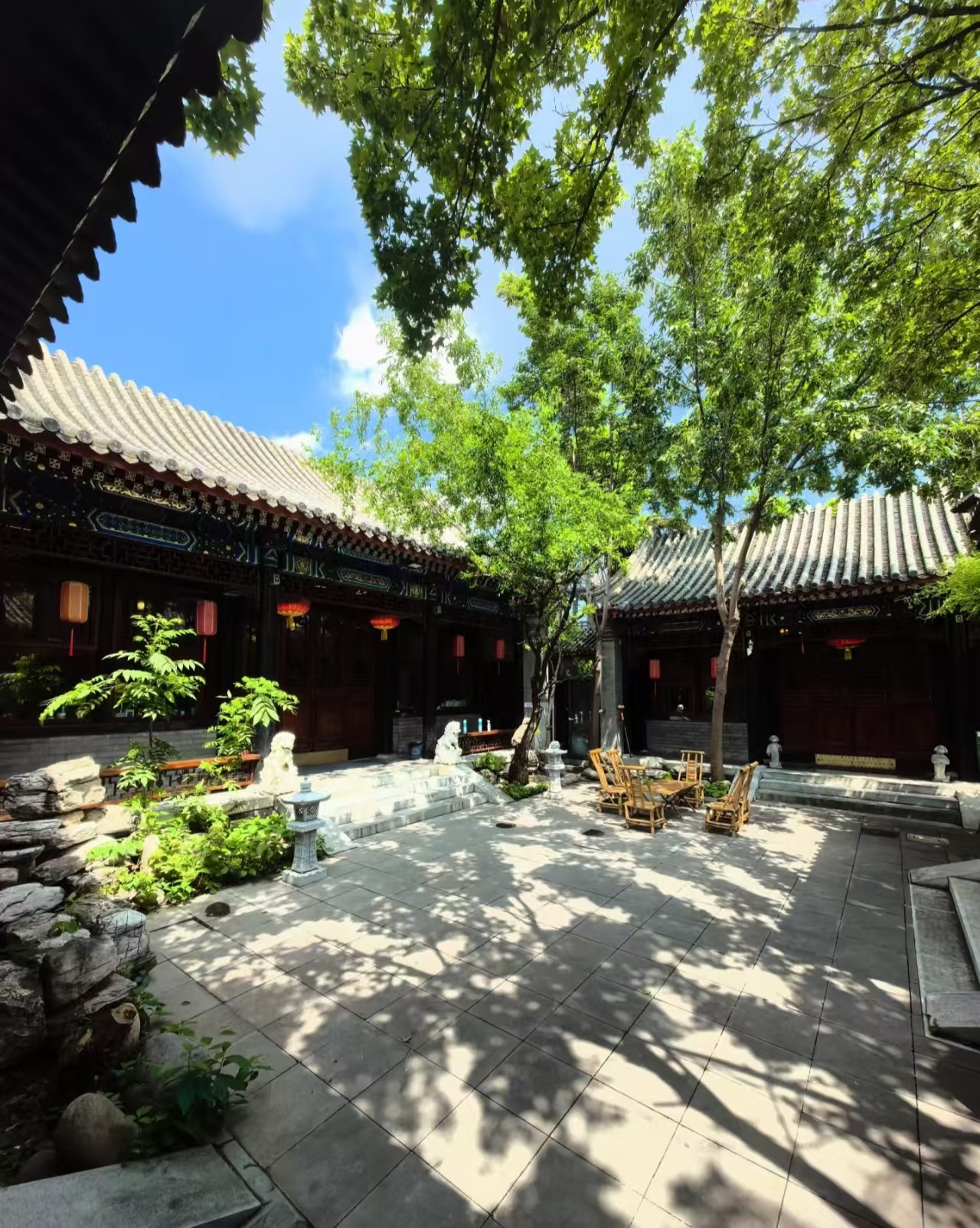
Siheyuan Courtyard House Beijing and Feng Shui Architecture — Korascale Bespoke Travel private cultural experience.
The Three Hutongs: A Taxonomy of Experience
Not all Hutongs are created equal. To navigate Beijing effectively, you must distinguish between the "Set," the "Buffer," and the "Hardware."
Level 1: The Performance Hutong (Nanluoguxiang Main Street)
This is the commercial interface. While the main spine of Nanluoguxiang has succumbed to the "gentrification of snacks," its value lies in its lateral integrity. The real story is in the side-alleys like Ju’er and Mao’er, where the original Ming-dynasty scale remains intact behind the neon signs.
Level 2: The Transitional Hutong (Shichahai & Yandai Xiejie)
Where the city’s water system meets its leisure logic. This area is a palimpsest of Qing Dynasty naval history and 21st-century nightlife.
- The Strategy: Start at Yinding Bridge at dusk. Face away from the bar lights and head west into the deep shadows. This is where you find the Prince Kung’s Mansion, the most complete imperial garden outside the Forbidden City.
Level 3: The Authentic Hardware (Wudaoying & Dongjiaomin Xiang)
- Wudaoying: An example of "Organic Vitality," where independent boutiques "hot-swap" into ancient structures without destroying the brick-and-mortar DNA.
- Dongjiaomin Xiang: The only European-style Hutong. Stretching 3km, it was the former Legation Quarter—a surreal corridor of Gothic and Romanesque stone amidst a sea of Chinese gray tile.
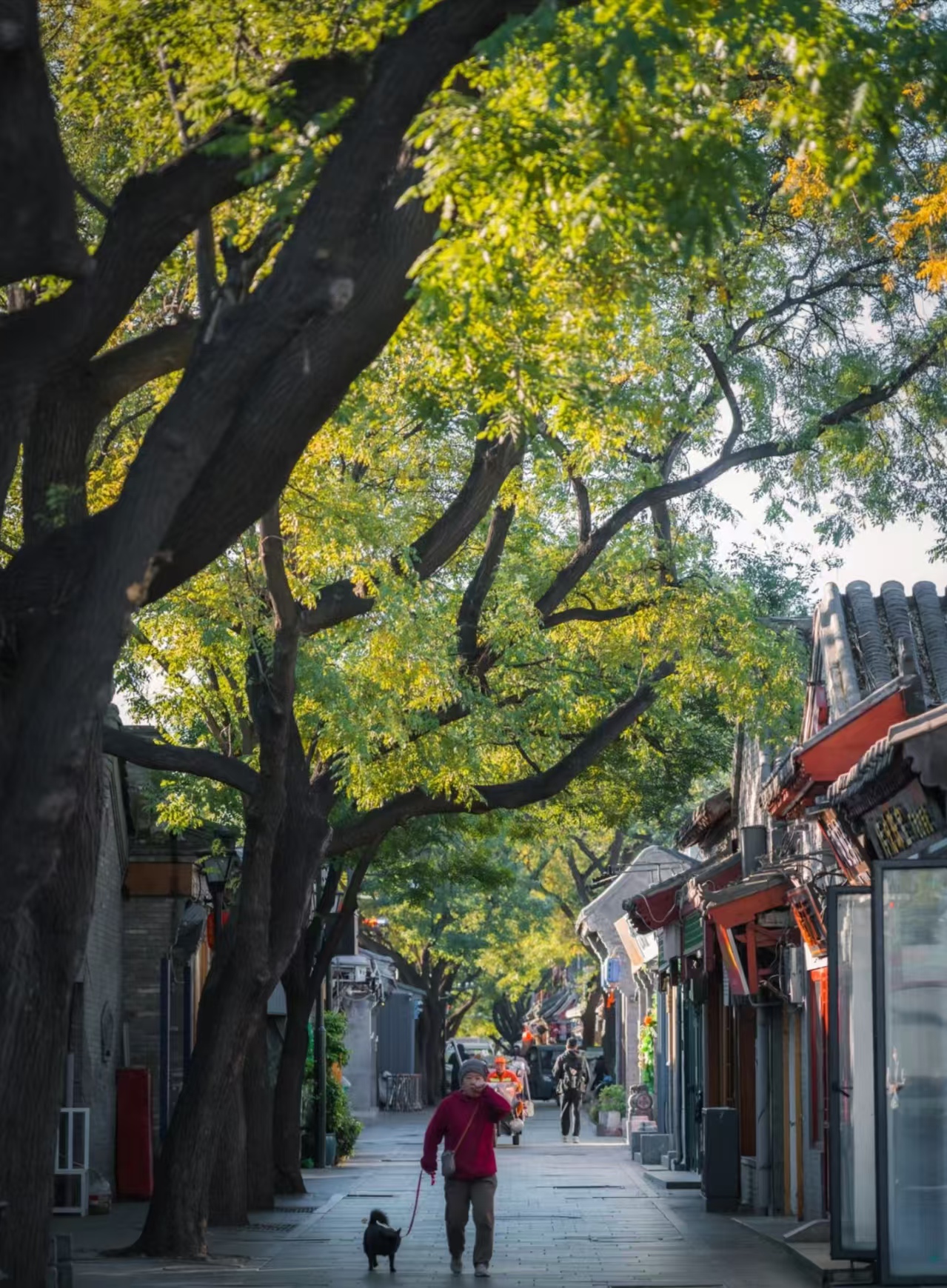
Beijing Local Life and Ming Qing Dynasty Beijing street culture — authentic hutong morning with Korascale.
The Korascale Protocol: Reading the Red Doors
Standard tours walk through Hutongs; Korascale reads them. Our Hutong experience is built on three proprietary pillars:
1. The Dawn Sync (07:00 – 09:00)
The Hutong’s "True State" only exists before the tourists wake up. We navigate the back-alleys of Shichahai as the vegetable markets open and the pigeon whistles (a signature Beijing soundscape) begin. This is the only time to witness the Non-Formal Sync of neighborhood life.
2. The Grammar of "Gate-Match" (门当户对)
We teach you to decode the social standing of a house by looking at its "Hardware":
- The Door Piers (门墩): Round, drum-shaped stones signify a military household (the drum of war); square, box-shaped stones signify a civil official (the seal of office or a book chest).
- The Roof Anchors: Counting the wooden beams (Zam) above the door tells you exactly where the owner sat in the imperial hierarchy.
3. Private Courtyard Residency
Through our exclusive network, we provide access to non-commercial private Siheyuans in the Dongcheng District. This isn't a museum visit; it's a dialogue with families who have maintained these "Atmospheric Regulators" for generations. You’ll learn why a pomegranate tree and a goldfish basin are essential components of the Hutong’s micro-climate.
The Intelligence for Your 2026 Journey
The number of Hutongs is shrinking, with only about 1,000 documented alleys remaining within the 25 protected zones. To see the "Invisible Spine" of the capital, you must look for the texture, not the signs.