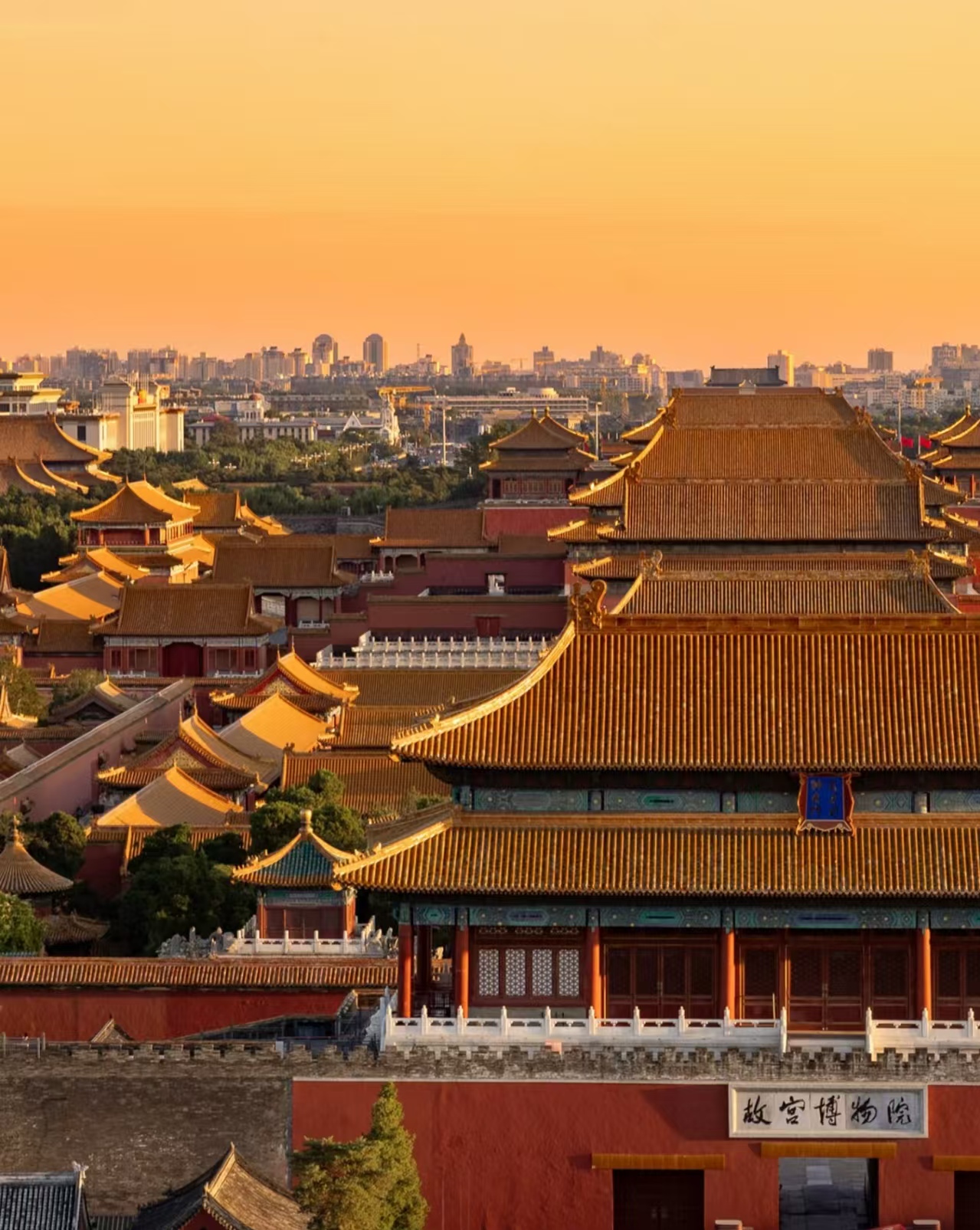


If the Central Axis is the city’s spine, the Forbidden City is its central processing unit (CPU). Covering 720,000 square meters, it wasn't designed for comfort; it was a high-security enclosure built to manifest the Emperor’s divine right through architectural intimidation.
To walk it like a tourist is to see red walls; to walk it with Korascale is to decode the "Hardware of an Empire."
1. The Survival Logic: Assassin-Proof Architecture
Most visitors walk on the stones without realizing they are standing on a 600-year-old security system.
- The 15-Layer Floor: In the main courtyards, the ground is composed of 15 layers of staggered bricks. Why? To prevent assassins from tunneling into the palace. The bricks were laid in a "cross-hatch" pattern—horizontal layers alternating with vertical ones—making it a subterranean labyrinth.
- The Silent Forest: Notice the lack of ancient trees in the Outer Court (Taihemen to Taihedian). This wasn't an aesthetic choice. It was a security protocol to eliminate hiding spots for intruders and ensure an unobstructed line of sight for the Imperial guards.
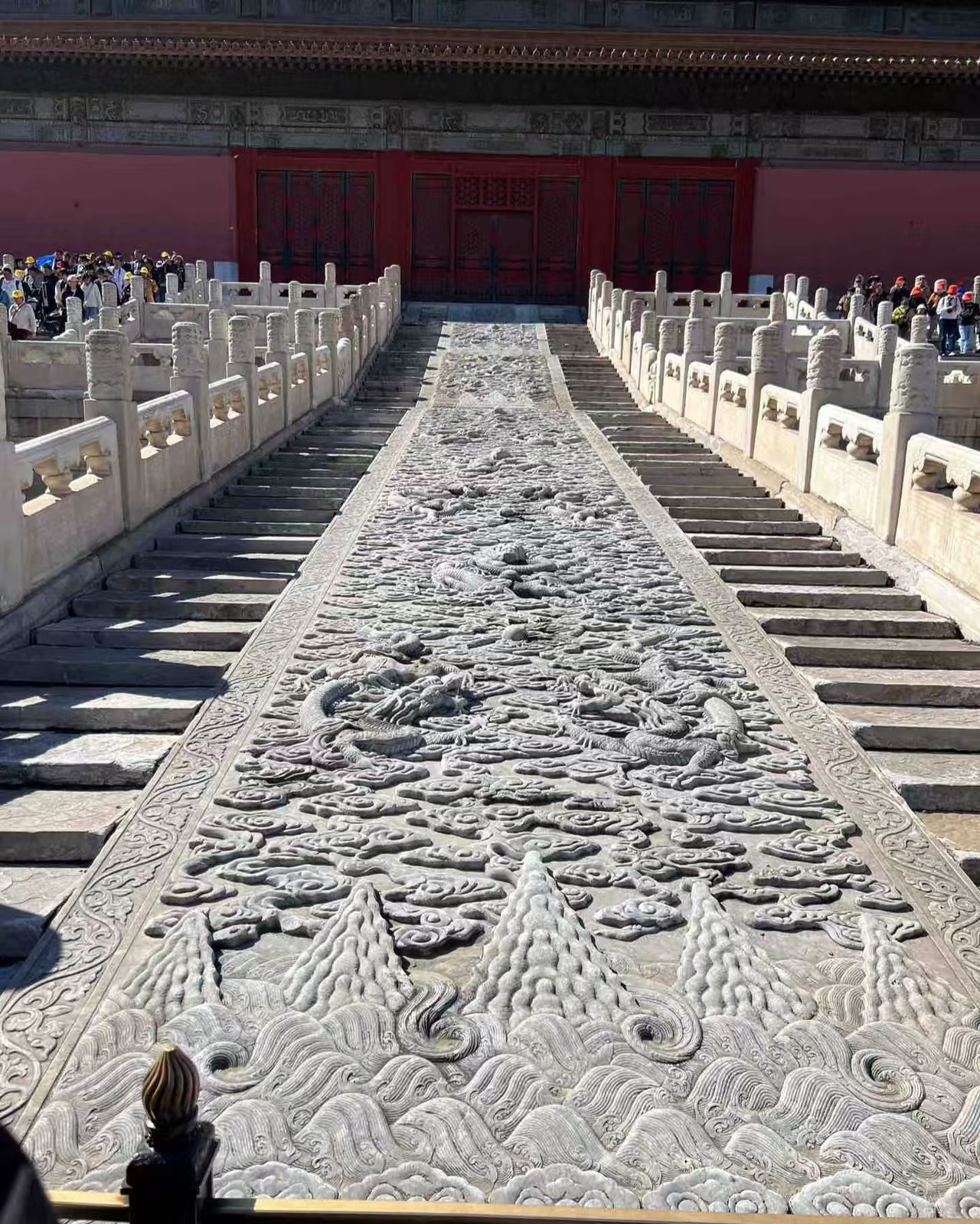
The Geometry of Absolute Power: A Strategic Guide to The Forbidden City - 15-layers-of-staggered-bricks
2. Decoding the Facade: The Math of Door Studs
In the Forbidden City, math is never neutral. It is the language of rank.
- The 9x9 Rule: Look at the massive red gates. You’ll see golden doornails (Gate Studs). On the main Imperial gates, there are exactly 81 studs—arranged in a 9x9 grid.
- Why 9? In Chinese numerology, 9 is the ultimate "Yang" (positive/masculine) number, reserved exclusively for the "Son of Heaven."
- The "Error" at Donghuamen: Keep an eye out for the East Flower Gate. It only has 8 rows of 9 studs (72 total). Why? Because this was the gate used for funeral processions. Even in death, the math had to change.
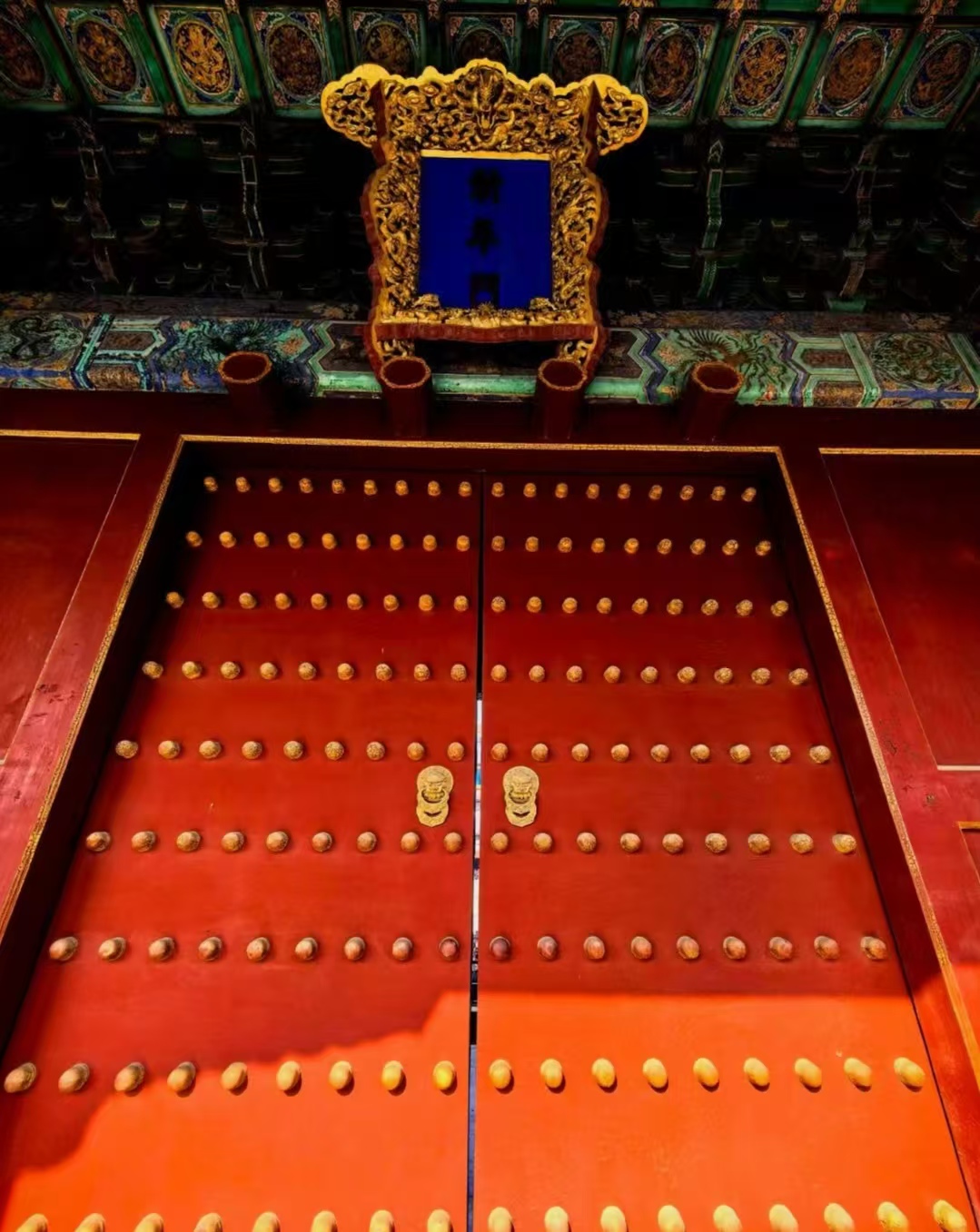
The Geometry of Absolute Power: A Strategic Guide to The Forbidden City - door-studs
3. The Roof Guardians: A Hierarchy in Ceramic
Look up at the sloping yellow eaves. On the corners, you’ll see a line of mythical creatures (Roof Beasts). This is the palace’s Visual Rank System.
- The Count: The number of beasts tells you the importance of the building. Most halls have 3, 5, or 7.
- The Ultimate Hall: The Hall of Supreme Harmony (Taihedian) is the only building in all of China permitted to have 10 beasts, led by a man riding a phoenix.
- The 10th Beast (Hangshi): A winged, monkey-like demon found only here. It’s the "Level 10" clearance of the Ming and Qing dynasties.
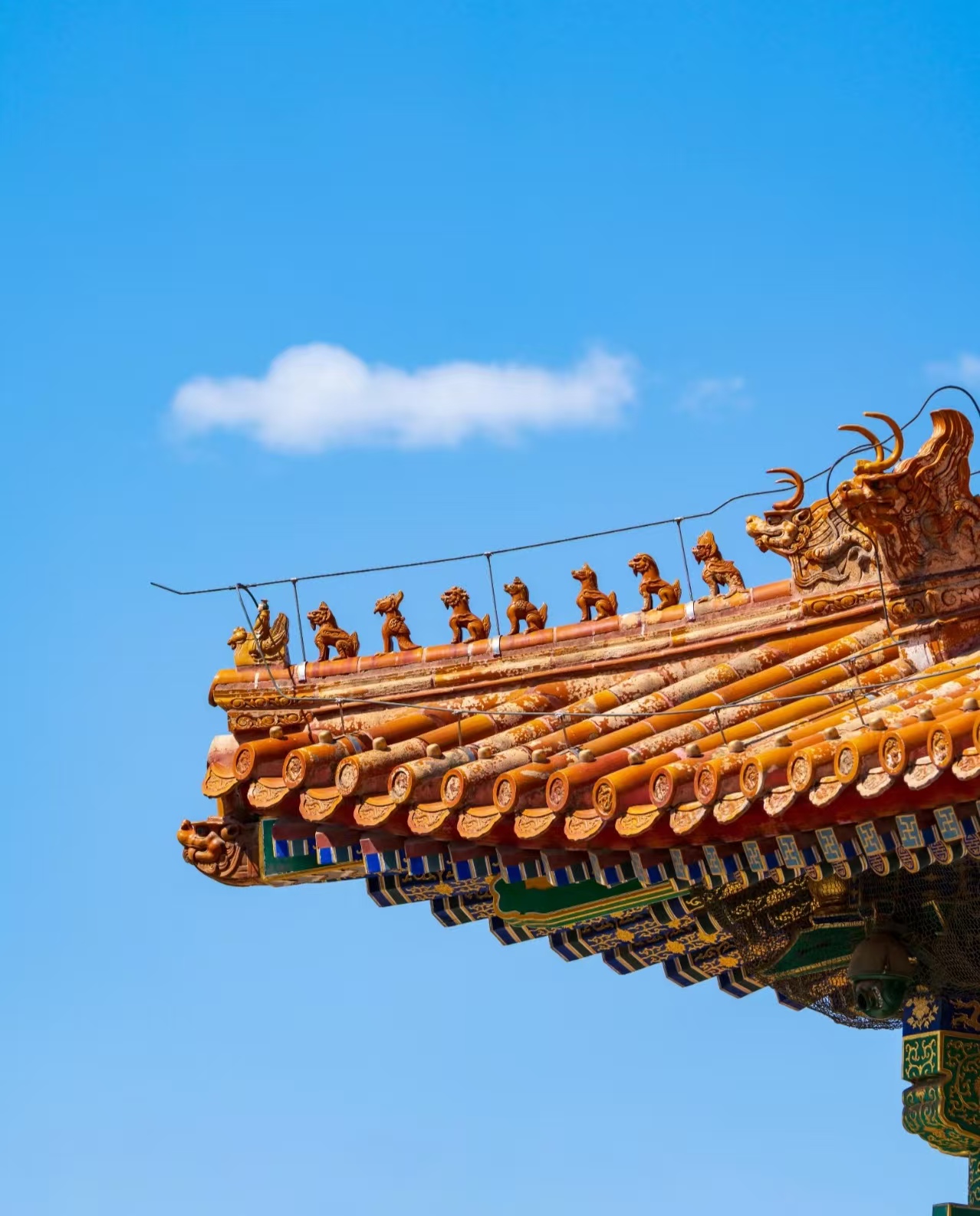
The Geometry of Absolute Power: A Strategic Guide to The Forbidden City - the-roof-beasts
4. The Korascale Route: Evading the "Human Tide"
To experience the palace’s "Sacred Silence," you must break the standard north-south flow.
- The 8:30 AM Sprint: Enter through the Meridian Gate (Wumen) and immediately pivot East or West. Most tour groups head straight for the central axis. By moving into the Eastern Palaces (The Clock Museum area) or the Western Palaces, you find the original quietude of the inner court.
- The Secret Shimmer: Visit the Palace of Longevity and Health (Shoukang Gong). The lack of crowds allows you to see the original "Golden Brick" floors—bricks fired for two years and soaked in tung oil to create a metallic, mirror-like finish.
- The Exit Strategy: Do not exit through the North Gate (Shenwumen) immediately. Climb the ramparts on the corner towers first. It provides the only perspective where you can see the "Sea of Yellow Roofs" against the modern skyline
5. Modern Survival Intelligence
- Booking: Tickets are released 7 days in advance at 8:00 PM via the official WeChat Mini Program. They sell out in seconds. If you don't have a Chinese ID, use your passport and be ready at 7:59 PM.
- Hydration: There are very few vending machines inside the core halls. Carry a 1L bottle.
- The "Forbidden" Walk: The total distance for a thorough Day 2 exploration is roughly 12,000 steps. Wear shoes with structural support; these stones are unforgiving.