
There are two moments in history when the world "discovered" Shanxi.

The first was in 1937. Architects Liang Sicheng and Lin Huiyin trekked into the deep folds of Mount Wutai to find the Foguang Temple. Built in 857 AD, its East Hall shattered the Japanese academic claim that "no Tang Dynasty wooden structures remained on Chinese soil." It wasn't just an archaeological find; it was a reclamation of China’s architectural soul.

The second was in 2024. With the release of the global hit Black Myth: Wukong, millions of players encountered the haunting beauty of Shanxi’s temples. Of the game’s 36 real-life locations, 27 are in Shanxi. Overnight, search volume for the province spiked by over 3,000%.

What Liang Sicheng did for academia in the 20th century, a video game has done for global culture in the 21st. Shanxi has never been forgotten—it has simply been waiting for a new generation of storytellers.
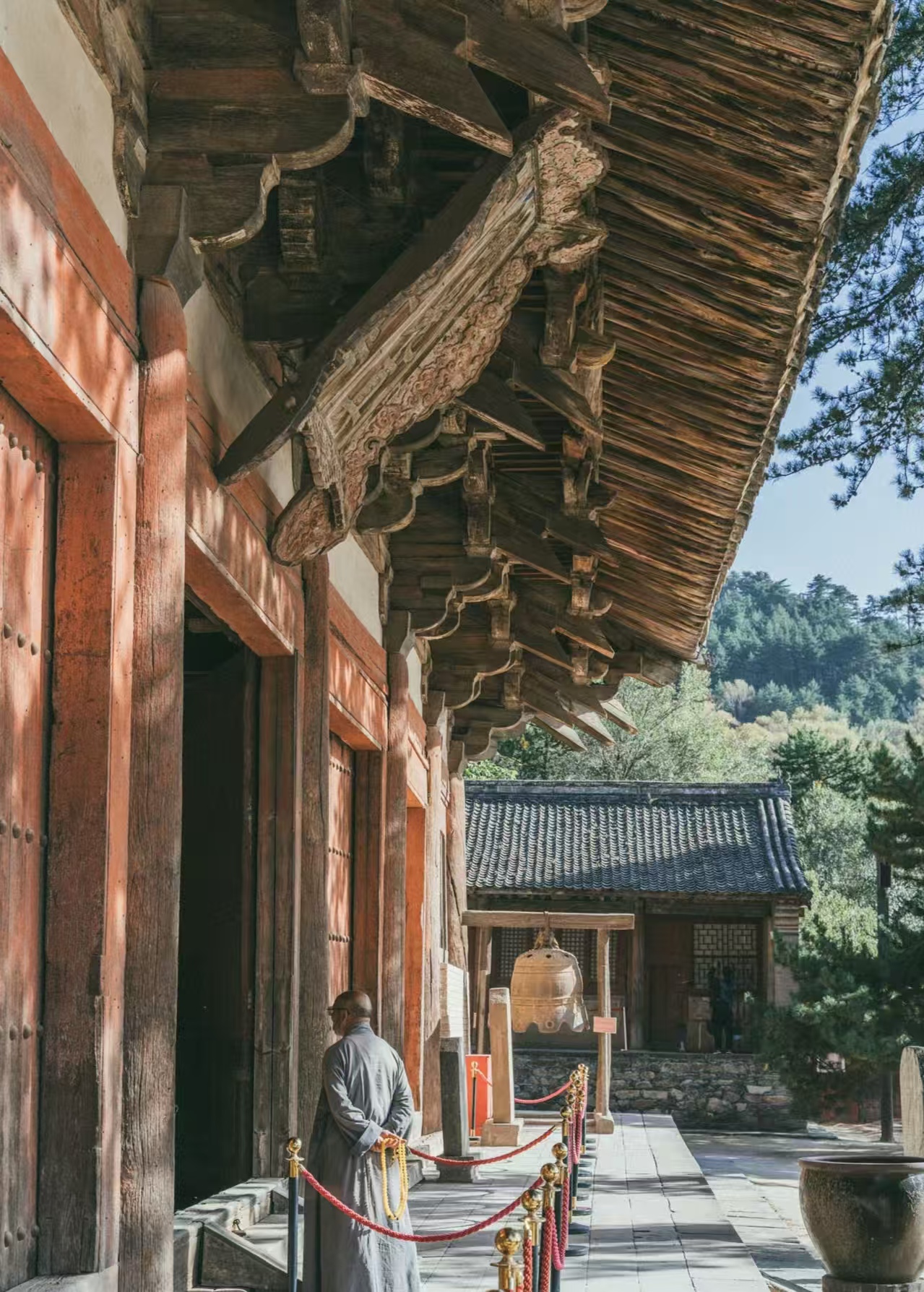
Foguang Temple Tang Dynasty 857 AD and Liang Sicheng discovery — Tang Dynasty Wooden Architecture Shanxi by Korascale.

Foguang Temple Tang Dynasty 857 AD and Liang Sicheng discovery — Tang Dynasty Wooden Architecture Shanxi by Korascale.

A Living Textbook of Wood and Stone

Shanxi is home to the highest density of ancient wooden structures in China. To walk through the province is to flip through a physical textbook of architectural evolution across five dynasties.

The Northern Wei Layer: Yungang Grottoes (460 AD)

This is where foreign religion met Chinese art. In Cave 20, the 17-meter Buddha bears Gandharan features—Greek-style robes and Roman-inspired floral scrolls—marking the exact moment Buddhism was "translated" into a Chinese aesthetic.

The Tang Layer: Foguang Temple (857 AD)

Liang Sicheng called it the "Four-in-One Treasure." It contains Tang Dynasty architecture, sculptures, murals, and calligraphy all in one hall. The massive, far-reaching bracket sets (Dougang) give the roof a soaring, bird-like silhouette—the definitive signature of Tang elegance.

The Liao Layer: Yingxian Wooden Pagoda (1056 AD)

Standing at 67.31 meters, this is the world's oldest all-wood multi-story structure. Built without a single iron nail, it utilizes 54 different types of bracket sets to absorb seismic energy. It has survived an 8.0-magnitude earthquake and countless wars—and today, it stands as a central icon in Black Myth: Wukong.

The Yuan Layer: Yongle Palace (1247 AD)

Hidden here is the "Sistine Chapel of the East." The Chaoyuan Tu murals cover 960 square meters, depicting nearly 300 Taoist deities in flowing, hair-thin lines. Most international travelers have no idea this level of 13th-century artistry exists.

The Ming & Qing Layer: Pingyao Ancient City (1370 AD)

Unlike "reconstructed" tourist towns, Pingyao is a living fossil. Residents still live in Ming-era courtyards. It is home to Rishengchang, China’s first modern bank (1823), marking the province’s history as the nation’s former financial heart.
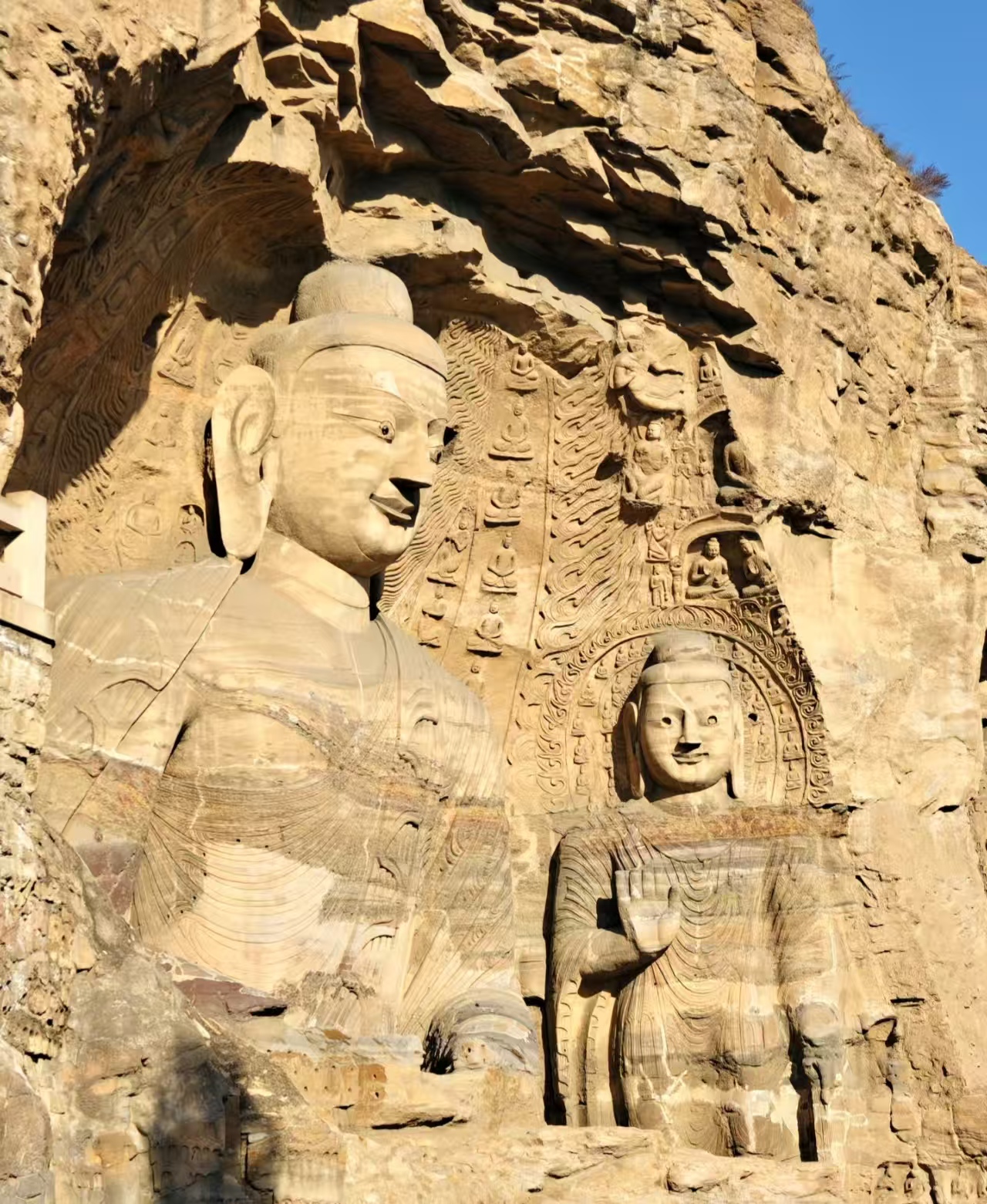
Yungang Grottoes Datong UNESCO 2001 and Northern Wei Buddhist sculpture — Shanxi ancient architecture tour Korascale.

Yungang Grottoes Datong UNESCO 2001 and Northern Wei Buddhist sculpture — Shanxi ancient architecture tour Korascale.

The Korascale Protocol: Accessing the "Black Myth" Reality

Navigating Shanxi’s vast heritage requires a strategic approach. We have designed two primary ways to experience the "Ark."

Route A: The Beijing Extension (2-Day Private Sprint)

Perfect for travelers with limited time who want to see the "Big Three."

  • Day 1: High-speed rail from Beijing to Datong (2.5 hrs). Morning at Yungang Grottoes → Afternoon at the Hanging Temple (clinging to a cliff for 1,500 years).
  • Day 2: Morning at the Yingxian Wooden Pagoda → Afternoon at Foguang Temple (the holy grail for architecture lovers). Return to Beijing by evening rail.

Route B: The Deep Architecture Immersion (5-Day Bespoke Tour)

For those who want to see the murals and the "Hidden Final Bosses" of Shanxi.

  • Includes Yongle Palace murals, the Shuanglin Temple (famed for its 2,000+ exquisite colorful sculptures), and the dramatic Xiaoxitian (The "Little Western Heaven")—a masterpiece of suspended sculptures featured heavily in the Wukong game.

The Korascale Difference: Comparative Narrative

We don’t just provide a driver; we provide a Narrative Bridge.

  • Visual Overlays: Our guides use game screenshots to provide a "Side-by-Side" comparison of the digital and physical architecture.
  • Structural Analysis: We explain the engineering logic behind the 54 types of Dougang at Yingxian, turning a "look" into a deep understanding of anti-seismic ancient tech.
  • Art History: Our mural tours are led by experts who can decode the Taoist iconography of the Yuan Dynasty, making the silent walls speak.

Shanxi is the ultimate destination for those who believe that history is not found in books, but in the grain of ancient wood.
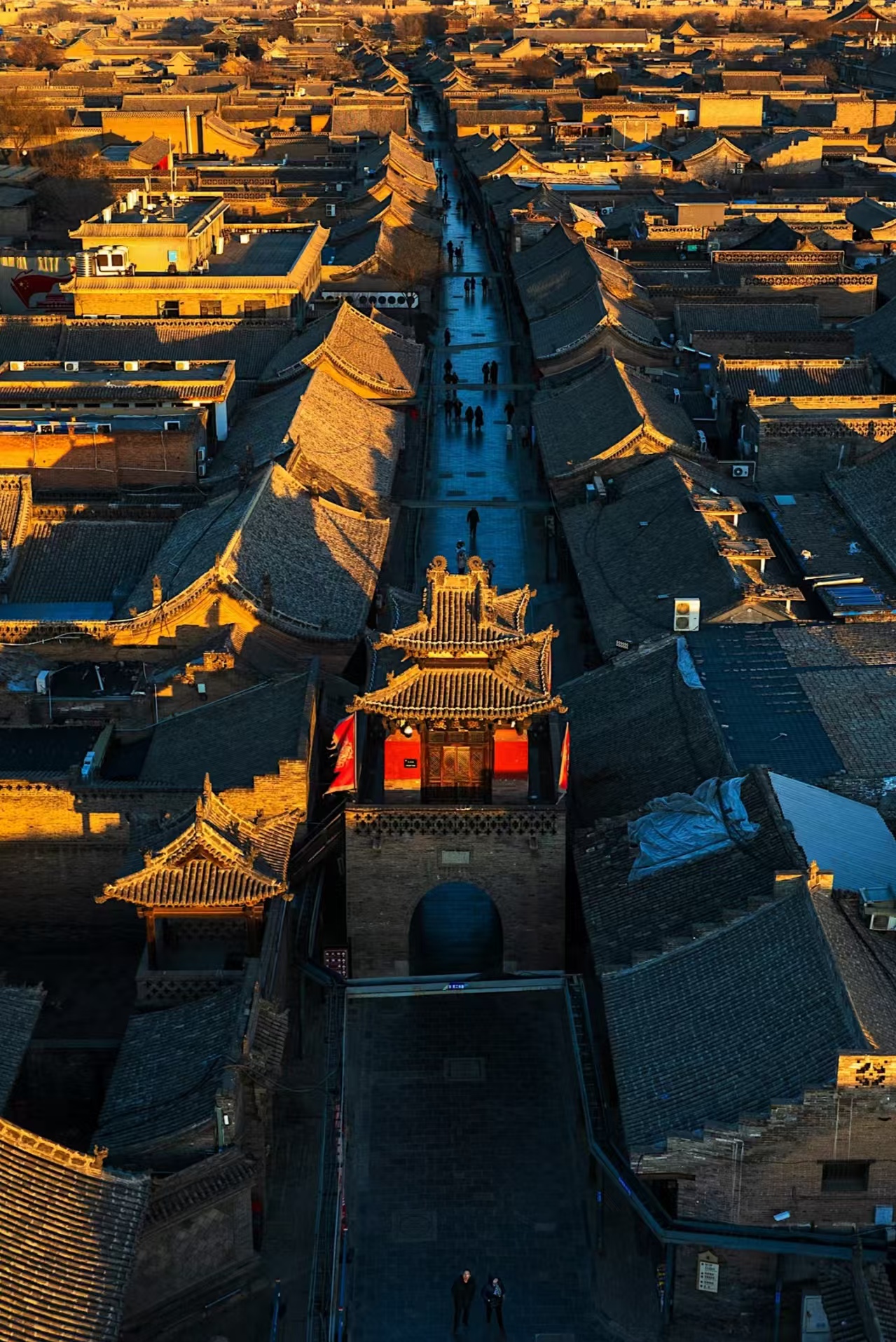
Pingyao Ancient City UNESCO 1997 and Shanxi Merchant Culture — private Shanxi itinerary from Beijing by Korascale Bespoke Travel.
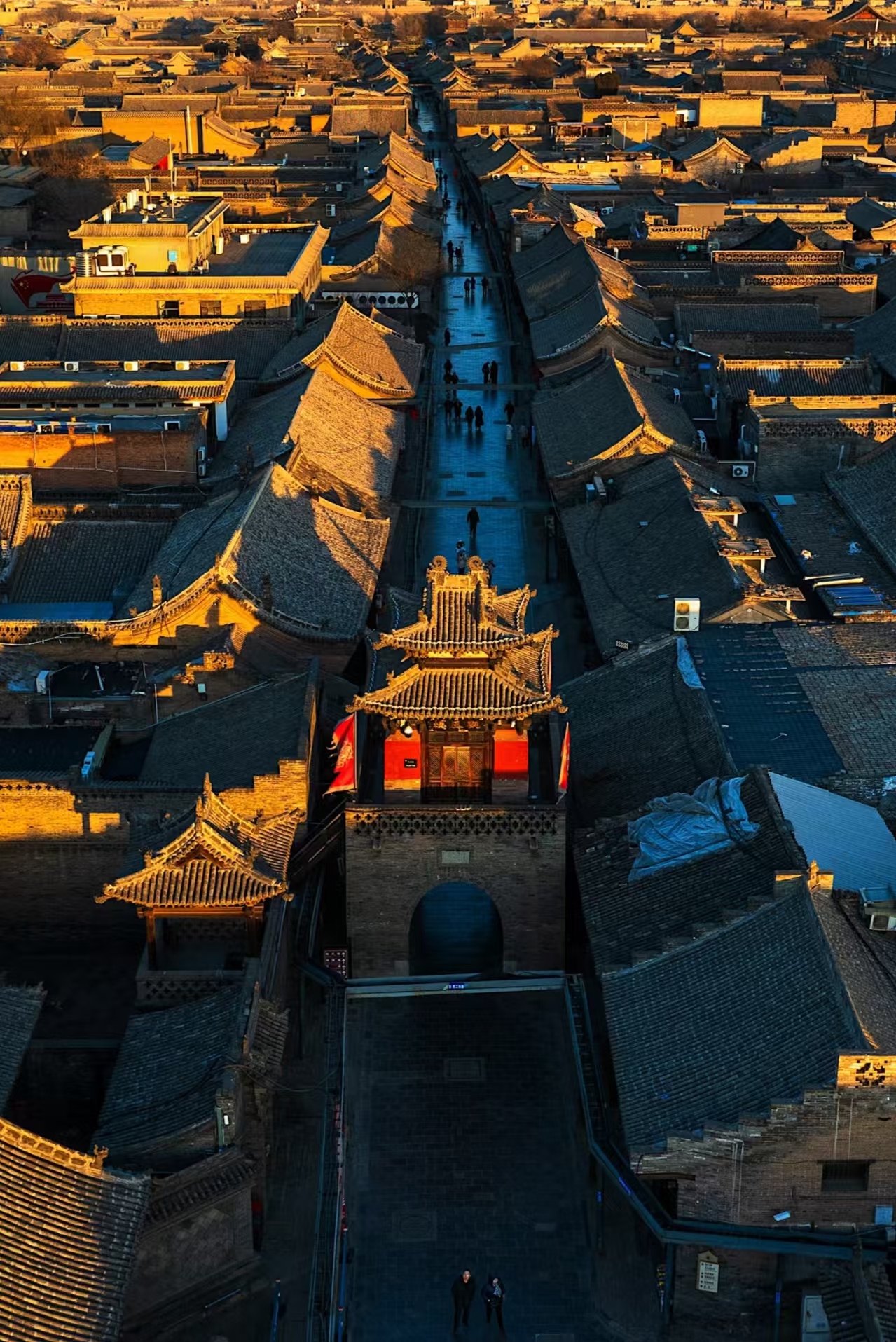
Pingyao Ancient City UNESCO 1997 and Shanxi Merchant Culture — private Shanxi itinerary from Beijing by Korascale Bespoke Travel.

Black Myth Wukong Shanxi real locations travel guide 2026Shanxi ancient architecture Tang Dynasty UNESCO travelShanxi private bespoke tour Beijing day trip itineraryShanxi ProvinceDatongTaiyuanPingyaoMount WutaiYungang GrottoesYingxian Wooden PagodaHanging Temple ShanxiYongle PalaceFoguang TempleWang Family CompoundUNESCO Pingyao 1997UNESCO Yungang Grottoes 2001UNESCO Mount Wutai 2009Tang Dynasty Wooden ArchitectureLiao Dynasty PagodaYuan Dynasty Murals ShanxiShanxi Merchant CultureBlack Myth Wukong Game ScienceSun Wukong Journey to the WestBlack Myth Wukong Shanxi 2024Shanxi Tourism Boom 2024Player to Tourist ConversionBest of Shanxi Travel GuideShanxi Itinerary from BeijingShanxi Hidden Gems ChinaAncient China Architecture TourBespoke Travel ChinaKorascale

Frequently Asked Questions

Why does Shanxi have so many ancient buildings, and why are they so well preserved?

˅
Shanxi holds approximately 28,000 ancient buildings and over 53,000 immovable cultural heritage items — roughly one-tenth of China's national total — for two overlapping reasons. First, geography: the province's position behind the Taihang Mountains and its relatively isolated terrain kept it off the main paths of both northern invasions and the accelerated modernisation that swept China's coastal provinces in the 20th century. Cities that never became industrial centres had little incentive to demolish old structures for new ones. Second, geology and climate: Shanxi's dry northern weather — low humidity, minimal typhoon exposure, and cold winters — is the optimal preservation environment for timber-frame construction, which is highly vulnerable to moisture and fungal decay in southern China. As a result, Shanxi holds all of China's surviving Tang Dynasty wooden buildings (3 to 4 structures, depending on the count), over 80% of surviving wooden architecture from the Yuan Dynasty and earlier, and the oldest fully wooden pagoda still standing anywhere in the world — the 1056 Yingxian Wooden Pagoda, which has survived multiple major earthquakes.

What did Liang Sicheng discover in Shanxi and why does it matter?

˅
In 1937, the Chinese architectural historian Liang Sicheng and his wife Lin Huiyin travelled to Mount Wutai in Shanxi and identified the East Hall of Foguang Temple as a Tang Dynasty wooden structure built in 857 AD — the first authenticated Tang wooden building found in China. The significance was enormous: Japanese architectural scholars had long maintained that no Tang Dynasty wooden buildings survived in China (they existed in Japan, but China's originals were assumed destroyed), a claim that implicitly diminished the completeness of China's architectural heritage record. Liang and Lin's discovery proved the claim wrong, establishing that China did preserve original Tang timber-frame construction and that Shanxi was where to find it. Liang Sicheng described the building's interior — with its Tang dynasty clay sculptures, murals, inscribed beams, and architecture all intact in a single structure — as a quadruple wonder, "the four Tang relics in one hall." The discovery remains one of the landmark events in the history of Asian architectural scholarship, and Foguang Temple is now considered a pilgrimage site for anyone seriously interested in Chinese architectural history.

How did Black Myth: Wukong change tourism in Shanxi, and what can international travelers actually visit?

˅
Black Myth: Wukong, released on August 20, 2024 and selling 20 million copies in its first month, features 36 real-world locations as the basis for its in-game environments, 27 of which are in Shanxi Province. The effect on tourism was immediate and dramatic: searches for "Shanxi tourism" increased by 3,178% year-on-year, and ticket revenue at the province's historical sites exceeded 160 million yuan in the two months following the game's launch. Sites like the Yungang Grottoes, Yingxian Wooden Pagoda, Hanging Temple, Chongfu Temple, Xiaoxitian, and Shuanglin Temple all saw surges of 50% to 2,000% in visitor numbers. For international travelers, the key sites featured in the game that are accessible include: the Yungang Grottoes and Hanging Temple near Datong, the Yingxian Wooden Pagoda in Shuozhou, Foguang Temple on Mount Wutai, and several temple complexes in southern Shanxi. Korascale can design itineraries that map the game's locations against their real architectural and historical context, turning a gaming reference into a genuine cultural understanding of the sites depicted.

What are the UNESCO World Heritage Sites in Shanxi and how do they compare?

˅
Shanxi has three UNESCO World Heritage Sites, each representing a different dimension of the province's historical significance. Pingyao Ancient City (1997) is a remarkably intact Ming and Qing dynasty county town — more than 3,700 historic buildings within a 6.4-kilometre city wall — recognised for its exceptional preservation of a complete urban environment including China's earliest modern bank, Rishengchang Draft Bank, founded in 1823. Yungang Grottoes in Datong (2001) is a 5th-century Northern Wei imperial Buddhist cave complex with 45 major caves, 209 smaller chambers, and approximately 59,000 statues, representing the earliest large-scale Buddhist cave art in China and the fusion of Central Asian artistic traditions with emerging Chinese style. Mount Wutai (2009), inscribed as a cultural landscape, is China's most sacred Buddhist mountain — home to 53 temples spanning the Tang to modern periods, including the two oldest surviving wooden structures in China. All three are very different in character and warrant separate visits rather than a rushed single-day circuit.

Is Shanxi worth visiting as a standalone trip from Beijing, and how much time does it need?

˅
Shanxi is absolutely worth a standalone itinerary, and the Beijing connection is very practical — Datong is approximately 2.5 hours by high-speed rail, and Taiyuan (the provincial capital, near Pingyao) is around 3 hours. For a meaningful visit that covers the architectural range of the province, five days is the minimum: one day each for Datong (Yungang Grottoes and Hanging Temple), the Yingxian Wooden Pagoda, Mount Wutai (two nights are ideal), and Pingyao. Adding southern Shanxi — specifically Yongle Palace in Ruicheng County, whose 960 square metres of Yuan Dynasty murals are among the least-known great art sites in Asia — requires a sixth or seventh day. Korascale offers both a Beijing-based two-day Shanxi extension (Datong and Yingxian) and a full five-to-seven day private Shanxi circuit. For travelers who have already been to Beijing and Xi'an and want the third level of Chinese cultural depth, Shanxi is consistently the recommendation — it holds what those two cities point toward but can no longer show you in its original form.