
Stand on the western bank of the Huangpu River. To your left is the HSBC Building (1923), a Neo-Classical giant once called "the most luxurious structure between the Suez Canal and the Bering Strait." To your right, less than 100 meters away, towers the Shanghai Tower, which at 590 meters was the second-tallest building in the world upon completion.

In any other city, a juxtaposition of a century would require a two-hour drive. In Shanghai, it requires a turn of the head.

Shanghai is not the "Real China"—it is an extreme, hyper-accelerated version of it. It is the result of 180 years of external friction and internal ambition. For the discerning traveler, this complexity makes it the perfect entry point: a composite gateway that offers a stable, internationalized starting line before the "raw" China begins to reveal itself.
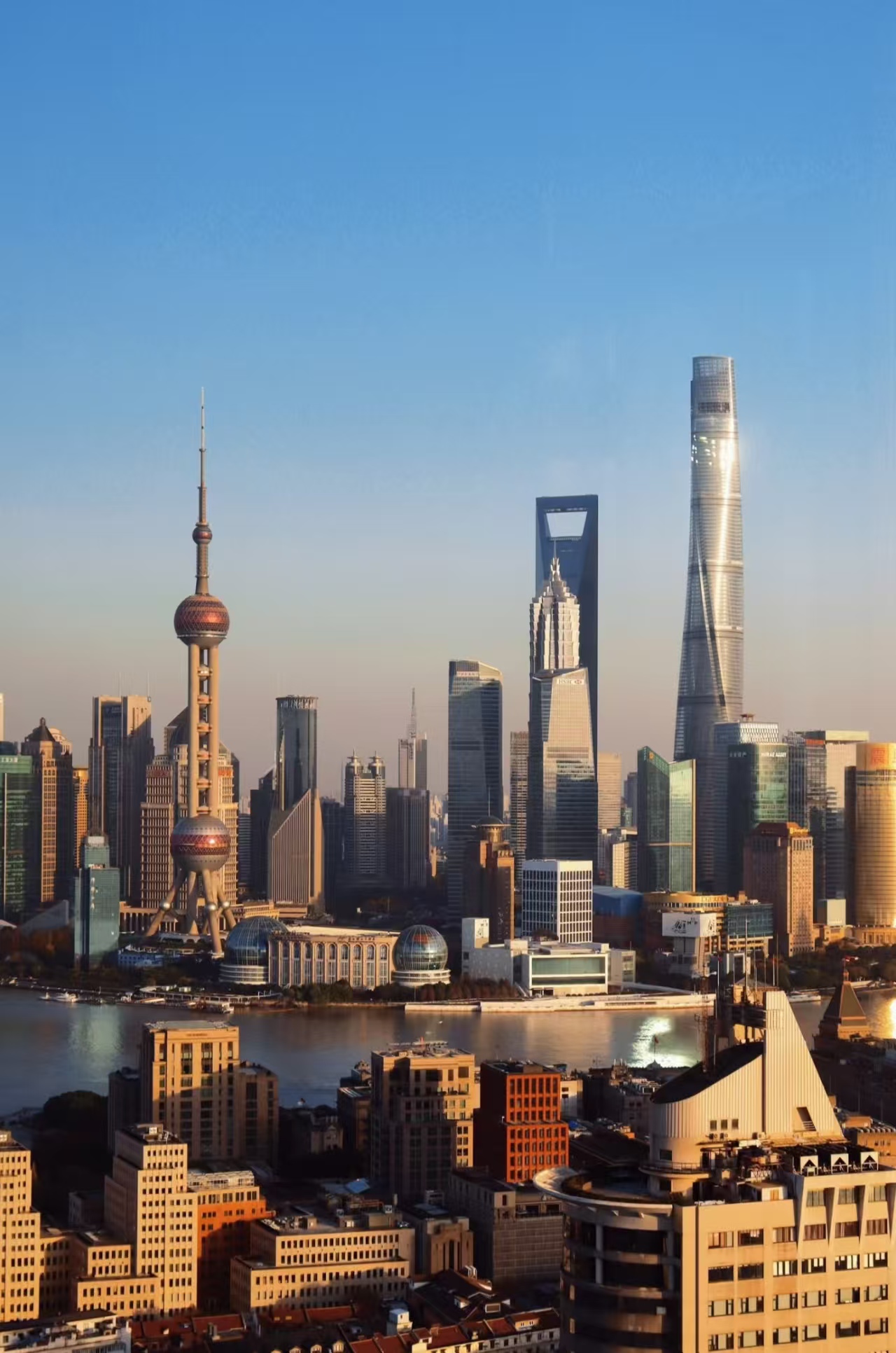
Why Shanghai Is the Perfect First Stop in China | The Bund Shanghai Art Deco, Pudong Skyline - Korascale Bespoke Travel

Why Shanghai Is the Perfect First Stop in China | The Bund Shanghai Art Deco, Pudong Skyline - Korascale Bespoke Travel

The Gateway Paradox: Three Irreplaceable Strengths

Why does Korascale often recommend Shanghai as your "First City"? Because of its unique ability to buffer the culture shock while compressing history into a walkable mile.

1. The Cultural Buffer: Asia’s Gentlest Landing

Shanghai’s international infrastructure—English metro signage, world-class medical facilities, and a 150-year-old service DNA—is not a tourist gimmick. It is a historical legacy of the Shanghai International Settlement. For a first-time visitor to Asia, this layer allows you to adapt to the rhythm of China without the immediate weight of a total language barrier.

2. Spatio-Temporal Compression: The Bund (1.5 km of World History)

The 52 buildings of the Bund are a physical encyclopedia of European architectural evolution.

  • The Styles: From the Greek Revival of the Customs House (featuring a clock tower modeled after Big Ben) to the Art Deco masterpiece of the Peace Hotel (1929).
  • The Narrative: Every facade tells a story of which empire, which bank, and which year poured its capital into this swampy riverbank. Our specialist guides don't just "show" you the buildings; they decode the chronological shift from British colonial styles to the 1940s skyscraper craze.

3. The High-Definition Timeline of Modernity

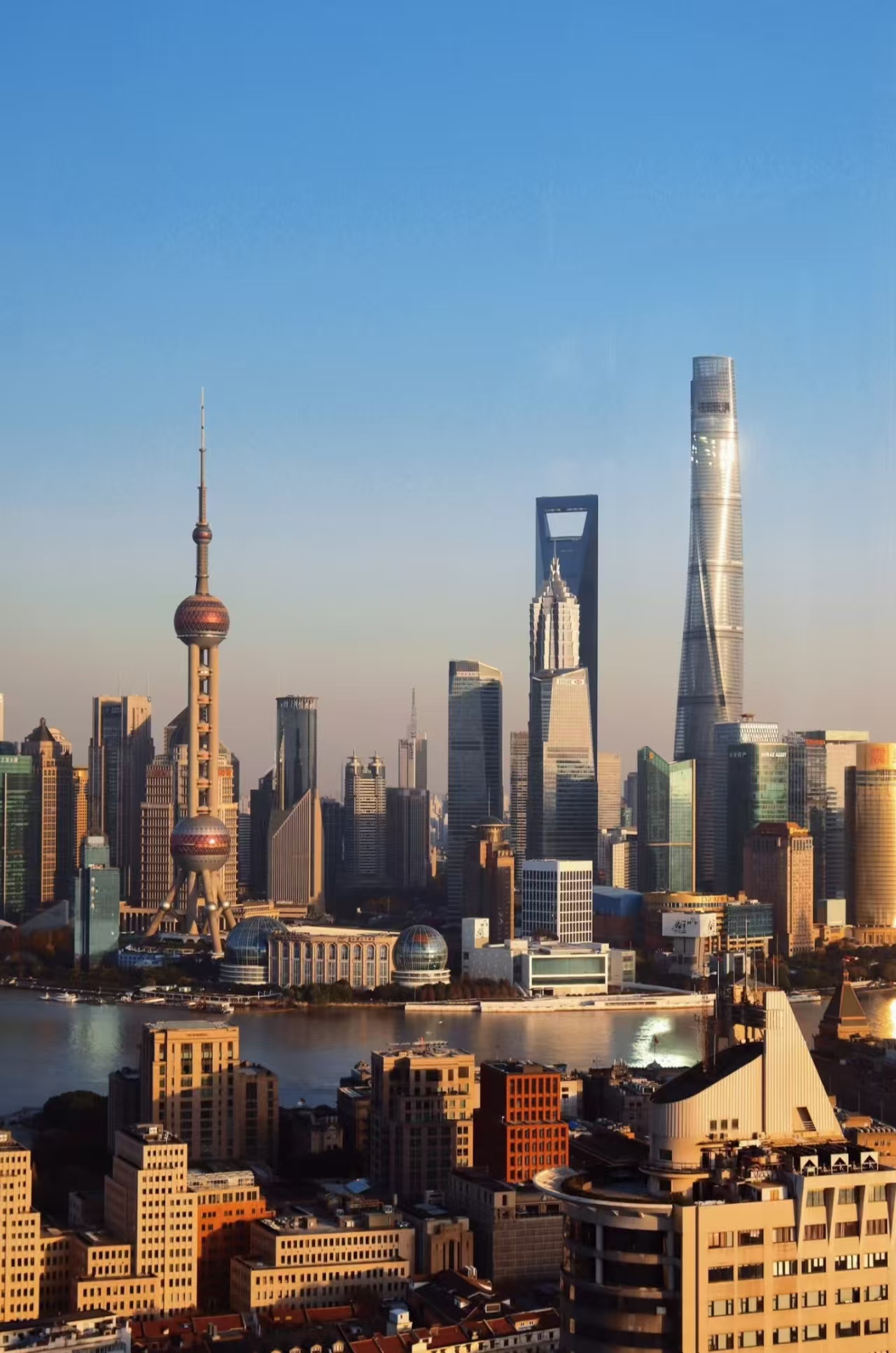
Look across to Pudong. The three towers—Jin Mao (1998, a modern pagoda), World Financial Center (2008, the "bottle opener"), and Shanghai Tower (2015, the spiral)—represent a 30-year axis of China’s economic flight. No other city tells the story of China's transformation with such visual clarity and density.
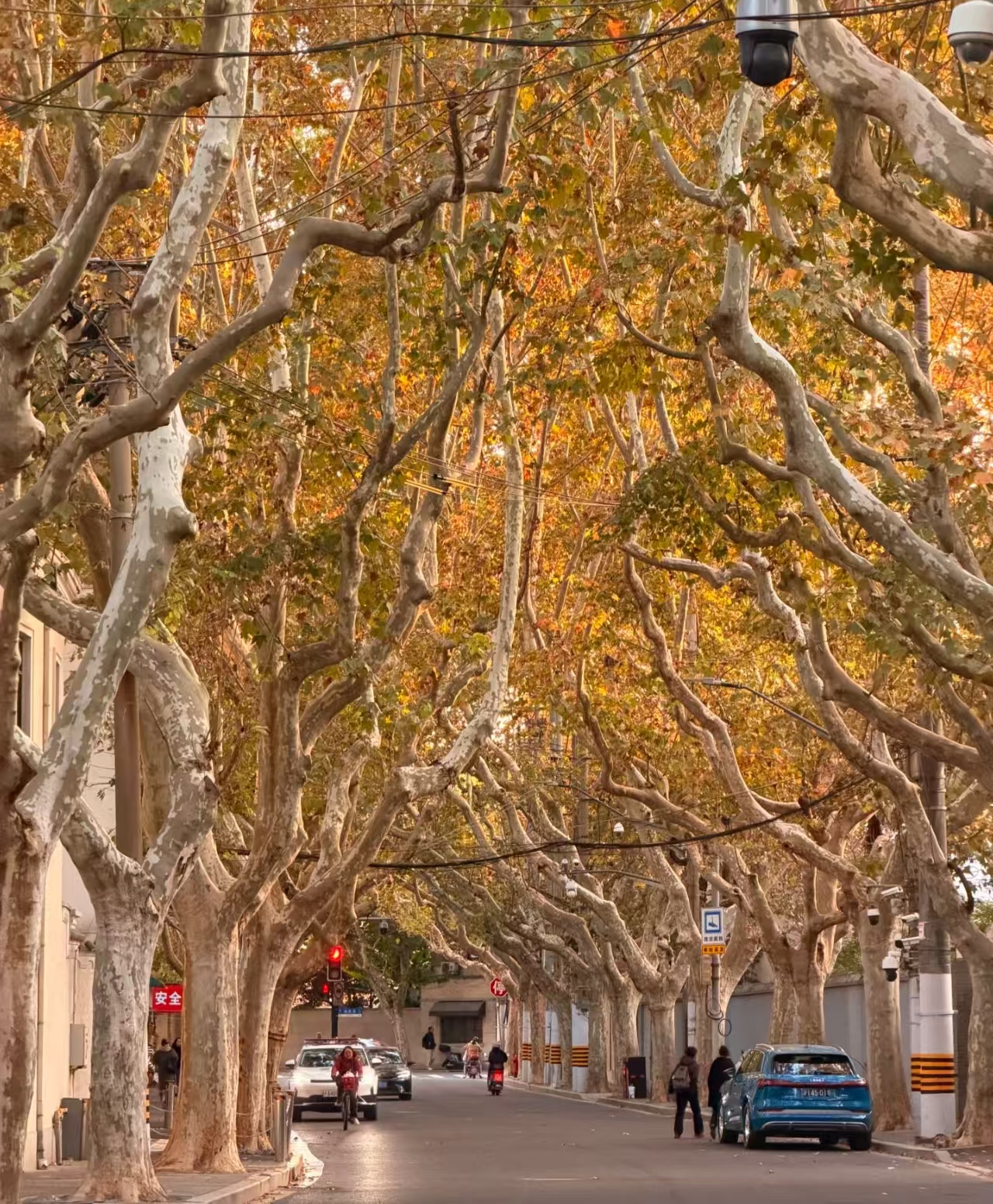
French Concession Shanghai Art Deco and Wukang Road Shanghai — Shanghai Treaty Port History private tour by Korascale.

French Concession Shanghai Art Deco and Wukang Road Shanghai — Shanghai Treaty Port History private tour by Korascale.

The Honest Limitation: Why Shanghai Might Mislead You

This is where we differ from standard guidebooks: Shanghai can be a trap for your perspective. Its westernized efficiency may lead you to view the slower pace of Chengdu or the grit of Xi'an as "backwardness." This is a fundamental misjudgment. Shanghai is an outlier. If your itinerary only includes Beijing and Shanghai, you will leave with an incomplete understanding of the Chinese soul.

This is why Korascale insists that if Shanghai is your Chapter One, Chapter Two must be a sensory opposite—like the "Slow Life" of Chengdu or the "Imperial Weight" of Xi'an.
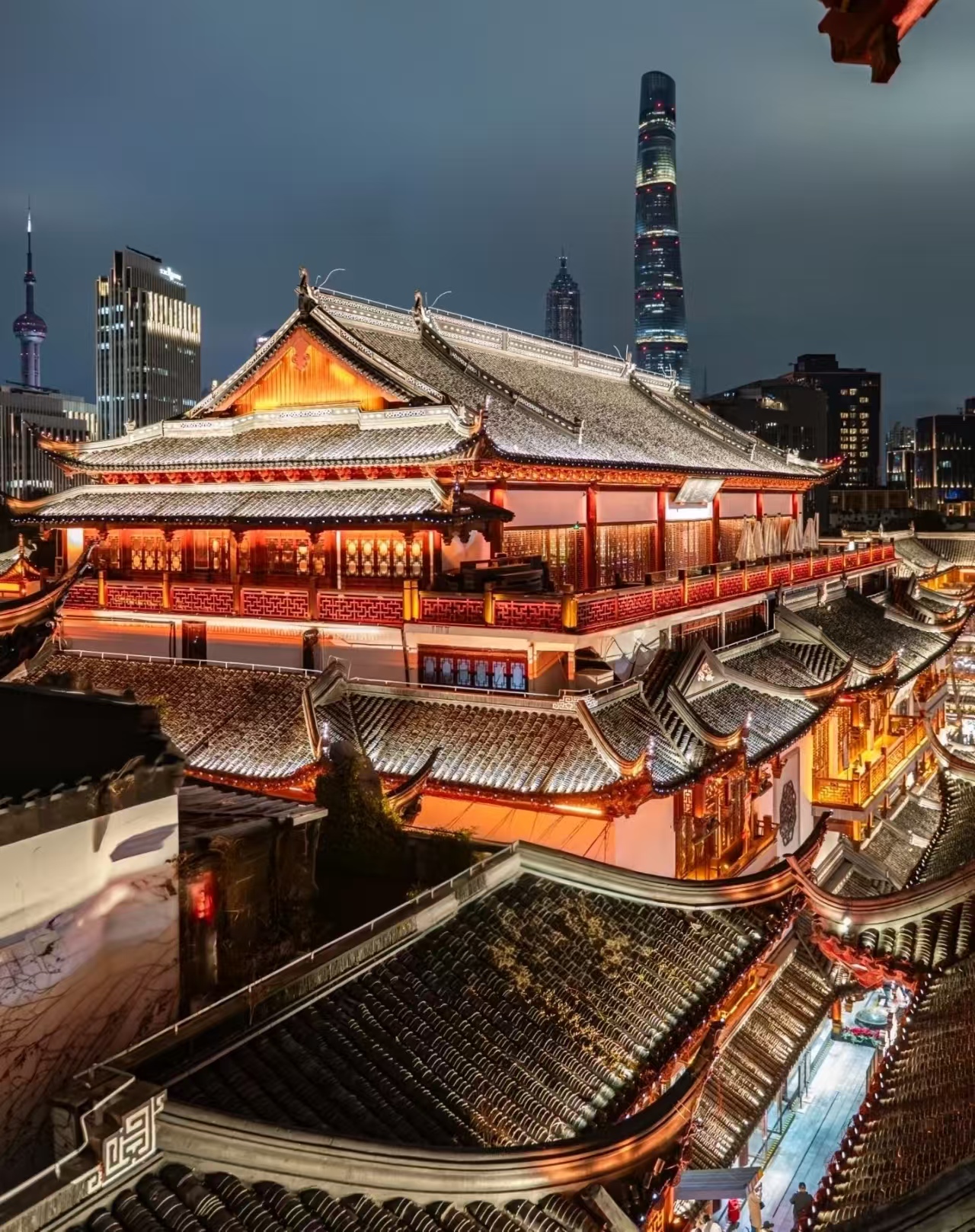
Yu Garden Shanghai and Shanghai Global Finance Center — Shanghai First Time Visitor Guide Korascale Bespoke Travel.

Yu Garden Shanghai and Shanghai Global Finance Center — Shanghai First Time Visitor Guide Korascale Bespoke Travel.

The Korascale Protocol: The 3-Day Strategic Narrative

Most travelers head to the Bund on Day 1. This is a mistake. To understand the city, you must start with the human scale and end with the architectural crescendo.

Day 1: The Human Scale (Former French Concession)

We start in the leafy, plane-tree-lined streets of the Former French Concession.

  • The Walk: Wukang Road and Anfu Road. This is where you see the Shikumen (stone-gate houses) and Art Deco apartments like the Wukang Mansion.
  • The Goal: To feel Shanghai as a livable neighborhood rather than a collection of monuments. We finish with a walk along the Suzhou Creek, seeing the industrial warehouses converted into art lofts.

Day 2: The Historical Depth (Yu Garden & Old Town)

  • The Contrast: The Ming-era Yu Garden (1577) is the last remnant of "Shanghai before Shanghai." Comparing its intricate lattice-work to the stone giants of the Bund is essential for understanding the city's pre-treaty roots.
  • The Afternoon: The Shanghai Museum, home to China’s finest bronze and ceramics collections.
  • The Evening: Xintiandi, to see how historical Shikumen structures were transformed into the modern face of urban consumption.

Day 3: The Visual Climax (The Bund & Pudong)

  • The Morning (07:00–09:00): We visit the Bund at dawn when the light is crisp and the crowds are thin. This is the only time the facade details of the HSBC and Customs House are truly visible.
  • The Korascale Selection: We focus on 10 specific buildings that tell the complete story of architectural evolution, rather than an exhausting walk of all 52.
  • The Reverse Perspective: Cross the river by ferry to Pudong at sunset to look back at the Bund. Seeing the 19th-century skyline framed by 21st-century glass is the final step in closing the narrative loop.

Shanghai is the easiest city to start in, but it is not the easiest to read. Its value lies in providing a stable baseline from which the rest of China can begin to show you just how atypical Shanghai really is. That, in our view, is the only way a great journey should begin.
why visit Shanghai first China trip beginner guideShanghai Bund architecture history guide what to knowShanghai private bespoke tour first time China itineraryShanghaiThe Bund ShanghaiHuangpu RiverPudong SkylineFrench Concession ShanghaiXintiandi ShanghaiYu Garden ShanghaiLujiazui ShanghaiSuzhou CreekWest Bund ShanghaiShanghai International SettlementShanghai French Concession HistoryArt Deco ShanghaiBund Architecture StylesShikumen ArchitectureShanghai Treaty Port HistoryShanghai TowerShanghai Global Finance CenterWorld's Longest Metro SystemShanghai Alpha Global CityBund Night View ShanghaiShanghai Food SceneShanghai Contemporary Art M50Wukang Road ShanghaiShanghai Jazz Bar SceneShanghai First Time Visitor GuideShanghai vs Beijing First CityShanghai 3 Days ItineraryBest Area to Stay ShanghaiShanghai Entry Port ChinaBespoke Travel ChinaKorascale

Frequently Asked Questions

Why is Shanghai considered a good first city to visit in China for international travelers?

˅
Shanghai works particularly well as a first Chinese city for travelers who are visiting China — or Asia — for the first time, for several specific reasons. Its infrastructure has been shaped by 180 years of hosting international visitors: English signage on the metro system is comprehensive, the service industry is accustomed to foreign guests, and the range of international dining, accommodation, and medical options is the broadest of any Chinese city. This reduces the practical friction of the first 48 hours significantly. Its architecture also gives first-time visitors a comprehensible visual narrative of why China matters globally: the Bund's 52 buildings, spanning seven architectural styles from the 1860s to the 1940s, tell the story of which foreign powers considered Shanghai important enough to build their most impressive buildings there, while the Pudong skyline across the Huangpu River tells the story of China's own ambition in the three decades since 1992. Standing at the waterfront and looking in both directions, a first-time visitor can see a hundred years of history in a single visual field. That clarity of narrative is a useful starting point for understanding the rest of China. That said, Shanghai is an atypical Chinese city — its Western influence and international character should not be mistaken for representing what most of China feels like. Korascale recommends it as a first stop for specific traveler profiles, and always pairs it with at least one city that provides a contrasting character.

What is the history behind the Bund's architecture, and why are there so many different styles?

˅
The Bund's architectural diversity is a direct record of which foreign powers were doing business in Shanghai between the 1860s and the 1940s. Following the Treaty of Nanking in 1842, Shanghai was designated a treaty port, and the British, American, and French governments established concession territories along the Huangpu River bank — the British and American settlements merging into the Shanghai International Settlement in 1863, with the French Concession remaining separate until 1943. Each institution that built on the Bund brought its home country's architectural preferences: the HSBC building of 1923 is neoclassical, described at completion as the most luxurious building between the Suez Canal and the Bering Strait; the Peace Hotel's north building (Sassoon House, 1929) is Art Deco; the Customs House has a Greek Revival exterior with a clock tower modelled on Big Ben; the China Bank building (1937) is the only one to incorporate Chinese architectural elements — tiled rooflines over a Western structure. The result is 52 buildings in seven architectural styles along a 1.5-kilometre waterfront, making the Bund one of the most architecturally diverse short stretches of urban waterfront anywhere in the world. Shanghai also holds one of the richest collections of Art Deco architecture globally, much of it concentrated in the former French Concession.

What is the difference between the French Concession and the Bund area in Shanghai?

˅
The Bund and the French Concession represent two very different historical identities within Shanghai, and experiencing both is essential to understanding the city. The Bund was the commercial and financial heart of the Shanghai International Settlement — dominated by British and American business interests, its buildings were banks, trading houses, and consulates, designed to project power and stability. It is grand, formal, and waterfront-facing. The French Concession, established separately in 1849 and covering the central and southern parts of what is now Xuhui and Huangpu districts, developed instead as a residential area. Its tree-lined boulevards (with plane trees that still stand today on many streets), Art Deco apartment buildings, shikumen lane houses, and later French cafés and boutiques created a very different atmosphere — more intimate, more liveable, and in some ways more interesting for walking. Today, the former French Concession contains some of Shanghai's most photographed streets (Wukang Road and its Normandie Apartments, which became a social media landmark), its best independent restaurants, and its most active cultural scene. Visiting both the Bund and the French Concession gives a much more complete picture of what the concession era actually created than either one alone.

How many days do you need in Shanghai, and what should you prioritise on a first visit?

˅
Three full days gives a meaningful first experience of Shanghai; four allows for the surrounding Yangtze Delta cities (Suzhou or Hangzhou) as day extensions. The most common mistake on a first visit is spending too much time on the Bund itself and too little time in the areas that reveal Shanghai's residential character. Korascale's recommended sequence for three days: start with the French Concession for the first full day (Wukang Road, the Art Deco apartment buildings, the lane neighbourhoods, the independent cafés) — this establishes the human-scale, liveable side of the city before the monumental version. The second day combines Yu Garden (dating to 1577, the last intact piece of pre-treaty-port Shanghai) and the Shanghai Museum (one of China's finest collections of bronzes, ceramics, and calligraphy) with an evening in Xintiandi to see how Shanghai has absorbed its shikumen heritage into contemporary consumer culture. The third day is for the Bund — but done properly, with an architectural guide who can decode the specific story of each building, followed by crossing to Pudong to view the skyline from the east, which reveals the spatial relationship between old and new Shanghai in a way that the Bund-side view cannot. The Bund is best seen twice: early morning for building detail and photography, and at dusk for the illuminated skyline opposite.

What does Korascale offer for Shanghai that makes it different from a standard first-visit tour?

˅
Three things that change what a first Shanghai visit produces. First, we start with the French Concession rather than the Bund — not because the Bund is less important, but because encountering the city at human scale and residential character first means that when the Bund arrives, it lands as a dramatic contrast rather than an overwhelming opening. The psychological sequence matters. Second, our Bund architectural guide focuses on a selected ten buildings rather than attempting to walk all 52, choosing each specifically to demonstrate a stage in the architectural style evolution from 1860s colonial to 1940s Art Deco — this transforms a walk past buildings into a readable argument about why each decade brought a different aesthetic vocabulary. Third, we incorporate Yu Garden and the old city wall area specifically to frame what Shanghai looked like before 1842, which is the only way to fully understand why the treaty port era changed it so completely. Shanghai as a destination is widely covered; Shanghai as a structured narrative is not. Contact Korascale to begin designing your first China itinerary with Shanghai as the entry point.