
You’ve seen the brochure. It’s titled "Experience the Real China." The itinerary is a carefully curated checklist: a sunrise visit to a wet market, a rickshaw ride through a Beijing hutong, a private tea ceremony, and a "home-cooked" dinner with a local family.

It feels right. It looks like the photos. But deep down, you know: this is a performance.

In travel marketing, "Authenticity" has become a hollow buzzword. It usually functions as a code for "fewer tourists," "shabbier facades," or "a remote location that makes for a great Instagram shot without other Westerners in the frame." None of these things are inherently authentic. They are simply the aesthetic of authenticity.

At Korascale, we call this "Staged Authenticity" (a term coined by sociologist Dean MacCannell). It’s the art of turning the symbols of real life—the tea, the market, the alley—into a consumable spectacle. You are observing the life, but you aren't entering its logic.

The Three Layers of the Real

To move beyond the stage, we must understand that authenticity isn't a destination; it’s a depth. We design our journeys across three distinct layers:

Layer 1: Contact with the Physical Object

This is the easiest to achieve. Standing at the Yuzui (Fish Mouth) levee in Dujiangyan, you are touching stones laid down in 256 BC. Most tours stop here. You take the photo, check the box, and leave. You have touched the "Real," but you haven't felt its weight.

Layer 2: Understanding the System

The "Real" China isn't just a wall or a temple; it’s a System of Logic.

  • Why did Li Bing choose not to build a dam at Dujiangyan?
  • Why does that decision still protect the Chengdu Plain 2,280 years later?
  • Why is the Rishengchang Exchange in Pingyao (founded in 1823) the spiritual twin of the Bank of England? To reach this layer, you don’t need a translator of language; you need a Translator of Culture who can explain what the people who built these things believed, feared, and valued.
  • Related: [Decoding the Engineering Logic of Dujiangyan & Leshan].

Layer 3: Synchronizing with Living Culture

This is the hardest to replicate. It’s not "visiting a teahouse"—it’s becoming a participant in a functional social space. It’s sitting in a Chengdu Teahouse for two hours, ordering the jasmine tea, and simply existing within the rhythm of the room. This layer cannot be "arranged" or "bought"; it can only be invited through the right timing and the right mindset.

The Paradox: Quantity vs. Depth

There is a fundamental conflict in travel planning: The more "sights" you pack in, the less "reality" you experience. A traveler who squeezes the Forbidden City, the Great Wall, and the Temple of Heaven into a single 12-hour sprint has achieved a high density of Layer 1 (Physical Objects), but has zero bandwidth for Layer 2 (Systems) or Layer 3 (Living Culture).

  • Conversely, a traveler who spends two nights inside the walls of Pingyao, having a long breakfast with a courtyard owner or wandering the Foguang Temple in Shanxi for half a day, may "see" fewer landmarks, but they have touched all three layers of the Chinese soul.

The Korascale Answer: Authenticity as Design Philosophy

We don't guarantee "authenticity"—no honest operator can. But we design the conditions for it to happen through three core principles:

  1. Time Over Volume: We intentionally design slower itineraries. Each city deserves at least two nights; each site deserves at least two hours. This isn't inefficiency; it’s a choice to allow the "Real" to breathe.
  2. Narrators, Not Lecturers: Our guides in Shanxi or Beijing don't just recite dates. They teach you to read the physical logic of a Dougang bracket or the social hierarchy of a Hutong gate. They provide the tools for you to decode what you see.
  3. Strategic White Space: The biggest mistake in bespoke travel is over-protection. If you are always in a controlled environment, you are behind a glass wall. We build "White Space" into our itineraries—an hour to walk the hutongs alone at dawn, or a quiet afternoon in a park. These are the moments where Layer 3 is most likely to reveal itself.
  • Authenticity isn't a product we sell; it’s a ghost in the machine. Our job is to put you in the right place, at the right time, with the right understanding—and then step back. The "Real China" has been there for 4,000 years. It doesn't need us to perform for you; it just needs you to be present enough to notice it.
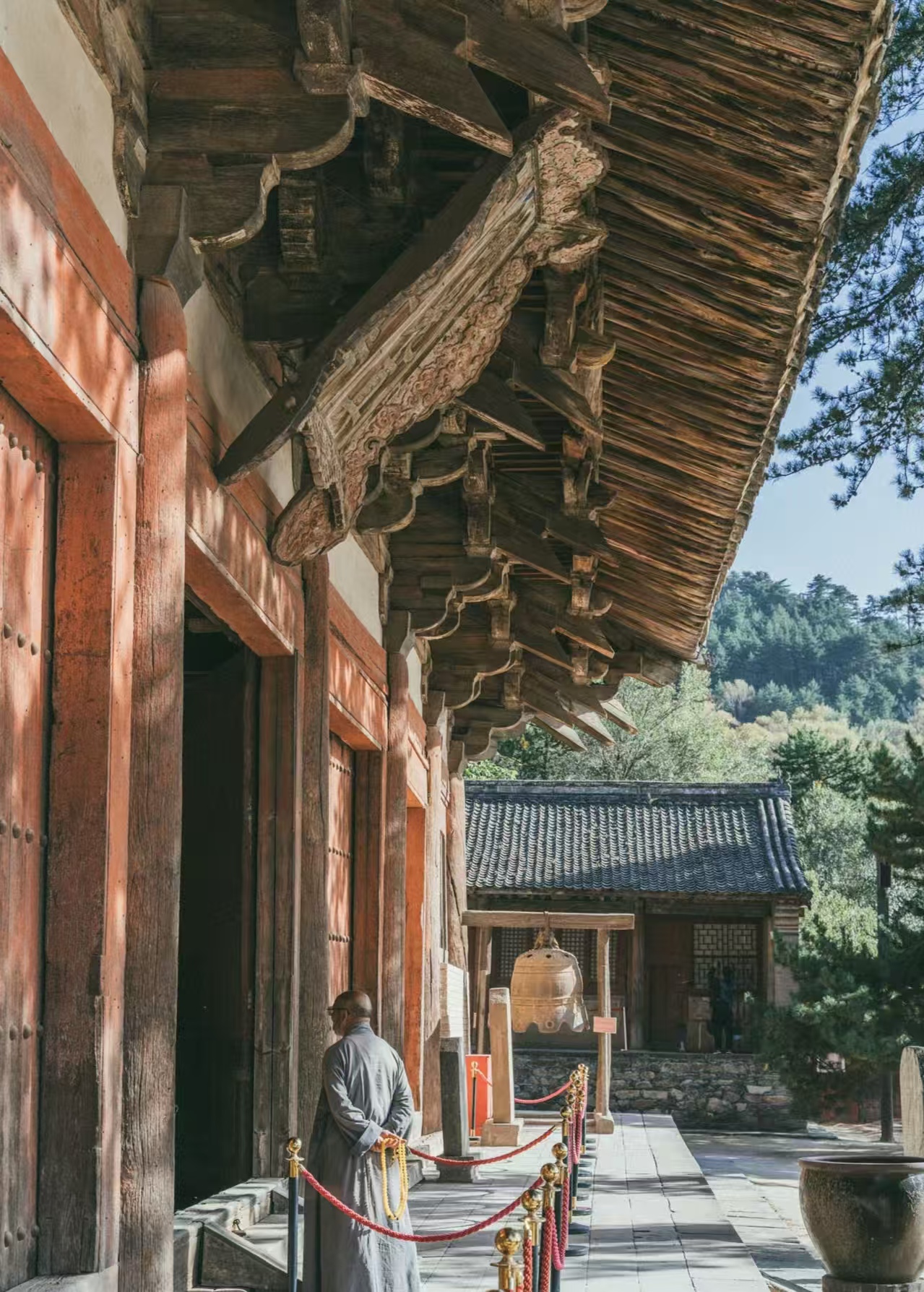
Foguang Temple Shanxi and Dujiangyan Engineering — deep travel China meaningful experience Korascale Bespoke Travel.
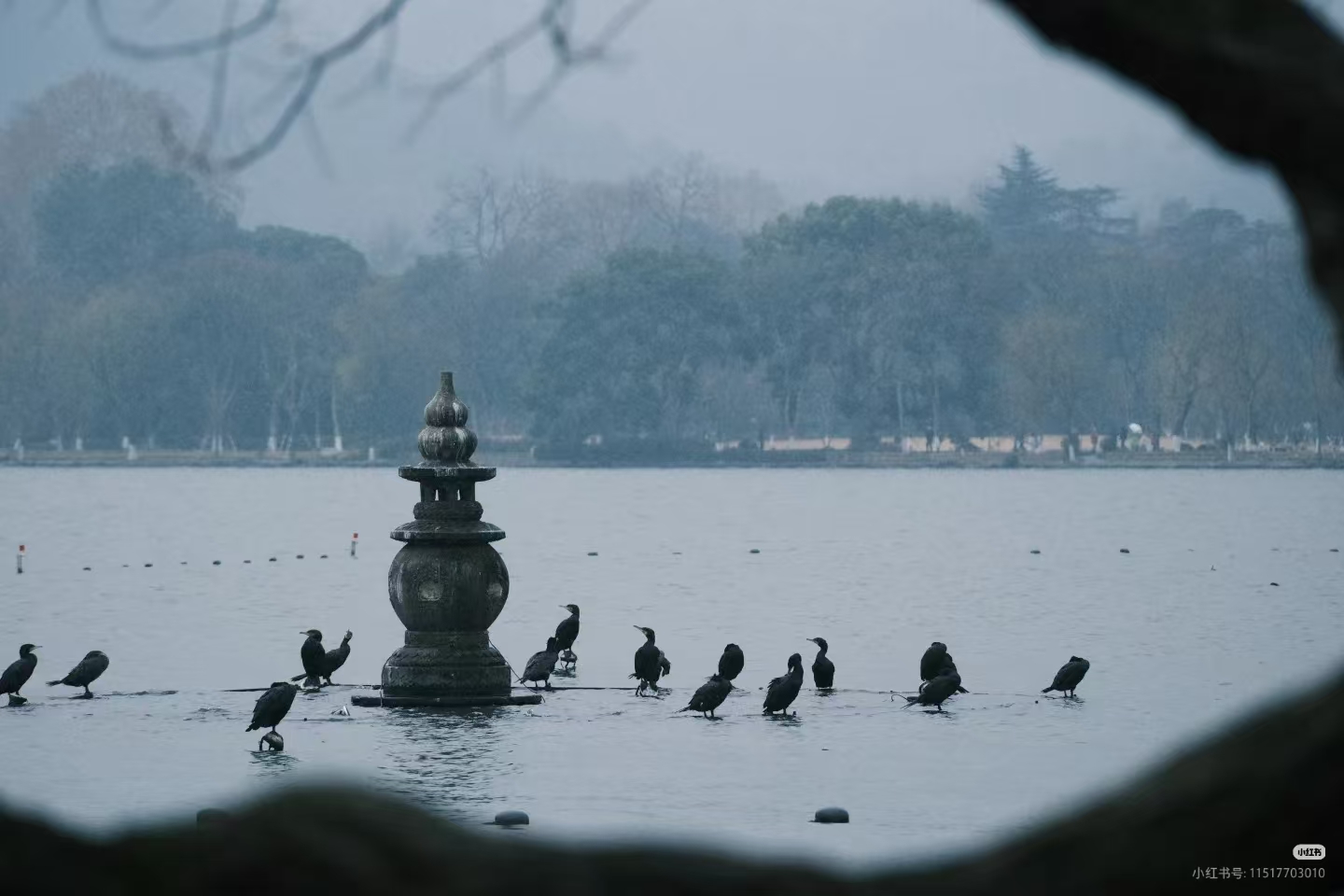
Foguang Temple Shanxi and Dujiangyan Engineering — deep travel China meaningful experience Korascale Bespoke Travel.

authentic China travel experience what does it meanhow to avoid tourist traps China real experience 2026China bespoke private tour authentic cultural immersionAuthentic China TravelCultural Immersion ChinaOff the Beaten Path ChinaReal China ExperienceChina Travel PhilosophySlow Travel ChinaDeep Travel ChinaChina Tourist TrapsChina Group Tour vs PrivateStaged Authenticity ChinaPerformative vs Real CulturePeople's Park ChengduHutong Beijing MorningFoguang Temple ShanxiDujiangyan EngineeringPingyao Living CityChina Independent Travel TipsBest China Private Tour CompanyChina Luxury Cultural TourChina Beyond Beijing ShanghaiMeaningful China TravelBespoke Travel ChinaKorascale

Frequently Asked Questions

What does "authentic China travel" actually mean, and is it possible to achieve it as a foreign visitor?

˅
Authentic China travel is possible, but it requires redefining what you mean by the word. Most travelers use "authentic" as a synonym for "without other tourists" or "off the beaten path" — but these are conditions, not definitions. A more useful framework has three layers. The first is contact with genuine objects — standing in front of something that actually existed in the period it claims to represent, not a reconstruction. The second is understanding the system behind the object — knowing why something was built, what problem it solved, and what it tells you about the people who made it. The third, and rarest, is contact with living culture — spending time in spaces where Chinese life is actually happening, not being performed for visitors. Most travel experiences deliver the first layer reliably, the second layer with a good guide or significant preparation, and the third layer almost by accident, when the schedule allows for enough unstructured time in the right place. Korascale designs itineraries specifically to create conditions for all three layers — not just the most visually impressive one.

How do I avoid tourist traps in China and find experiences that feel genuine?

˅
The most useful reframe is to stop thinking about tourist traps as locations and start thinking about them as modes of engagement. Nanluoguxiang in Beijing is considered a tourist trap — but its side alleys at 7 AM, before the souvenir shops open, are as genuine as any lane in China. The Forbidden City sees 80,000 visitors a day and is still one of the most authentic historical experiences in Asia, if you understand what you're reading. The trap is not the place — it is the pace, the packaging, and the absence of interpretation. Concretely: arrive early (crowds thin dramatically before 9 AM at almost every major site), prioritise time with a guide who explains rather than narrates, and build at least one unscheduled half-day into every two days of itinerary. The most reliably non-performative experiences in China tend to be the ones that require the most specific knowledge to appreciate — a Tang Dynasty wooden building in Shanxi, an early morning teahouse in Chengdu, a conversation with a Pingyao courtyard resident — rather than the most remote ones.

Is a private tour more "authentic" than an independent trip in China?

˅
Not automatically — but a well-designed private tour removes specific barriers that make authentic engagement harder. The most significant barrier for most international travelers in China is interpretive: without understanding the historical, philosophical, or architectural logic behind what they're seeing, most experiences remain at the level of visual impressions. A guide who can decode why a Tang Dynasty beam is proportioned the way it is, or why a Confucian courtyard is oriented toward the south, converts sightseeing into reading. The second barrier is access: certain experiences — early-morning entry before crowds, private courtyard visits, Pixian Douban factory access in Chengdu — require relationships, advance coordination, and Chinese-language capability that most independent travelers cannot easily arrange. The third barrier is pace: independent travel in China often ends up over-scheduled in reaction to the anxiety of navigating an unfamiliar system, which is exactly the opposite of the slow, open-ended engagement that authentic contact requires. A private tour solves these three specific barriers. It does not, by itself, guarantee authentic experience — that still requires curiosity, patience, and a willingness to be genuinely surprised.

What parts of China offer the most genuinely authentic travel experiences in 2026?

˅
The honest answer is that authenticity is available in most of China — the question is whether you have the tools to access it. That said, certain places structurally offer deeper access to multiple layers of genuine experience. Shanxi Province holds the densest concentration of ancient wooden architecture in the world and receives the fewest international visitors relative to its significance, meaning encounters there are rarely mediated by tourism infrastructure. The Chengdu teahouse system is a daily social institution that operates entirely independently of tourism — it is not maintained for visitors, which means visitors who enter it are entering something real. The hutongs of Beijing's Dongcheng district, particularly before 9 AM, are still lived-in residential environments, not heritage museum pieces. And the engineering sites — Dujiangyan, the Yingxian Wooden Pagoda — are authentic in the deepest sense: they still perform their original function or demonstrate their original structural logic, and understanding that function is the difference between a photograph and a revelation. Korascale's itineraries across all these places are built around this access logic rather than a checklist of sights.

How does Korascale define authentic travel, and how does that philosophy shape its itineraries?

˅
Korascale's working definition of authentic travel is: an experience in which the traveler genuinely understands something they did not understand before arriving, and in which that understanding came from contact with the real thing rather than a representation of it. This sounds simple but it has concrete implications for how we design trips. It means we prioritise depth over coverage — two nights in Pingyao yields more genuine understanding than one night each in four cities. It means we select guides specifically for their ability to explain systems and contexts, not just narrate facts. It means we build unscheduled time into every itinerary, because the third layer of authentic experience — contact with living culture — almost never happens on a timetable. And it means we are honest with clients about what travel can and cannot deliver: we can put you in the right place at the right time with the right tools. We cannot manufacture the moment of genuine connection. What we can do is make sure the conditions for it exist. If you are looking for that kind of travel in China, we would like to hear what you're searching for and help you design the itinerary most likely to find it.