

Ask any traveler who has crossed from the neon skyline of Shanghai to the monastic silence of Lhasa, and they will tell you the same thing: it feels like changing continents. The cultural, linguistic, and sensory gap between the Sichuan Basin and the North China Plain is wider than the gap between London and Athens.
The most fundamental mistake in travel planning is treating "China" as a singular destination. China is a collection of distinct civilizations, each forged over millennia by radical geographic constraints. To understand China, you must first master its five fault lines: North vs. South, Inland vs. Coast, Plateaus vs. Plains.
Take the Qinling-Huaihe Line. It is the most important boundary in Chinese geography. North of this line, it’s a wheat culture—dry, stoic, and monumental. South of it, it’s a rice culture—lush, intricate, and fluid. This isn't just about what’s for dinner; it’s a 3,000-year-old blueprint for two entirely different ways of living.
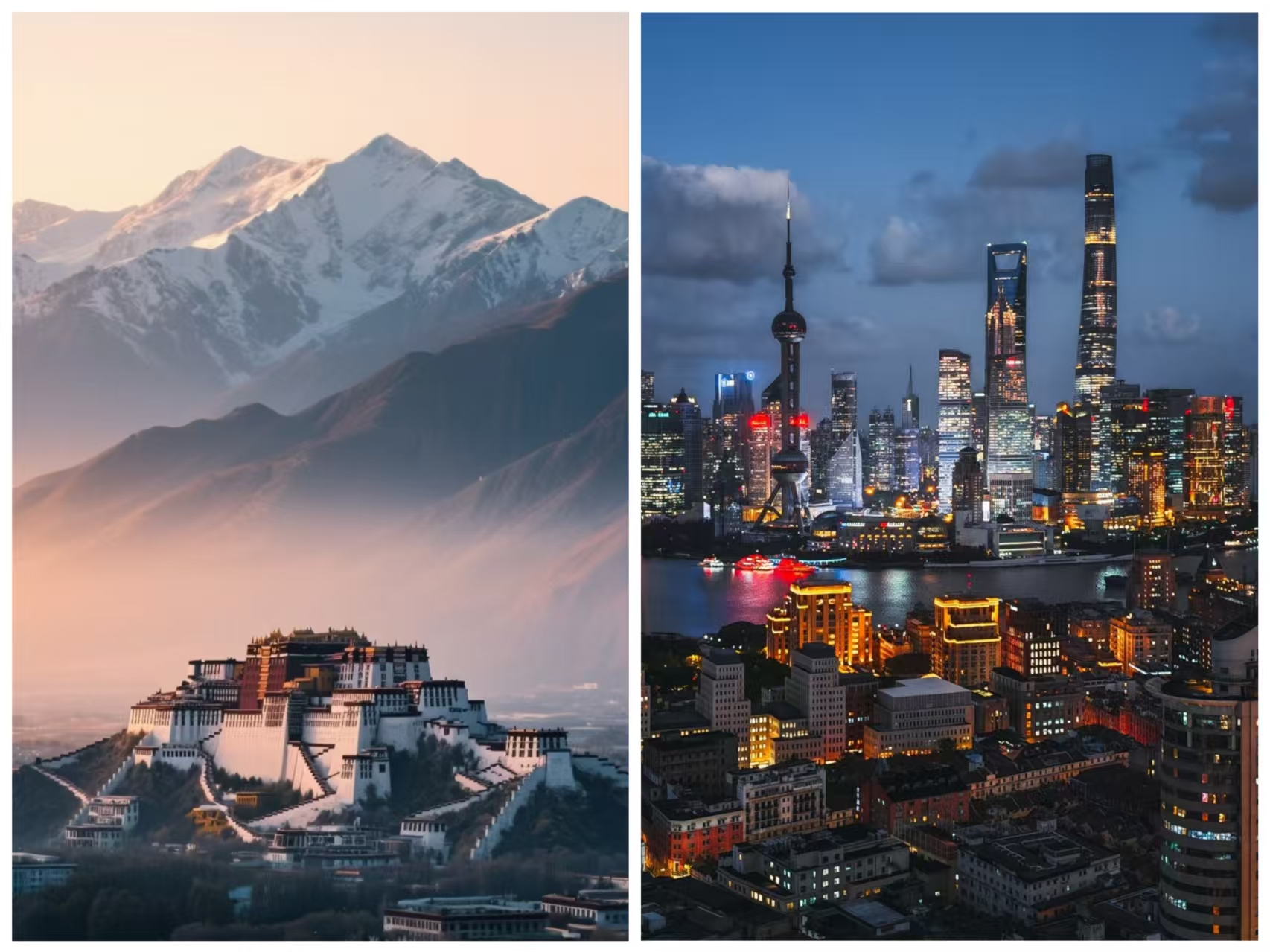
Tibetan Plateau Lhasa and Yangtze Delta Shanghai — China Beyond Beijing Shanghai travel planning by Korascale.
Decoding the Six Personalities
At Korascale, we define China’s regions not by their famous sights, but by their "Civilization Character."
1. North China: The Imperial Backbone
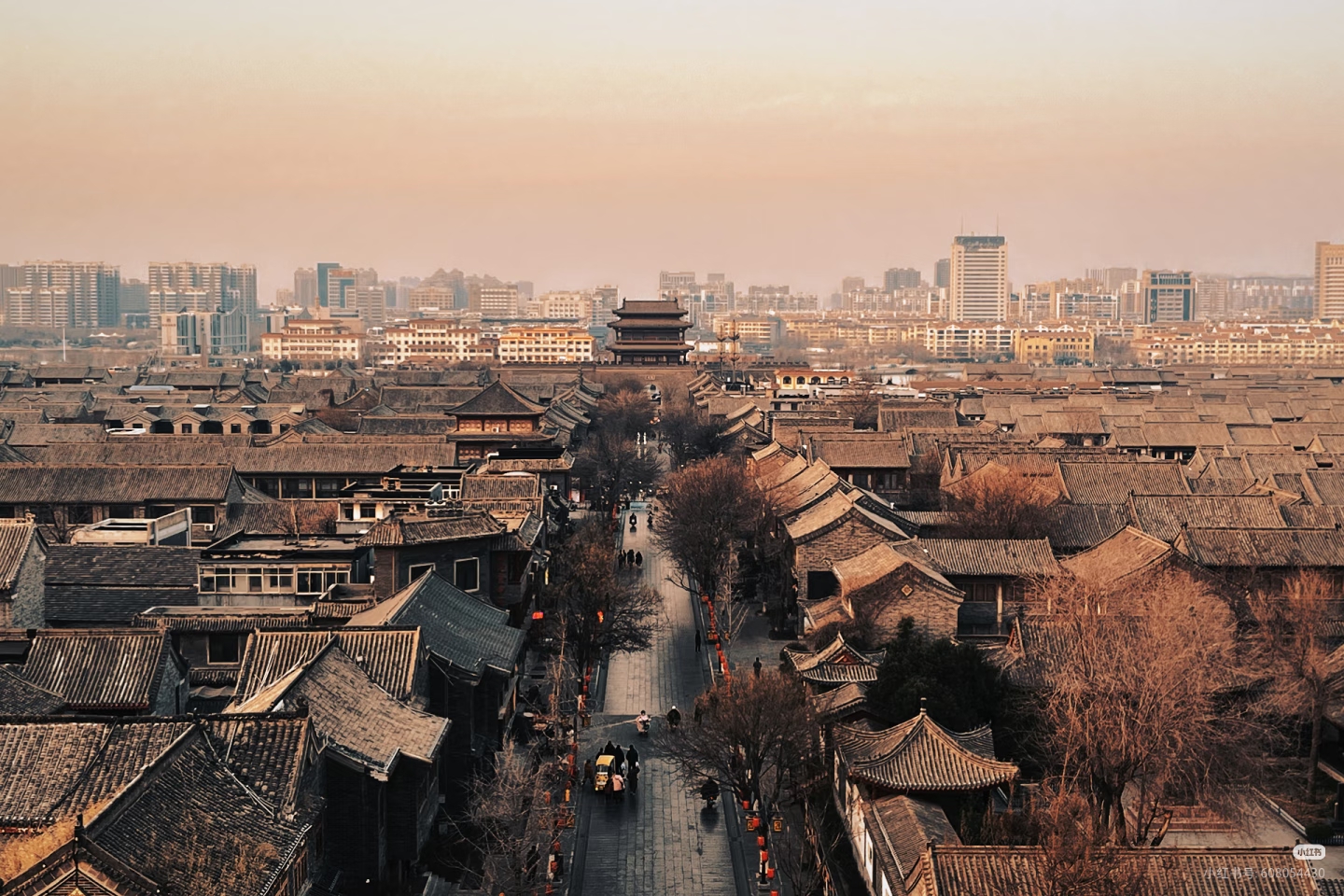
The core of Yellow River civilization. This is where the weight of dynastic history is heaviest. The harsh, continental climate bred a direct, resilient culture defined by massive scales.
- The Experience: High historical density. Imperial grandness.
- Related: [Beijing: The Axis, the Wall, and the Alleys] & [Shanxi: The Architect’s Ark].
2. The Yangtze Delta: The Literati Utopia (Jiangnan)
The rice-and-fish capital. Since the Song Dynasty, this has been China’s aesthetic and economic heart. "Jiangnan" is a poetic state of mind—refined, subtle, and sophisticated—forming a sharp contrast to the North’s bluntness.
- The Experience: Exquisite gardens, silk craftsmanship, and water towns.
3. The Southwest: The Independent Soul (Sichuan & Chongqing)
Geographically isolated by the "impassable" Qinling mountains, the Southwest developed a fierce independence. From the alien bronzes of Sanxingdui to the Ba Shi "slow-life" philosophy of Chengdu, this is China’s most relaxed and sensory-driven region.
- The Experience: Culinary intensity, teahouse culture, and 8D vertical urbanism.
- Related: [Chengdu: The Unchanging Metropolis] & [The 8D Night of Chongqing].
4. The Northwest: The Silk Road Mosaic
The historic corridor connecting China to Central Asia and Europe. This is China’s most religiously and culturally diverse region, where Buddhism, Islam, and Taoism coexist against a backdrop of Gobi deserts and the Tianshan peaks.
- The Experience: Epic landscapes and ancient trade-route grit.
5. The South: The Pragmatic Coast (Guangdong & HK)
The first region to touch the outside world. Centuries of maritime trade created a culture that is outward-looking and fiercely pragmatic. Here, "Food is Philosophy," and the ingredient-focused Cantonese cuisine stands in direct opposition to Sichuan’s spice-focused world.
6. The Tibetan Plateau: The Spiritual Extreme
At an average altitude of 4,500m, the physical conditions here dictate a different pace of life. This is not a "tourist spot"; it is a civilization that developed extreme spirituality as a survival mechanism against extreme geography.
The Strategic Implications for Your Itinerary
How does this regional reality change your 2026 travel plan? We apply six core principles:
- Avoid "The Monolith" Fallacy: If you spent five days in Beijing and found China "formal and serious," your impression is incomplete. You haven't met the "relaxed" version of China yet.
- Plan in "Regional Clusters" (Blocks): Don't just jump between dots on a map (Beijing → Chengdu → Shanghai). Organize your trip into Logic Blocks (e.g., The Imperial Block vs. The Southwest Block). Each block has its own internal narrative.
- Manage Dietary Intensity: Moving from the delicate flavors of Canton to the numbing spice of Chengdu is a variable that must be managed, not just endured. We pace our culinary itineraries to prevent "sensory fatigue."
- Seasonality is Regional: "Autumn is the best time for China" is a useless tip. October is freezing in Tibet, perfect in Chengdu, and peak-humidity in Hainan. We align your regional windows with surgical precision.
- Specialized Local Narrators: A Beijing Hutong expert is not a Sichuan architecture expert. At Korascale, we use localized teams who "speak the language" of their specific regional character.
- Respect the "Buffer Day": Flying from the 3,600m altitude of Lhasa to the sea-level humidity of Shanghai is a shock to the system. We build in "buffer days" to respect the physical reality of regional transitions.
China is not a list of things to see. It is a logic to be understood. Whether you are seeking the "Imperial Power" of the North or the "Spiritual Solitude" of the West, we help you choose the right versions of the argument to explore.
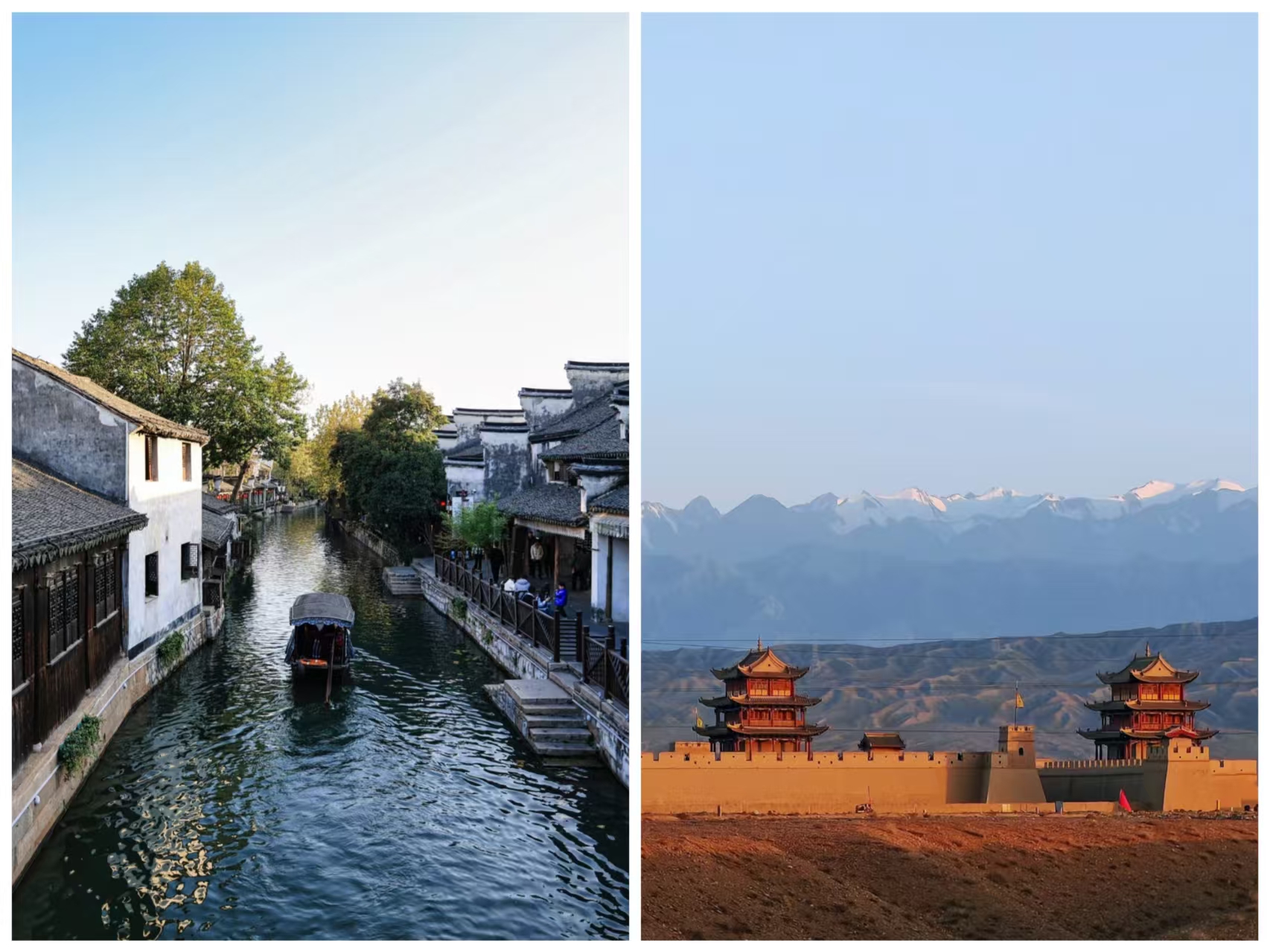
Northwest China Silk Road Dunhuang and Southwest China minority regions — China Multi-Region Itinerary Korascale Bespoke Travel.