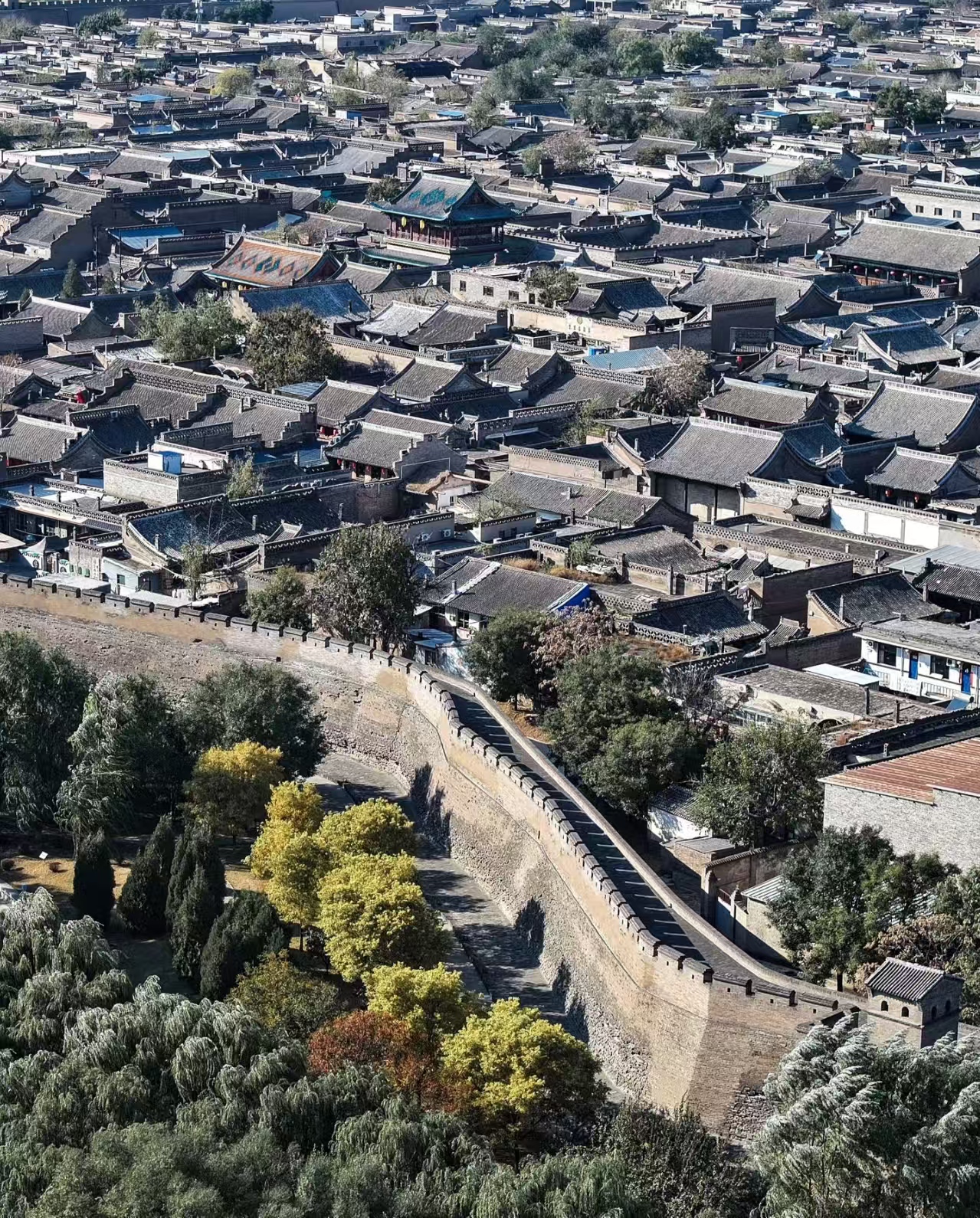


In the 1980s, a wave of "modernization" swept through China. Pingyao’s sister city, Taigu—once equally grand with imperial walls and merchant mansions—was systematically demolished to make way for wide roads and concrete blocks.
Pingyao was scheduled for the same fate. The dust was already rising as the first hundred Ming-era buildings were torn down. Then, an accident happened: The money ran out.
Pingyao was too poor to finish its own destruction. This "poverty-stricken window" allowed a young lecturer named Ruan Yisan to intervene. He spent sleepless nights mapping the city and pleaded with Beijing officials for a measly 80,000 RMB (about $11,000 USD today) to start repairs instead of demolition. That desperate act of "Saving the City Under the Knife" is why Pingyao exists today. It is not just China’s best-preserved ancient county; it is a miracle of historical coincidence.
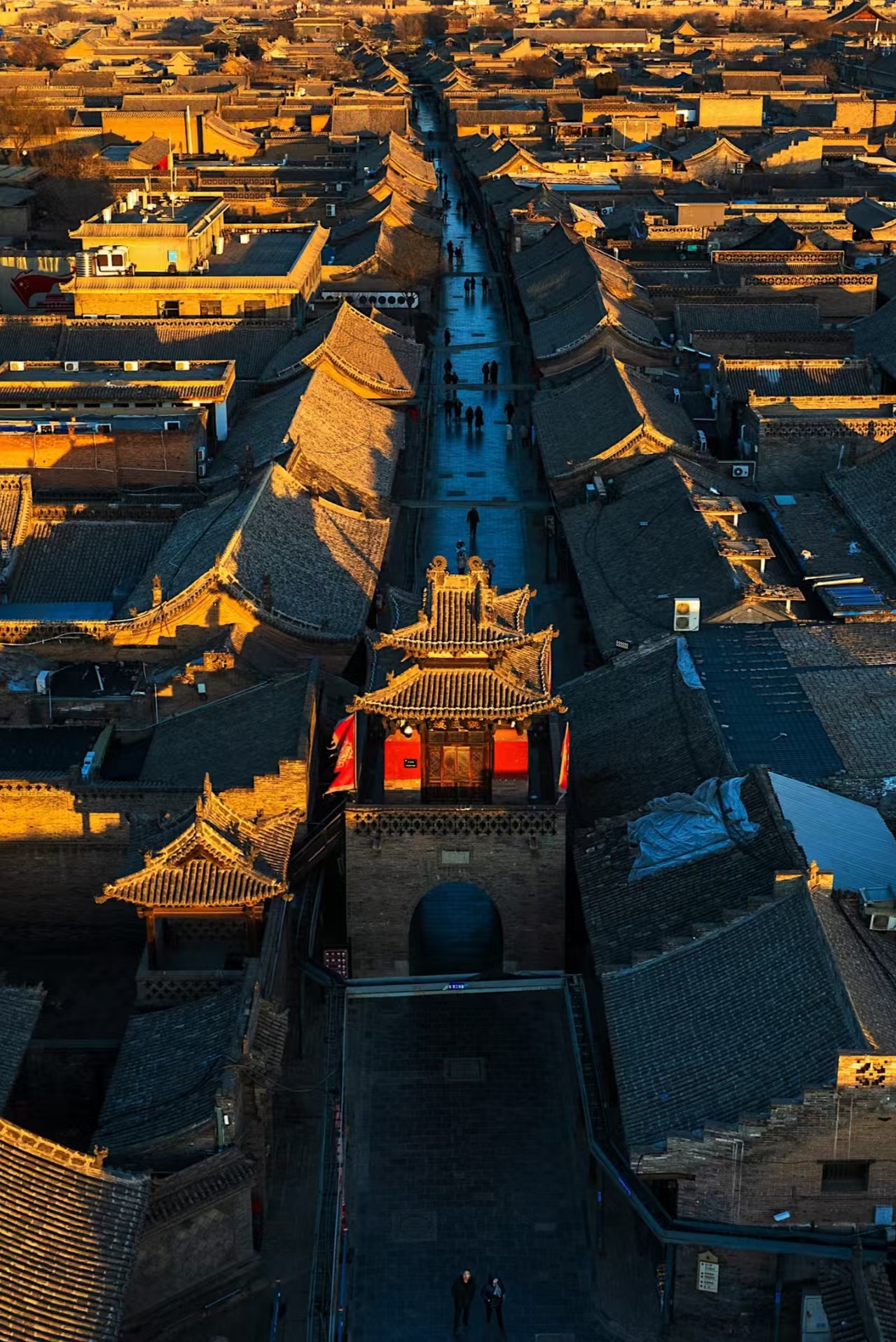
Pingyao Ancient City UNESCO 1997 Living Ming Dynasty City | Ming Dynasty City Wall, Shanxi Merchant Culture - Korascale Bespoke Travel
The Three Layers of Pingyao: Walls, Wealth, and Walks
To truly experience Pingyao, you must peel back three distinct layers of time and purpose.
Layer 1: The Sacred Geometry (The Walls)
Built in 1370, the 6-kilometer Pingyao City Wall is a living diagram of ancient Chinese urban planning. From above, the city is shaped like a "Great Tortoise"—a symbol of longevity.
- The Logic: The South Gate is the head, the North Gate the tail, and the four side gates are the legs.
- The Korascale Strategy: We climb the walls at 06:00 AM. Between the South and East gates, you can watch the sunrise illuminate the grey-tiled roofs of the entire ancient city before the crowds arrive. It is the most serene vantage point in North China.
Layer 2: The Wall Street of the East (Rishengchang)
In the 19th century, Pingyao controlled over half of China's silver trade. Rishengchang, established in 1823, was the nation’s first modern bank.
- The Innovation: Before telegraphs or phones, Rishengchang invented a remittance system using paper drafts to replace the dangerous transport of physical silver bullion.
- The "East-Partner" System: Decades before Western corporate governance, Pingyao merchants separated ownership from management, creating a professional CEO class that ran a global financial network from a small Shanxi courtyard.
Layer 3: The Living Heritage (20,000 Souls)
Unlike the "museum towns" of the south, Pingyao is a living city. Over 20,000 residents still live within the walls.
- The Experience: Between 06:00 and 08:00 AM, the city belongs to the locals. You’ll see breakfast stalls steaming on street corners and elderly residents sunning themselves under Ming-era lintels. By staying in a converted boutique courtyard (arranged by Korascale), you aren't just visiting the history; you are sleeping inside it.
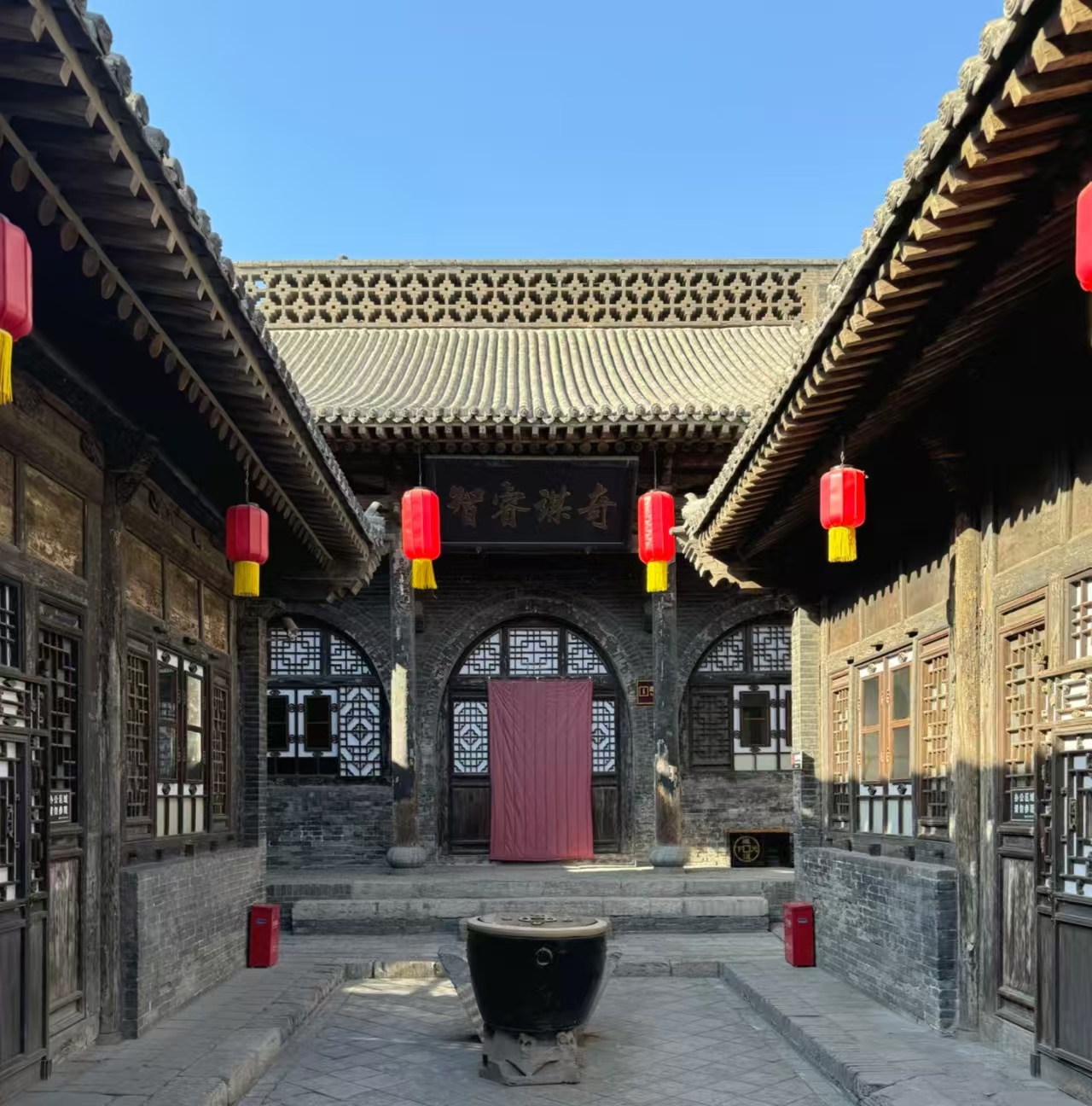
Rishengchang Draft Bank 1823 First Bank China and Piaohao Financial History — Pingyao China Wall Street 19th Century Korascale.
Beyond the Gates: The 2,056 Sculptures
Six kilometers outside the city walls lies Shuanglin Temple, a site most group tours skip due to the distance. It is home to exactly 2,056 painted sculptures spanning the Song to Qing dynasties.
- The Masterpiece: The Skanda (Wei Tuo) statue is considered by art historians to be the finest in China—a study in divine motion and stillness.
- The Atmosphere: The silence here, compared to the bustling main street of the old city, makes it a mandatory half-day extension for any serious art lover.
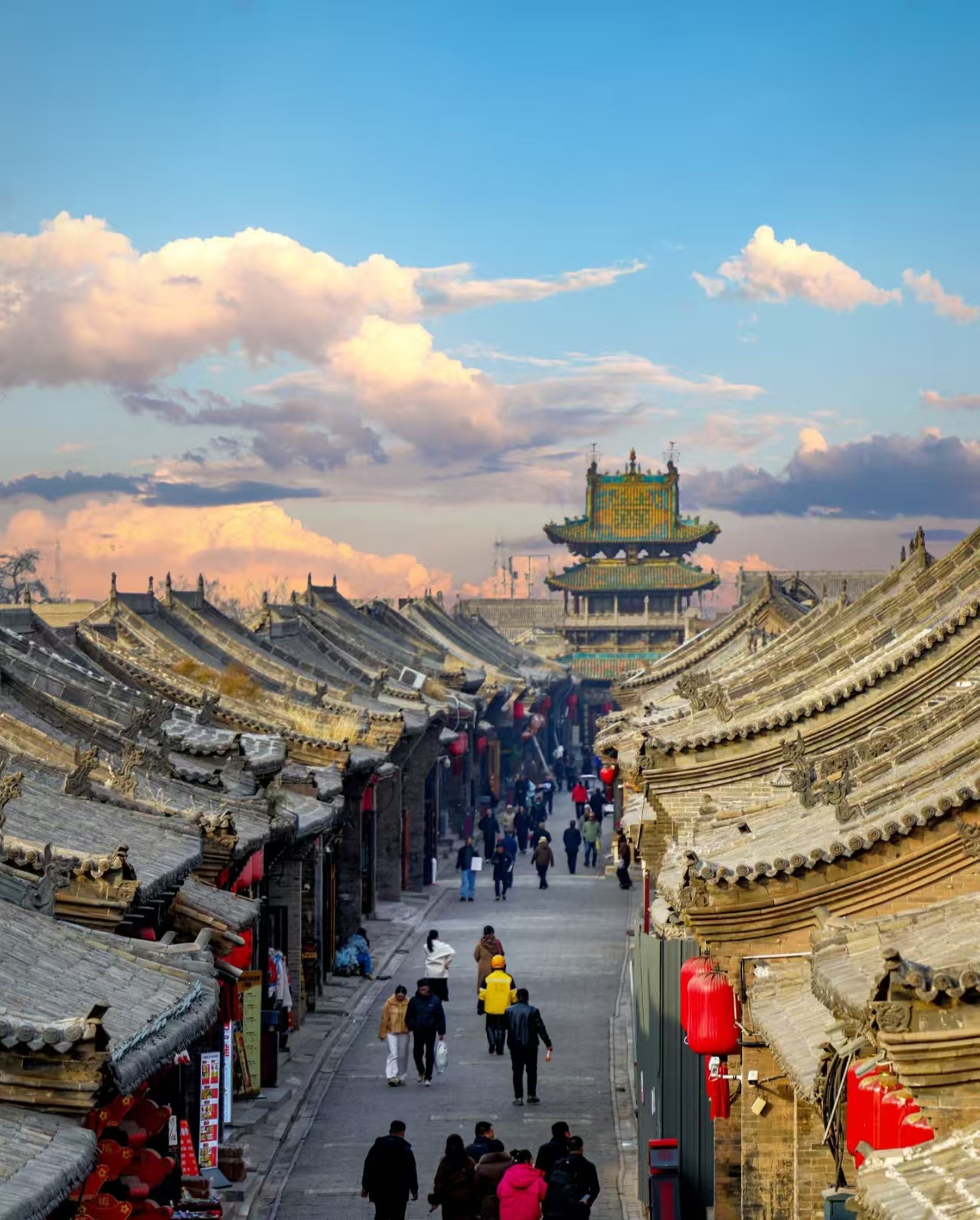
Pingyao Ancient City morning Living Heritage City China — Pingyao Courtyard Hotel private experience by Korascale Bespoke Travel.
The Korascale Protocol: A 2-Day Private Immersion
We recommend a minimum of two days to capture the city’s dual personality.
Day 1: The Inner Core
- Dawn: 06:00 AM Sunrise Wall Walk (South to East section).
- Morning: Depth-dive into Rishengchang Exchange with our specialist in financial history—moving beyond dates to explain the "East-Partner" management logic.
- Afternoon: The County Government Office (Xianya) and the City Tower.
- Evening: The immersive theater performance "Encore Pingyao"—a haunting narrative of the merchant spirit.
Day 2: The Artistic Perimeter
- Morning: Shuanglin Temple (Art History focused tour).
- Mid-day: Zhenguo Temple (12km away), home to the Ten Thousand Buddha Hall—the third oldest wooden structure in China (963 AD).
- Optional Extension: The Wang Family Mansion (50km away), a 250,000 sqm labyrinth of 123 courtyards that dwarfs the palaces of most kings.
The Korascale Difference: Access to the Quiet
The secret of Pingyao is found in the "White Space" of the early morning and late night.
- Specialist Guides: We don't just use "standard guides." Our Pingyao team includes experts in Shanxi Merchant Governance and Buddhist Art History.
- Strategic Timing: We schedule your visit to the major "hubs" during off-peak hours and reserve the golden hours for the walls and the silent temples.
- The Courtyard Choice: We select specific Ming-dynasty boutique stays that offer modern luxury without sacrificing the authentic structural logic of the 19th-century merchant life.
Pingyao is a testament to the fact that sometimes, "not having enough money to change" is the greatest gift a city can give to the future.