
There is a staggering fact about Chengdu that few cities on Earth can claim: in over two millennia of floods, wars, and dynastic collapses, Chengdu has never changed its location and never changed its name.

The name itself, "Chengdu," comes from an ancient prophecy: "In one year it becomes a settlement, in two years it becomes a city, and in three years it becomes a metropolis." This statement of stability is the foundation of the city's identity. Today, Chengdu exists as a five-layered masterpiece: a lost Bronze Age civilization, a Three Kingdoms capital, a UNESCO City of Gastronomy, a sanctuary for Giant Pandas, and the capital of the "Slow Life" philosophy.

At Korascale, we decode these layers to explain why Chengdu is both a global financial hub and the most relaxed city in China.
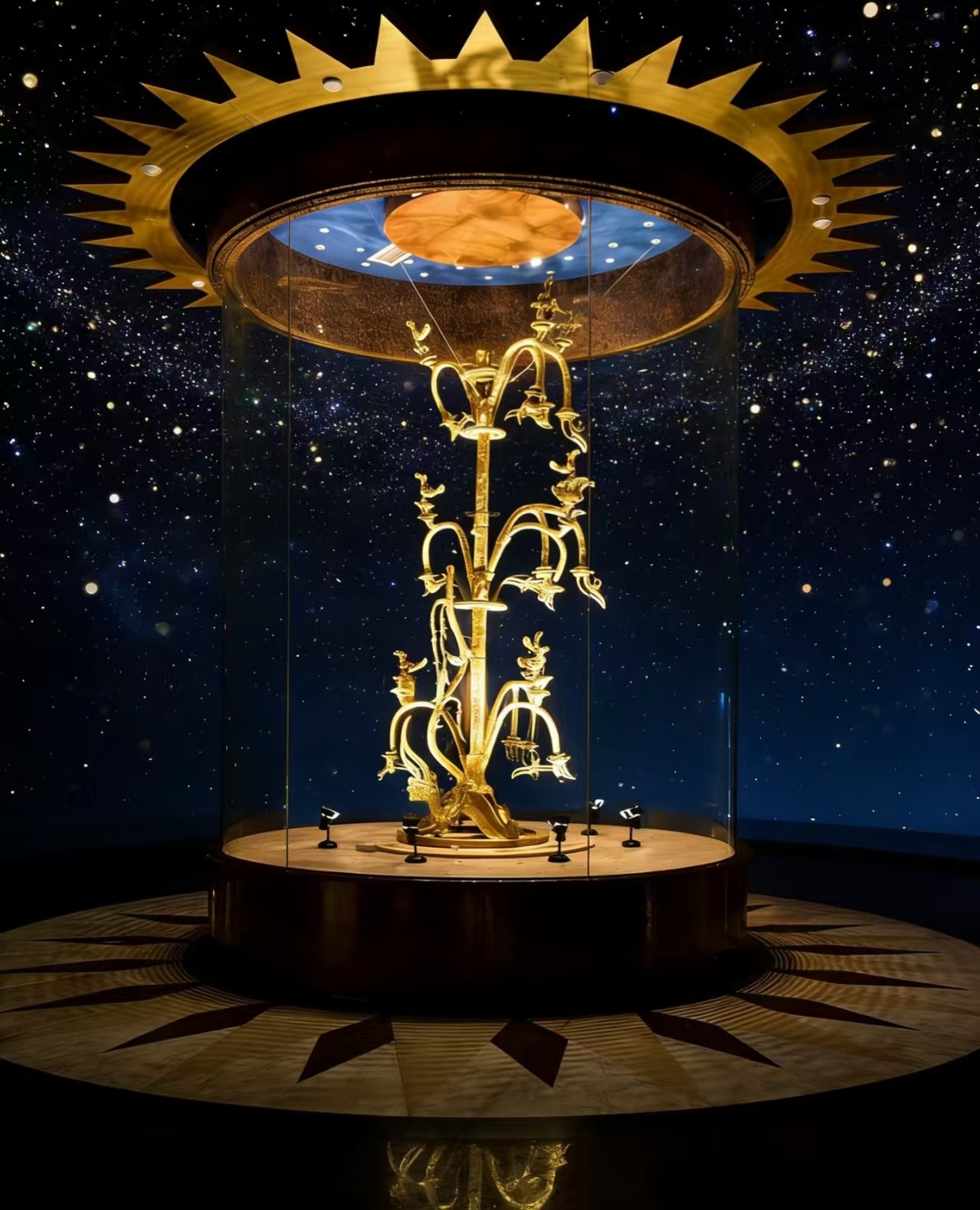
Sanxingdui Museum Shu Kingdom Bronze Age and Ancient Shu Civilization — Chengdu cultural heritage tour by Korascale.

Sanxingdui Museum Shu Kingdom Bronze Age and Ancient Shu Civilization — Chengdu cultural heritage tour by Korascale.

The Five Layers of Depth: From Gold Masks to Spicy Soul

To truly "read" Chengdu, one must peel back its historical layers, each revealing a core that defies conventional Chinese history.

Layer 1: The Lost Civilization (Sanxingdui & Jinsha)

Located just 40km from Chengdu, Sanxingdui is an archaeological site that rewrote the origin story of Chinese civilization.

  • The Icons: Massive bronze masks with protruding eyes (16.5cm), the world's tallest pre-modern bronze standing figure, and the 3.96-meter "Sacred Tree."
  • The Mystery: No written records exist. Only these silent, alien-like gold and bronze artifacts (dating back to the Tutankhamun era) remain. Chief archaeologists at the British Museum have called it "more outstanding than the Terracotta Army."

Layer 2: The Three Kingdoms (Wuhou Shrine)

As the capital of the Shu Kingdom (221–263 AD), Chengdu was the stage for China's most famous epic. The Wuhou Shrine is the most preserved memorial to this era, where the legendary strategist Zhuge Liang is honored. Adjacent is Jinli Street, a Han-style district that offers the city's most atmospheric night walk.

Layer 3: UNESCO City of Gastronomy (The Balance of Five Flavors)

In 2010, Chengdu became Asia's first UNESCO City of Gastronomy. The secret isn't just "spicy"; it's Balance.

  • The Soul: The Pixian Broad Bean Paste (Doubanjiang), fermented for up to three years, is the "Soul of Sichuan Cuisine."
  • The Experience: Beyond hotpot, we explore the delicate craftsmanship of Zhong Dumplings and Lai Tangyuan(glutinous rice balls).

Layer 4: The Teahouse & "Ba Shi" Philosophy

With over 10,000 teahouses, Chengdu has the highest density of social spaces in China. This fuels the Ba Shi (巴适)philosophy—a precise pursuit of life quality that knows exactly when to slow down.

Layer 5: The Panda Sanctuary

The Chengdu Research Base of Giant Panda Breeding is home to 200+ pandas. The Korascale Tip: The morning window (07:00–09:00 AM) is the only time to see them active during feeding. By the afternoon, the entire base is essentially a collective nap session.
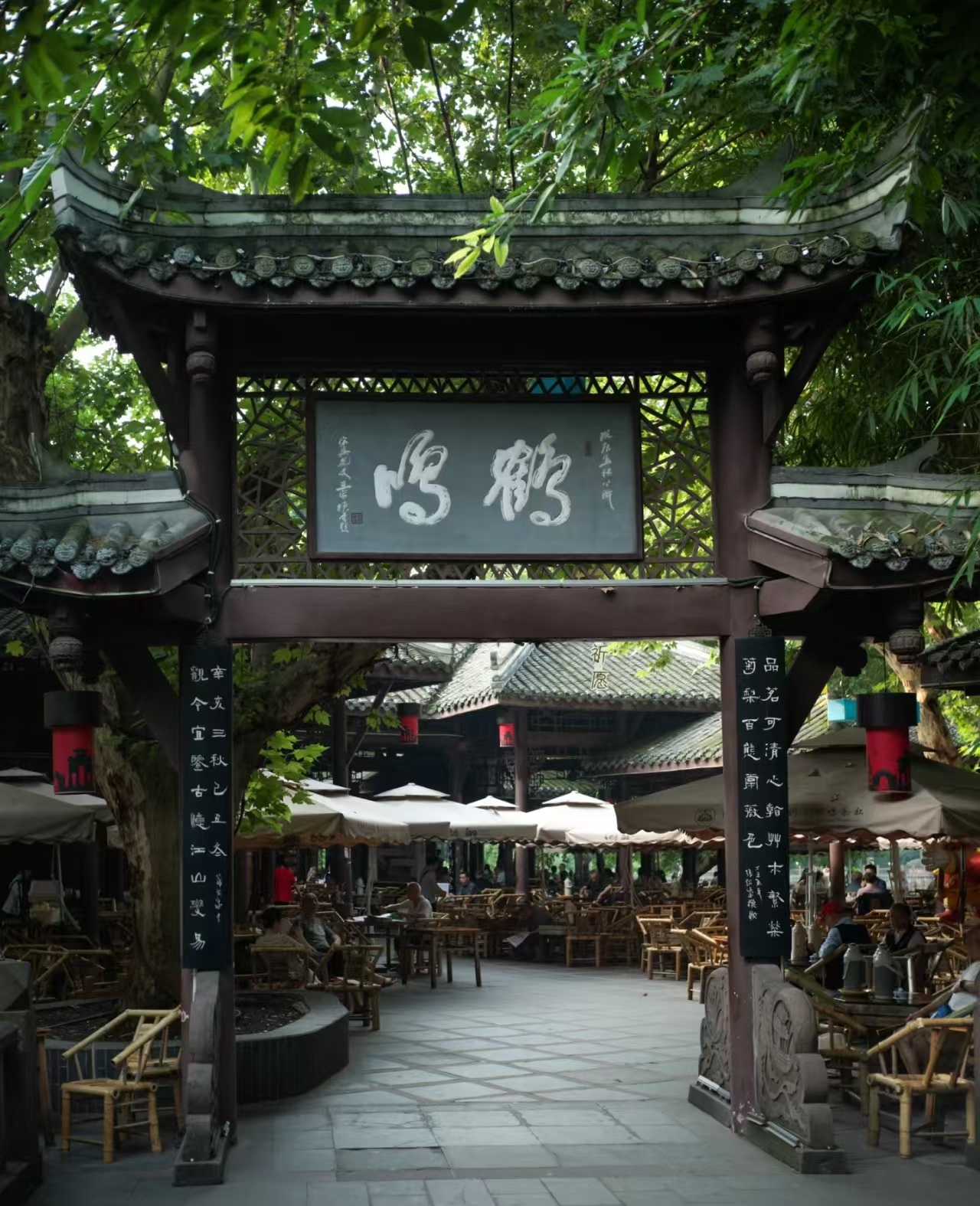
Chengdu Teahouse Culture and Sichuan Cuisine Ba Shi Philosophy — UNESCO City of Gastronomy 2010 private tour by Korascale.

Chengdu Teahouse Culture and Sichuan Cuisine Ba Shi Philosophy — UNESCO City of Gastronomy 2010 private tour by Korascale.

The Korascale Protocol: A 3-Day Immersion Framework

Day 1: The Civilization Layer (Sanxingdui & Jinsha)

  • Morning: Private depth-dive into Sanxingdui Museum with an expert narrator.
  • Afternoon: Jinsha Site Museum (inside the city), showing the cultural continuity of the Sun Bird gold foil—the symbol of Chinese Cultural Heritage.
  • Evening: Wuhou Shrine & Jinli Night Walk.

Day 2: The Sensory Layer (Gourmet & Tea)

  • 07:00 AM: Hemin Teahouse for morning tea and ear-cleaning culture.
  • Late Morning: A visit to a traditional Pixian Doubanjiang factory (exclusive access) to see the fermentation vats.
  • Evening: Private Sichuan cooking class followed by a Sichuan Opera performance (the "Face-Changing" art) at Jinjiang Theater.

Day 3: The Nature Layer (Pandas & Hydraulic Engineering)

  • Dawn: Panda Base visit during the active window.
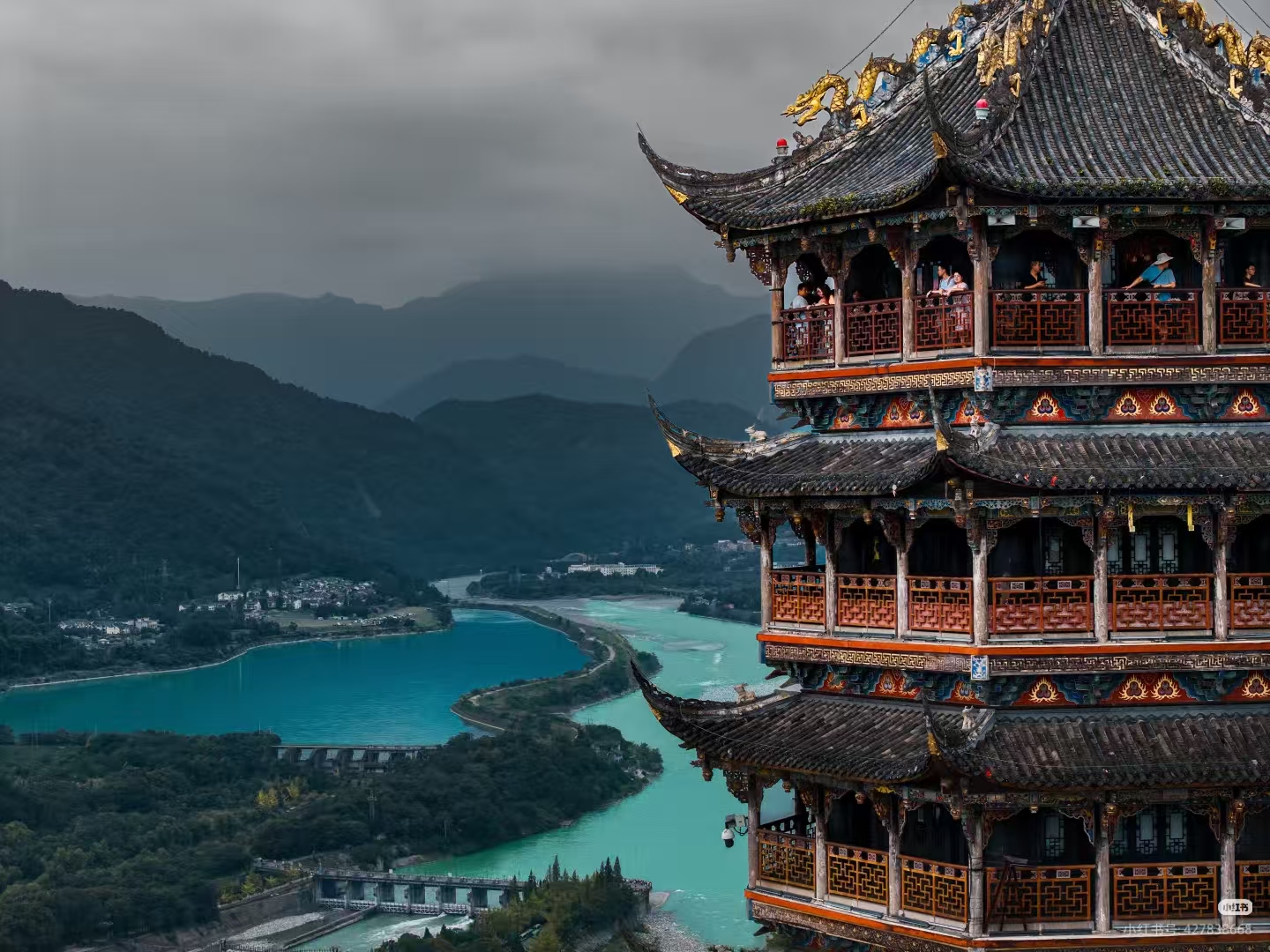
  • Mid-day: Private transfer to Dujiangyan (1 hour) to explore the 2,200-year-old irrigation system.
  • Option: A hike in the Taoist forests of Mount Qingcheng.

The Korascale Difference: Access to the Invisible

We don't just provide tours; we provide entry into spaces normally closed to the public. This includes private academic sessions at Sanxingdui, reserved tables at non-tourist teahouses, and exclusive access to artisan workshops for lacquerware and silk.

Chengdu is the base for your deep Sichuan journey—a city that has mastered the art of staying the same while the world changes around it.
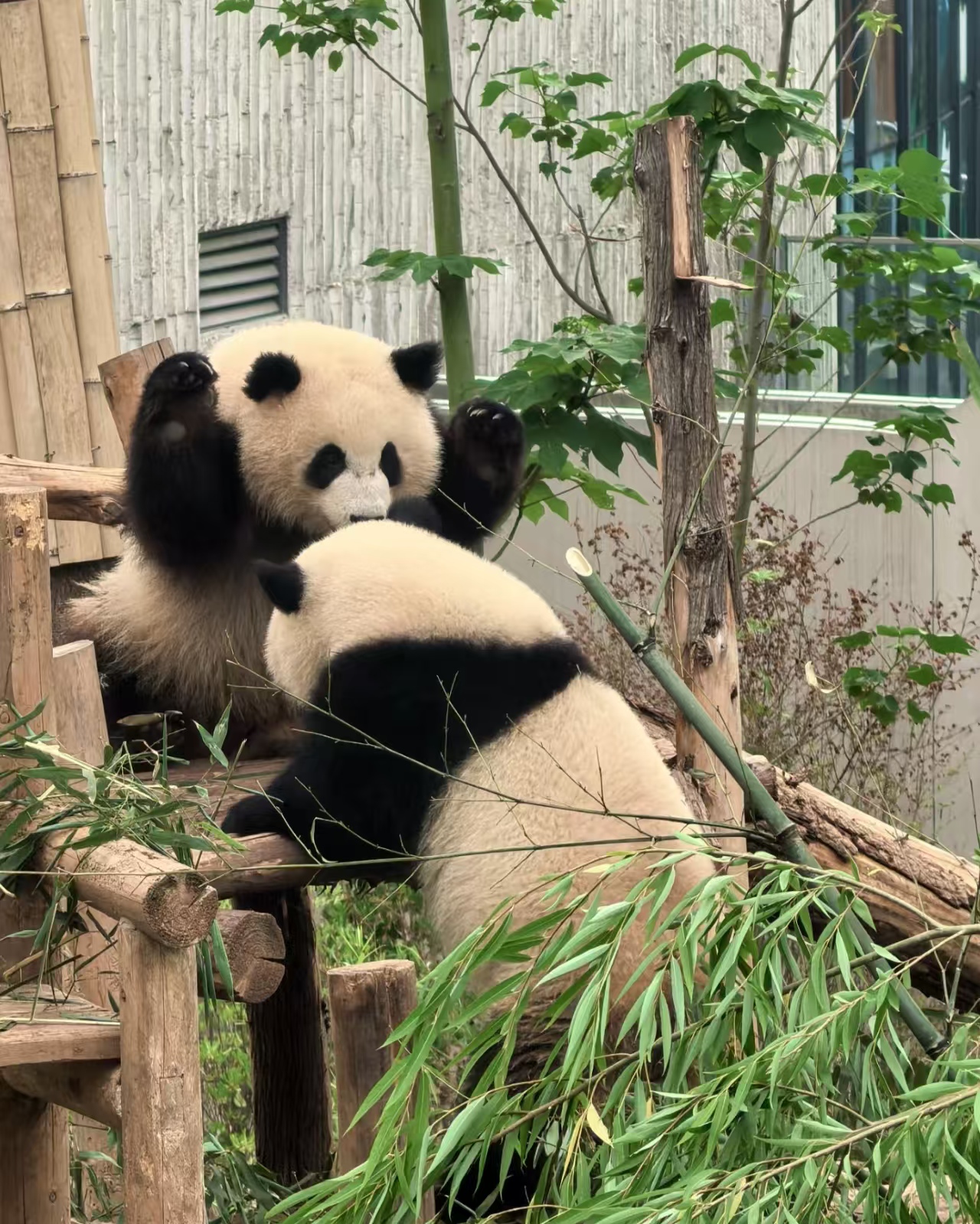
Giant Panda Base Chengdu and Chengdu Panda Breeding — Korascale private morning panda experience Bespoke Travel China.
Giant Panda Base Chengdu and Chengdu Panda Breeding — Korascale private morning panda experience Bespoke Travel China.

Chengdu travel guide 2026 what to see and doSanxingdui Museum Chengdu Bronze Age Shu civilizationChengdu private bespoke cultural tour UNESCO gastronomyChengduSichuan ProvinceChengdu PlainSanxingdui MuseumJinsha Site MuseumWuhou ShrineJinli StreetKuanzhai AlleyPeople's Park ChengduTaikoo Li ChengduIFS ChengduUNESCO City of Gastronomy 2010Shu Kingdom Bronze AgeThree Kingdoms Shu HanAncient Shu Civilization ZZhuge LiangLiu BeiSichuan CuisineSichuan Hot PotMapo TofuDan Dan NoodlesGaiwan TeaBa Shi PhilosophySichuan Opera Face ChangeChengdu Teahouse CultureGiant Panda Base ChengduChengdu Panda BreedingMount QingchengDujiangyanBest Things to Do in ChengduChengdu 3 Days ItineraryChengdu Food TourChengdu Hidden GemsBespoke Travel ChinaKorascale

Frequently Asked Questions

What is Sanxingdui and why does it matter for understanding China?

˅
Sanxingdui is a Bronze Age archaeological site 40 kilometres north of Chengdu that has fundamentally changed our understanding of where Chinese civilisation began. Discovered in 1929 when a farmer digging an irrigation ditch uncovered jade relics, and excavated seriously from 1986 onward, the site belongs to the ancient Shu Kingdom — a sophisticated civilisation that flourished between approximately 1700 and 1100 BCE entirely independently of the Yellow River valley cultures traditionally considered the cradle of Chinese civilisation. Its artifacts, including a 262-centimetre bronze standing figure (the largest bronze statue of its time anywhere in the world), a bronze mask with eyes protruding 16.5 centimetres forward, a 3.96-metre bronze sacred tree, and a gold mask excavated in 2021 composed of 84% gold, are unlike anything else in the ancient world — they match no known artistic tradition from China, Mesopotamia, or Egypt, yet suggest contact with all three through materials including ivory, silk, and gold that could not have originated in Sichuan. Task Rosen, the British Museum's chief archaeological expert, has described the Sanxingdui bronzes as more outstanding than the Terracotta Army. The civilisation vanished around 1100 BCE, apparently suddenly, leaving no written language and no clear explanation for its disappearance.

Why is Chengdu considered China's UNESCO City of Gastronomy, and what makes Sichuan cuisine unique?

˅
Chengdu was designated as UNESCO's City of Gastronomy in February 2010, becoming the first Asian city to receive the title. The designation recognises not just the quality of its food but the depth of its food culture: Chengdu has over 62,500 catering enterprises, more than 2,300 certified master chefs, and a culinary tradition that has developed over 6,000 documented Sichuan dishes across five flavour categories, dozens of cooking methods, and a philosophy that frames food as inseparable from daily life. The defining characteristic of Sichuan cuisine is not heat alone but the combination of málà (麻辣) — the numbing quality of Sichuan pepper (huājiāo, Zanthoxylum bungeanum) combined with chilli heat — which creates a sensation unique in world gastronomy that temporarily desensitises the tongue and then heightens flavour perception. The key ingredient underlying the entire tradition is Pixian Douban sauce (郫县豆瓣酱), a fermented broad bean and chilli paste made in Pixian County near Chengdu using a minimum three-year fermentation process — without which no dish can be called authentic Sichuan. Korascale's Chengdu culinary itineraries include private visits to a Pixian Douban production facility, something unavailable through any standard tour operator.

How many days do you need in Chengdu, and what is the ideal itinerary?

˅
Three full days covers Chengdu's core with depth; four to five days allows meaningful day trips. The most effective sequence runs by layer rather than geography: Day 1 for Chengdu's deep past — Sanxingdui Museum (allow 3 hours minimum) and the Jinsha Site Museum in the afternoon, followed by Wuhou Shrine and Jinli at night. Day 2 for Chengdu's sensory identity — early morning teahouse at People's Park, local breakfast in Kuanzhai Alley, afternoon Sichuan cooking class, evening Sichuan opera performance. Day 3 for nature — Giant Panda Base before 9 AM during the active feeding window, then Dujiangyan or Mount Qingcheng. If a fourth day is available, the Leshan Giant Buddha (2.5 hours from Chengdu) completes the UNESCO circuit beautifully. Korascale structures this as a standard private Chengdu itinerary from its local base, with pre-arranged early-morning panda access, Sanxingdui private guide, and seamless vehicle transitions throughout.

What is Chengdu's connection to the giant panda, and is the panda base worth visiting?

˅
Chengdu is the only city in the world where both wild and captive giant pandas exist within the same metropolitan area — the wild population lives in the Qinling and Minshan mountain ranges that encircle the Chengdu Plain, while the captive breeding population at the Chengdu Research Base of Giant Panda Breeding currently numbers over 200 individuals. The base is genuinely worth visiting if visited correctly: arrive before 8:30 AM and head directly to the nursery and kindergarten enclosures before the shuttle bus groups arrive, catching the active feeding and play behaviour between 7 and 9 AM that disappears entirely by mid-morning when pandas sleep through the afternoon. The base also houses the world's first interactive experience museum themed around giant pandas. For visitors with more time, the Dujiangyan Panda Base (also known as China Conservation and Research Center for the Giant Panda Hetaoping Base) has a more open, less crowded setting and an option to participate as a volunteer keeper for a day — an experience Korascale can arrange in advance for private clients.

What does Korascale's Chengdu base make possible that other tour operators cannot deliver?

˅
Korascale's permanent Chengdu base changes three things fundamentally for international travelers. First, it enables genuine depth at Sanxingdui: rather than a group tour narration, Korascale provides a specialist guide who can explain the Bronze Age trade networks implied by the ivory, the religious cosmology encoded in the sacred tree, and the ongoing 2020–2023 excavations of six new sacrificial pits that are still being analyzed. Second, Chengdu is the logistics origin point for the entire Sichuan circuit — Jiuzhaigou, Dujiangyan, Leshan, and Mount Emei are all within half a day's travel, and Korascale coordinates the full routing as a single itinerary rather than separate bookings. Third, the Korascale team has direct access to culinary experiences — including Pixian Douban factory visits and early-morning market sourcing with a private chef — that require Chinese-language coordination and established relationships with producers unavailable to walk-in visitors. Contact Korascale to begin designing your Chengdu and Sichuan private itinerary.