At first glance, Chengdu and Chongqing are neighbors, connected by a mere hour on a high-speed rail. But in the architectural and psychological landscape of China, they represent two opposing answers to the same question: How should we live?

To visit one without the other is a strategic error in travel planning. In this Korascale guide, we decode the "Sichuan-Chongqing Paradox"—where Chengdu explores the depth of Time, and Chongqing pushes the boundaries of Space.

The Grammar of Contrast: Why These Two Cities Must Be Visited Together

Chengdu and Chongqing are the "Twin Suns" of Southwest China, yet they operate on different frequencies.

  • Chengdu is a city of Horizontal Calibration. Its teahouse culture is a 2,000-year-old experiment in "Slowing Down." It asks: How much meaning can we extract from a single afternoon?
  • Chongqing is a city of Vertical Defiance. Built on the precipitous cliffs of the Yangtze and Jialing rivers, it is an "8D" urban labyrinth where "ground level" is a relative term. It asks: How much gravity can we ignore?

At Korascale, we use our Chengdu operational base as the anchor for this dual-city logic. We believe you cannot truly appreciate the "Slow Life" of the basin without experiencing the "Cyber-Pulse" of the mountains.

Reading Each City on Its Own Terms

Chengdu: The Anti-Anxiety Machine

Chengdu is China’s most resilient sanctuary against the modern rush. Its secret lies in its engineered tranquility.

  • Teahouse Logic: At Renmin Park, the rhythmic "clinking" of tea lids and the precision of ear-cleaning masters (Ting-er) aren't just for show. They are rituals of sensory reset.
  • Beyond the Panda: While others crowd the city-center base, we pivot to the Dujiangyan UNESCO site. Here, you don't just see pandas; you see the 2,200-year-old hydraulic engineering that tamed the Min River and created the fertile abundance that allowed Chengdu’s teahouse culture to exist in the first place.
  • Taoist Resonance: A hike through Mount Qingcheng reveals the architectural origin of "Doing Nothing" (Wu Wei), where temples are built into the forest, not over it.

Chongqing: The Logic of the 8D Matrix

Chongqing’s "Cyberpunk" aesthetic isn't a stylistic choice—it’s a geographical necessity.

  • Liziba & Hongya Cave: When you see a monorail passing through the 8th floor of a residential building at Liziba Station, or the 11-story stilt houses of Hongya Cave, you are witnessing architectural survival. In Chongqing, the street might be on the 1st floor or the 22nd; it depends on the mountain's mood.
  • The Raffles Spans: The Crystal sky-bridge at Raffles City offers a panoramic view of the "Two-Color River Junction," where the brown Yangtze meets the green Jialing—a visual metaphor for Chongqing’s chaotic harmony.
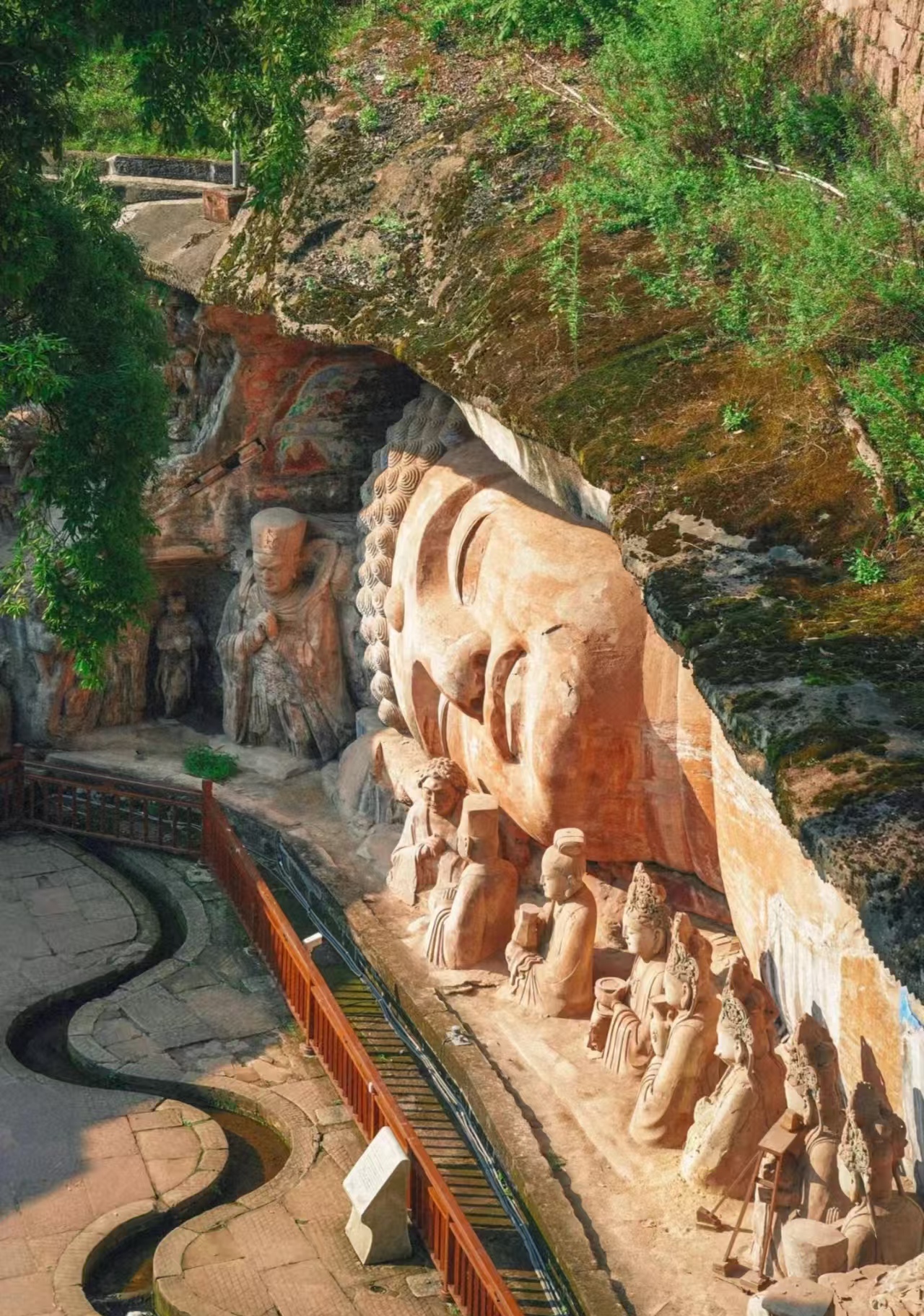
  • Dazu Rock Carvings (UNESCO 1999): Located 100km from the city, this is the intellectual peak of the region. Unlike other single-religion grottoes, Dazu is a rare fusion of Buddhism, Taoism, and Confucianism, carved with a density and realism that challenges the finest Renaissance sculptures.
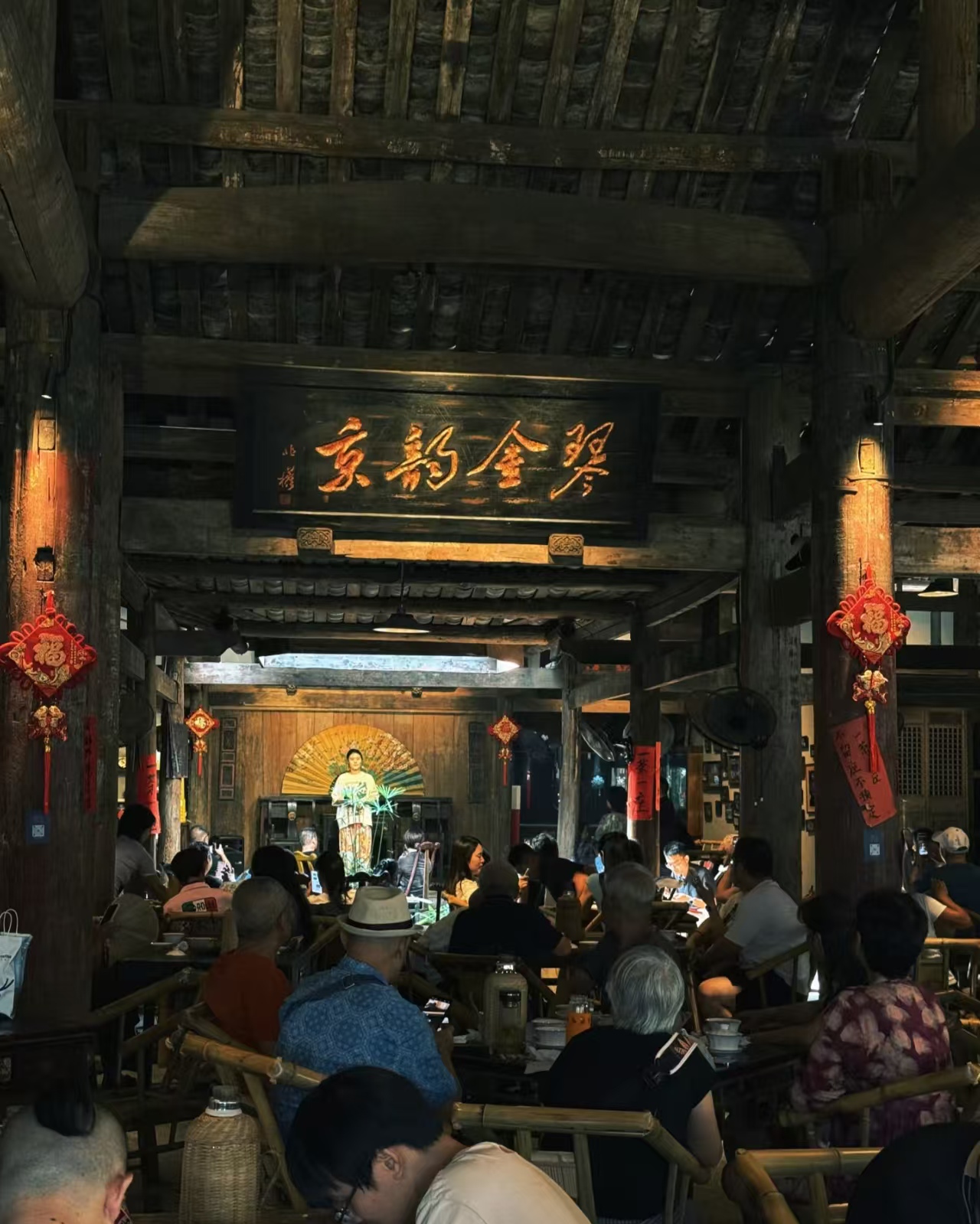
Chengdu Slow Life and Giant Panda Base — Sichuan Cuisine and culture with Korascale Bespoke Travel.

Chengdu Slow Life and Giant Panda Base — Sichuan Cuisine and culture with Korascale Bespoke Travel.

The Korascale Southwest Formula: 7 Days of Depth

We don’t just book hotels; we sequence your nervous system. Our Southwest China Circuit is designed to balance the "Yang" of Chongqing’s energy with the "Yin" of Chengdu’s stillness.

The 7-Day Strategy:

  • Day 1–2: Chengdu Integration. Teahouse immersion, the "Urban Grid" of Taikoo Li, and private Sichuan opera mask-changing workshops.
  • Day 3: The Hydraulic Blueprint. A private expedition to Dujiangyan and the Panda Valley.
  • Day 4: High-Speed Recalibration. Morning in Chengdu, lunch on the 350km/h train, and a sunset arrival at a cliff-side hotel in Chongqing.
  • Day 5: The Vertical City. Private logistics through Liziba, the Yangtze River Cableway, and a midnight tour of the city’s glowing neon skyline.
  • Day 6: The Cultural Anchor. A full-day deep dive into Dazu Rock Carvings, including the often-missed Beishanand Nanshan sites for a crowd-free experience.
  • Day 7: The Wulong Karst or Yangtze Departure.

Why Korascale?

Most agencies treat Chengdu and Chongqing as separate stops. We treat them as a system.

  • Bilingual Intelligence: Our guides are specialists in urban design and religious art, not just "shuttlers."
  • The "Gap" Logistics: We know which 8D alleys in Chongqing are dead ends and which teahouses in Chengdu are actually local favorites.
  • Access: Private entry to Dazu’s conservation areas and dawn access to the Panda bases.
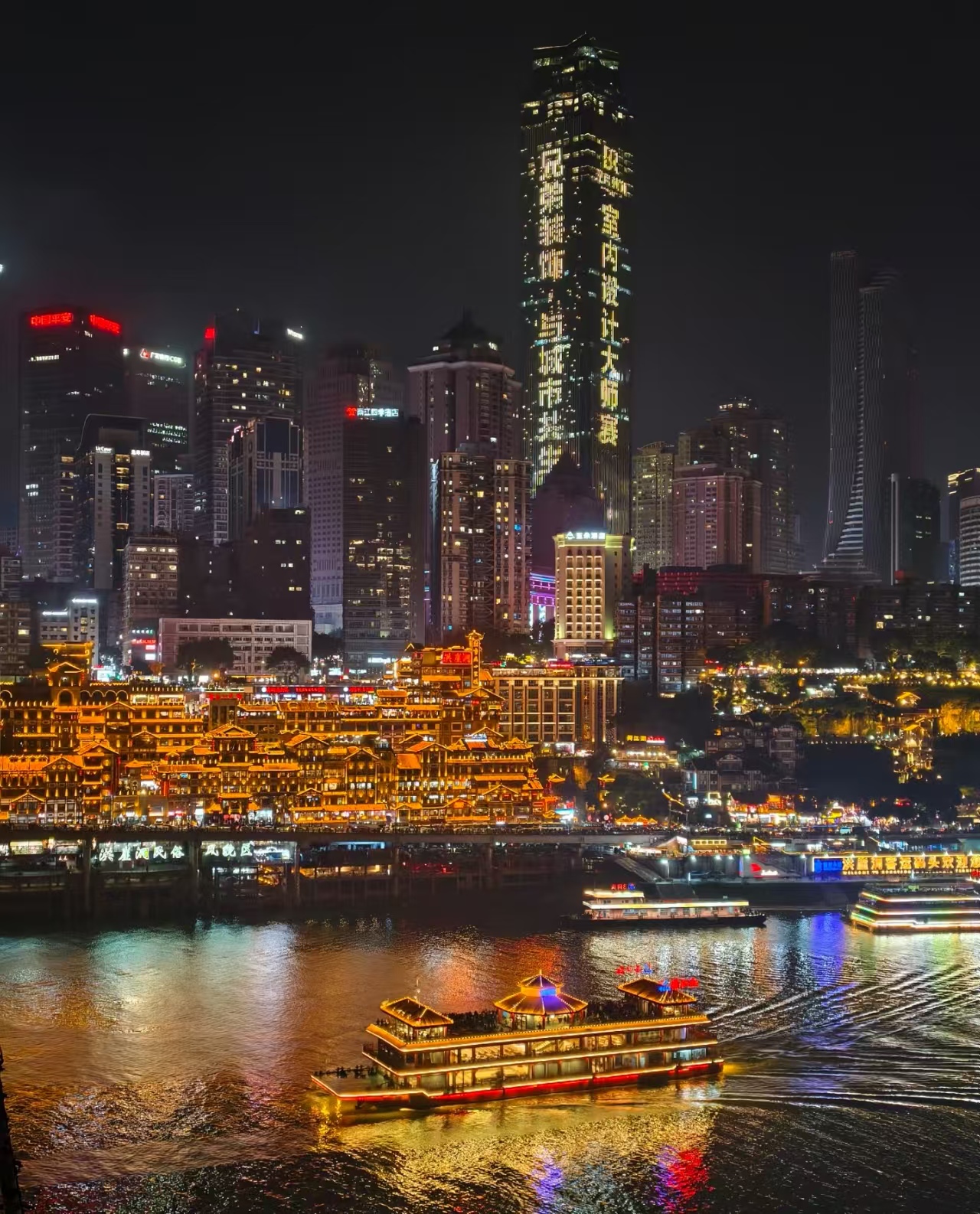
Exploring Hongya Cave and Chongqing 8D City on a Korascale Southwest China private tour.
Exploring Hongya Cave and Chongqing 8D City on a Korascale Southwest China private tour.

Dazu Rock Carvings UNESCO 1999 and Yangtze River — Southwest China bespoke journey by Korascale.
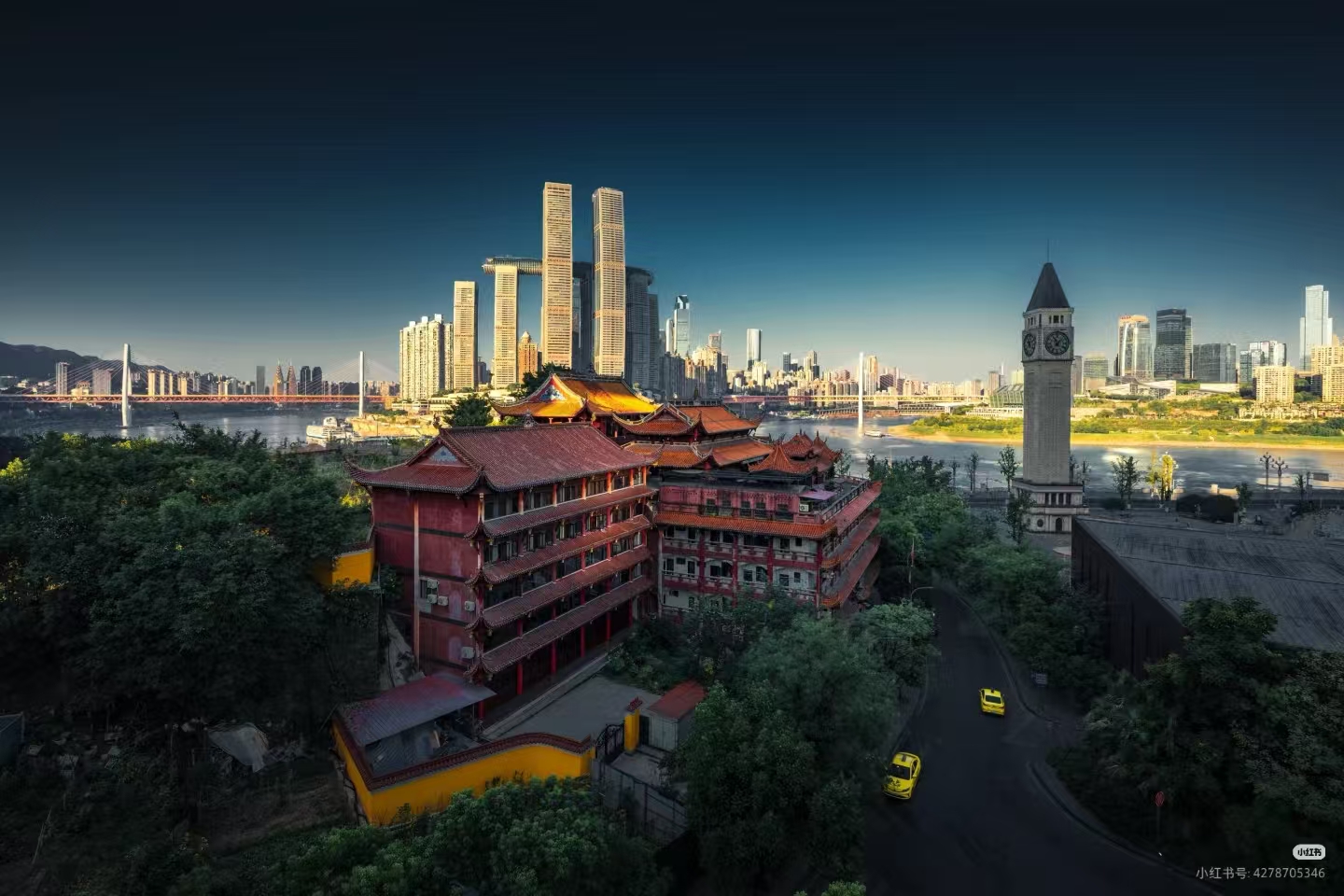
Dazu Rock Carvings UNESCO 1999 and Yangtze River — Southwest China bespoke journey by Korascale.

Chengdu Chongqing travel guide 2026Chongqing cyberpunk 8D city travelSouthwest China bespoke private tourChongqingHongya CaveLiziba Monorail StationWulong KarstDazu Rock CarvingsYangtze RiverChengduGiant Panda BaseKuanzhai AlleyLeshan Giant BuddhaDujiangyanQingcheng MountainDazu Rock Carvings UNESCO 1999Wulong Karst UNESCOLeshan Giant Buddha UNESCODujiangyan UNESCOChongqing 8D CityCyberpunk ChinaChengdu Slow LifeSichuan CuisineSouthwest China TourBespoke Travel ChinaKorascale

Frequently Asked Questions

Why is Chongqing called an "8D city" and what does that actually mean for travelers?

˅
The "8D city" nickname refers to Chongqing's genuinely disorienting vertical urban landscape — a direct consequence of its mountain geography rather than any design intent. Because the city is built across steep gorges and hillsides at the confluence of the Yangtze and Jialing rivers, a single building may have street-level entrances on the 1st, 12th, or even 20th floor depending on the surrounding terrain. The most vivid example is Liziba Monorail Station, where Rail Transit Line 2 passes directly through the 6th to 8th floors of a 19-story residential building — with soundproofing so effective that residents barely notice. For travelers, navigating Chongqing means abandoning the assumption that ground level is a fixed concept. Korascale's private Chongqing guides are specifically briefed to decode the city's spatial logic rather than simply list its sights.

What are the UNESCO World Heritage Sites in and around Chongqing and Chengdu?

˅
The region holds an exceptional concentration of UNESCO sites. In Chongqing: the Dazu Rock Carvings (1999), comprising 75 protected sites with over 50,000 statues carved into cliff faces between the 9th and 13th centuries, and the Wulong Karst Geological Park (part of the South China Karst inscription). Near Chengdu: the Dujiangyan Irrigation System and Qingcheng Mountain (2000), the Leshan Giant Buddha (1996) — at 71 metres the world's largest pre-modern stone Buddha — and Jiuzhaigou National Park (1992). A well-designed 7–8 day Korascale itinerary can visit three or four of these sites without feeling rushed, treating each as a half- or full-day experience rather than a checkbox.

Should I visit Chengdu or Chongqing first, and how many days does each city need?

˅
Most itineraries work better starting in Chengdu, for two reasons: Chengdu has two international airports with more direct connections from Europe, and its slower pace eases jet lag before Chongqing's sensory intensity. Chengdu warrants 2–3 days for city highlights — one day for the panda base and Kuanzhai Alley, a second for cultural depth (Wenshu Monastery, Jinli, face-changing opera). Chongqing deserves at least 2 days in the city plus a full day for Dazu Rock Carvings as a separate excursion. The high-speed train between them takes approximately one hour, making the two-city combination genuinely seamless. Korascale designs the transition to include private vehicle logistics so there is no dead time between cities.

What does a bespoke private tour of Chengdu and Chongqing include that a standard tour doesn't?

˅
Standard tours of both cities concentrate almost entirely on the same four or five iconic sites, moving quickly and in groups. A Korascale private itinerary builds in three things that change the experience fundamentally: early-morning access to the panda base before crowds arrive, making it possible to observe pandas during their active feeding window; a full-day private excursion to Dazu Rock Carvings including the Beishan and Nanshan sites that most visitors skip entirely; and private evening access to Hongya Cave's upper levels away from the main tourist circuit, where the cliff architecture and river views are far more dramatic. Operating from its Chengdu base, Korascale handles the full southwestern routing — private vehicles, English-speaking guides throughout, and itinerary adjustments in real time.

What makes the Dazu Rock Carvings different from other UNESCO sites in China?

˅
The Dazu Rock Carvings are unique in Chinese grotto art for depicting all three of China's major religious traditions — Buddhism, Taoism, and Confucianism — not as competing systems but as integrated narratives carved into the same cliff face. UNESCO described them as "outstanding evidence of the harmonious synthesis" of these three faiths. At Baodingshan, over 50 metres of continuous cliff carving tells a single unified Buddhist narrative across dozens of interconnected sculptures — designed by the monk Zhao Zhifeng over 70 years starting in 1174. The carvings are also remarkable for their secular content: scenes of farming, family life, and punishment that would be unthinkable in imperial northern grottoes. Korascale includes Dazu as a full-day private excursion rather than a rushed half-day, covering Baodingshan in the morning and the lesser-visited Beishan or Nanshan in the afternoon.