

Beyond the "Must-See" List: Finding the Soul of a Civilization
In the age of social media, travel has often been reduced to a sequence of digital trophies. We are conditioned to follow a "Top 10" list, rushing from the Great Wall to the Terracotta Army, ticking off landmarks as if completing a corporate task. However, when it comes to a land as vast and layered as China, this "checklist culture" is precisely why many journeys feel hollow upon reflection.
At Korascale, we view travel not as a collection of sights, but as a series of resonant experiences. The failure of checklist travel lies in its inherent noise; it prioritizes the quantity of "seeing" over the quality of "being." To truly understand China, one must move beyond the itinerary and embrace the rhythm of the land itself.
1. The Trap of "Visual Consumption"
The checklist mindset treats cultural heritage as a product to be consumed. When you rush through the Forbidden City merely to capture a specific photograph, you bypass the silent dialogue between the architecture and the history it holds.
- Aesthetic Fatigue: Moving too quickly between mega-cities leads to sensory overload. The human mind requires time to calibrate between the imperial grandeur of Beijing and the delicate water towns of the Jiangnan region.
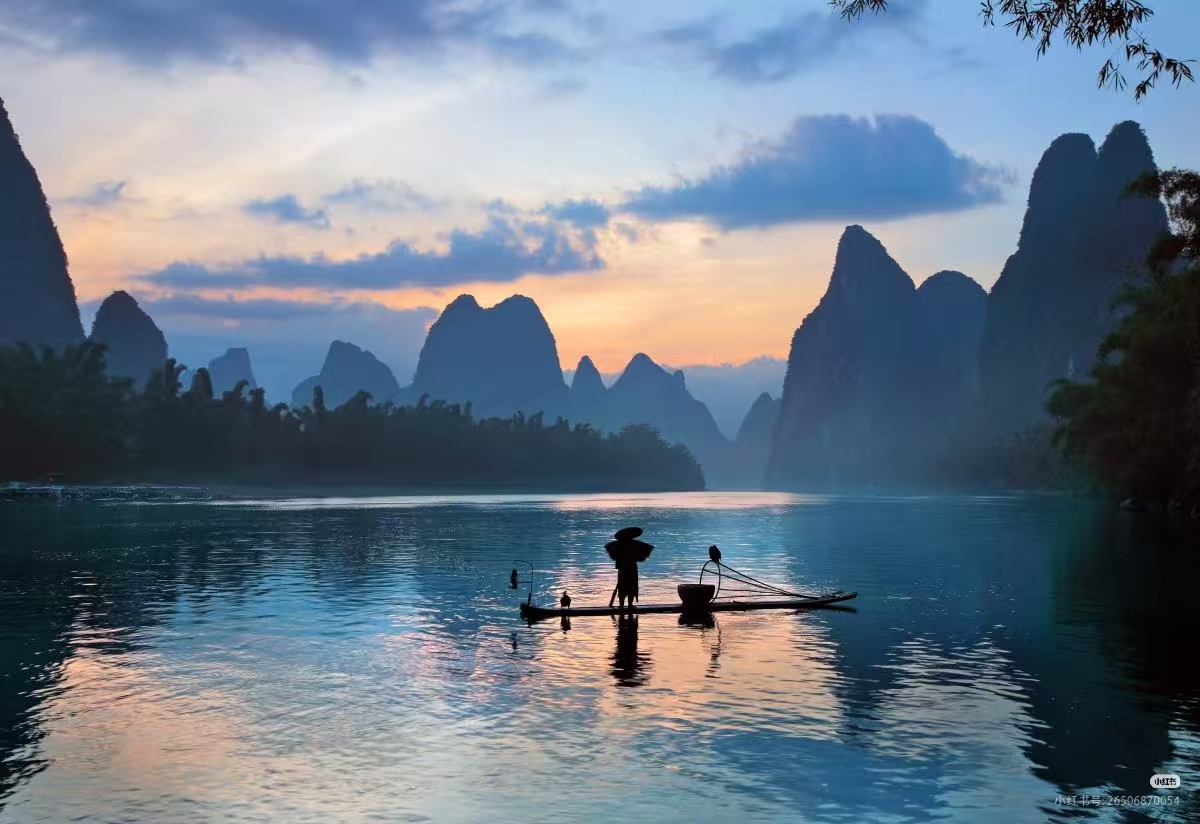
- The Loss of Nuance: China’s beauty often resides in the "in-between" moments—the smell of osmanthus in a Suzhou alley or the way the morning light hits a limestone peak in Yangshuo. These cannot be scheduled; they can only be encountered.
2. "Liu Bai": The Wisdom of Leaving Blank Space
In traditional Chinese ink painting, the most crucial element is often the Liu Bai (留白)—the intentional white space that gives the subject room to breathe. This philosophy is the foundation of the Korascale approach to travel.
- Restoring the Rhythm: A meaningful China travel itinerary must include "unscripted time." This isn't wasted time; it is the space where genuine cultural immersion happens.
- The Power of Stillness: By deliberately leaving gaps in your schedule, you allow for Yuan Fen (缘分)—those spontaneous, serendipitous interactions with locals that often become the most cherished memories of a trip. This is a recurring theme we explored in Why China Feels Overwhelming (Internal Link placeholder).
3. The Paradox of the "Must-See" Landmark
While landmarks like the Bund or the Potala Palace are culturally significant, they represent only the surface of the Chinese experience. Relying solely on popular guides often leads to over-tourism and authenticity loss.
- The Illusion of Authenticity: "Checklist" spots are often optimized for crowds, stripping away the very soul you traveled to find.
- Meaningful Alternatives: Instead of seeking the "most famous" version of an experience, we encourage travelers to seek the "most preserved." This shift in focus is what transforms a tourist into a guest of the culture.
4. How to Transition from Tourist to Traveler
To avoid the pitfalls of the checklist, consider these principles for a more authentic China travel experience:
- Deep Sourcing: Choose one or two regions and stay longer. Depth always trumps breadth in a civilization this old.
- The Morning/Evening Rule: Visit major sites at sunrise or dusk, and spend the midday hours in "quiet immersion"—perhaps a local market or a hidden garden.
- Intellectual Curiosity: Prioritize understanding the "Why" behind a site over the "What." A single hour with a local scholar often reveals more than a day of unguided wandering.
A Calm Conclusion
The most profound journeys are those that change the traveler, not just the traveler’s location. By surrendering the checklist, you open yourself to a version of China that is quiet, intricate, and deeply human. It is the difference between looking at a map and feeling the texture of the earth beneath your feet.
If you are seeking a journey that prioritizes depth over speed, you may find that our philosophy at Korascale aligns with your own. We invite you to explore a more intentional way of discovering the world.