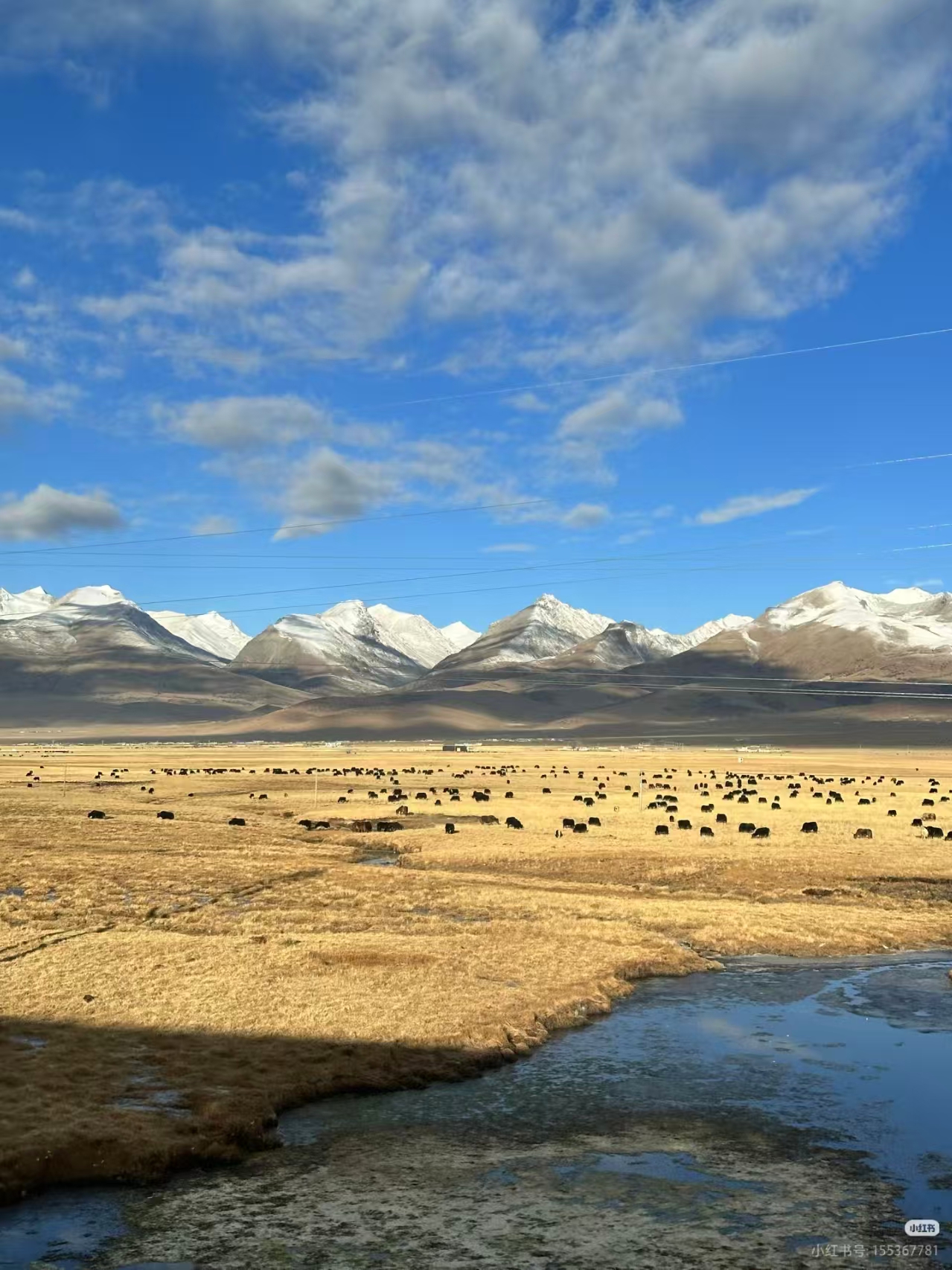


For many travelers, entering Tibet begins with one practical question: should you take the train or fly?
The short answer is that neither option is automatically safer or better. The Qinghai-Tibet Railway is a remarkable journey and a powerful way to experience the plateau, but it does not guarantee protection from altitude sickness. A flight to Lhasa saves time, but it asks more of your arrival plan. A softer entry through Nyingchi can work beautifully for private itineraries, but it needs more days.
The real decision is not train versus plane. It is how your route manages altitude, fatigue, recovery time and the first 48 hours after arrival.
Quick Answer: Which Tibet Entry Route Fits You?
Choose the Xining-to-Lhasa train if the railway experience matters and you have enough time to rest before and after the plateau crossing.
Choose a direct flight to Lhasa if time is limited and your first two days can stay deliberately slow, with no heavy sightseeing or late-night schedule.
Choose Nyingchi before Lhasa if comfort, scenery and a gentler first step matter more than speed. This route is especially useful for private travelers who can spend extra days moving gradually west toward Lhasa.
A strong Tibet itinerary is built around pacing, not transportation alone.
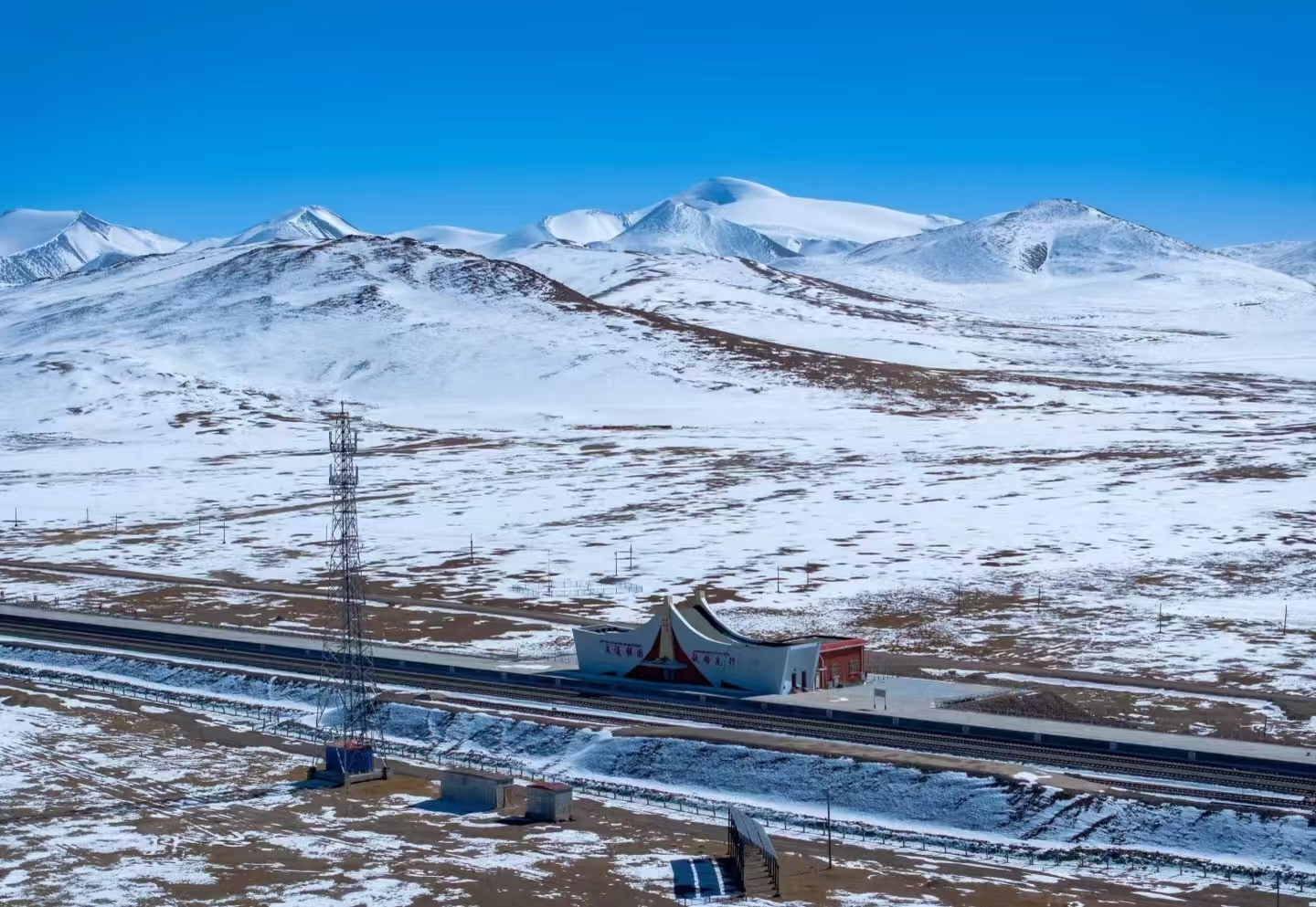
Qinghai-Tibet Railway plateau scenery on the route toward Lhasa.
Why the Train Does Not Automatically Prevent Altitude Sickness
The most common myth about Tibet travel is that the train is always the safest way to acclimatize.
The logic sounds reasonable: a slower journey should give the body more time to adjust. In practice, the train still reaches very high elevations, and many travelers spend long hours in a high-altitude environment before arriving in Lhasa. The railway has oxygen systems and is an engineering achievement, but it should not be treated as a medical solution.
The train can be the right choice for scenery, atmosphere and the sense of crossing into the plateau. For altitude adjustment, what happens before boarding and after arrival often matters more than the train itself.
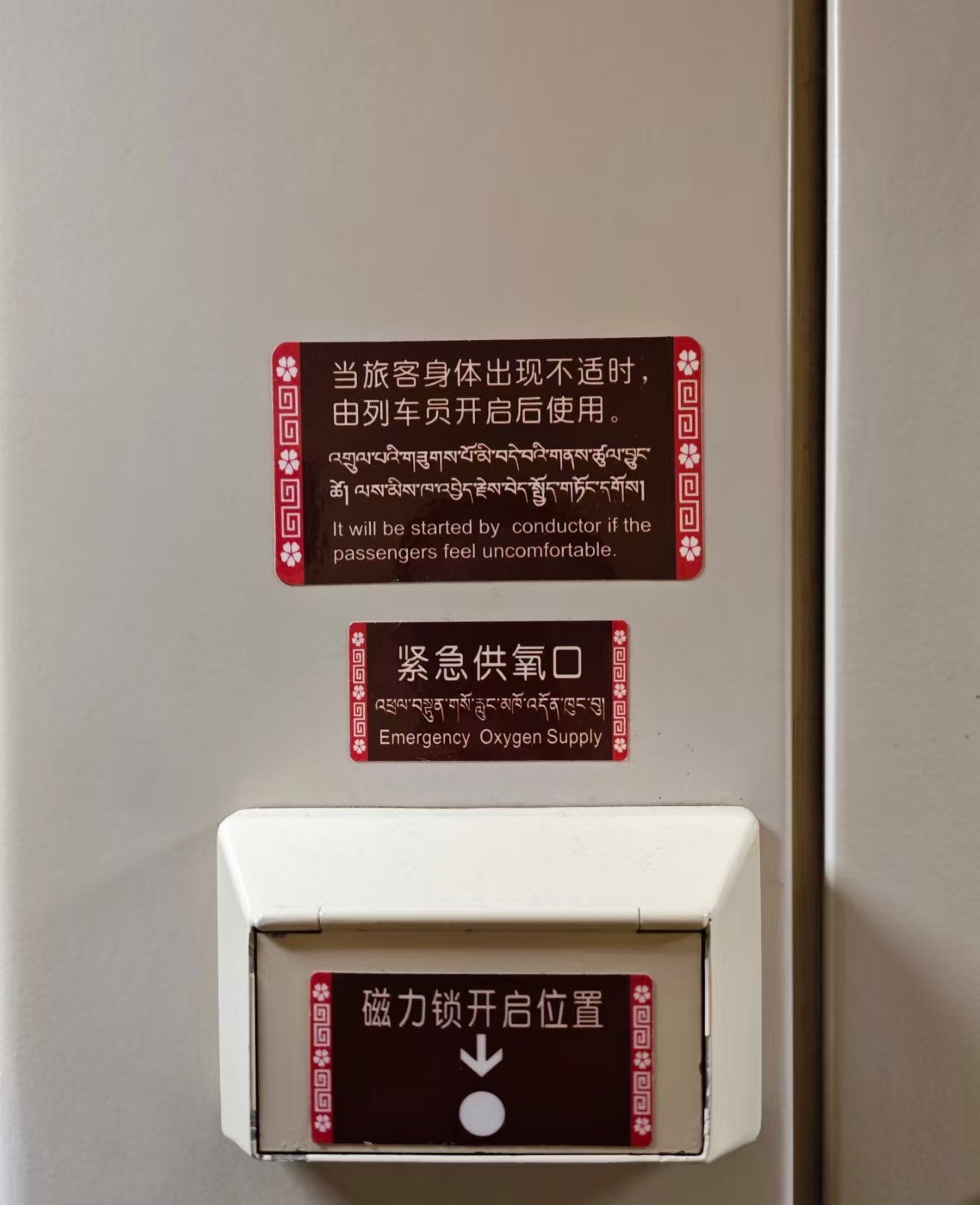
High-altitude rail travel requires pacing before and after arrival in Tibet.
Option 1: Start in Xining and Take the Train to Lhasa
If you want the Tibet train experience, Xining is usually the most practical starting point.
Instead of boarding from Beijing, Shanghai or Chengdu and spending a very long time in transit, travelers can first reach Xining, rest there, and then take the plateau section toward Lhasa. This makes the train a focused experience rather than a multi-day endurance test.
This route is best for travelers who value the railway itself, have enough days to avoid rushing, and want the option to add Qinghai Lake or Kumbum Monastery before entering Tibet.
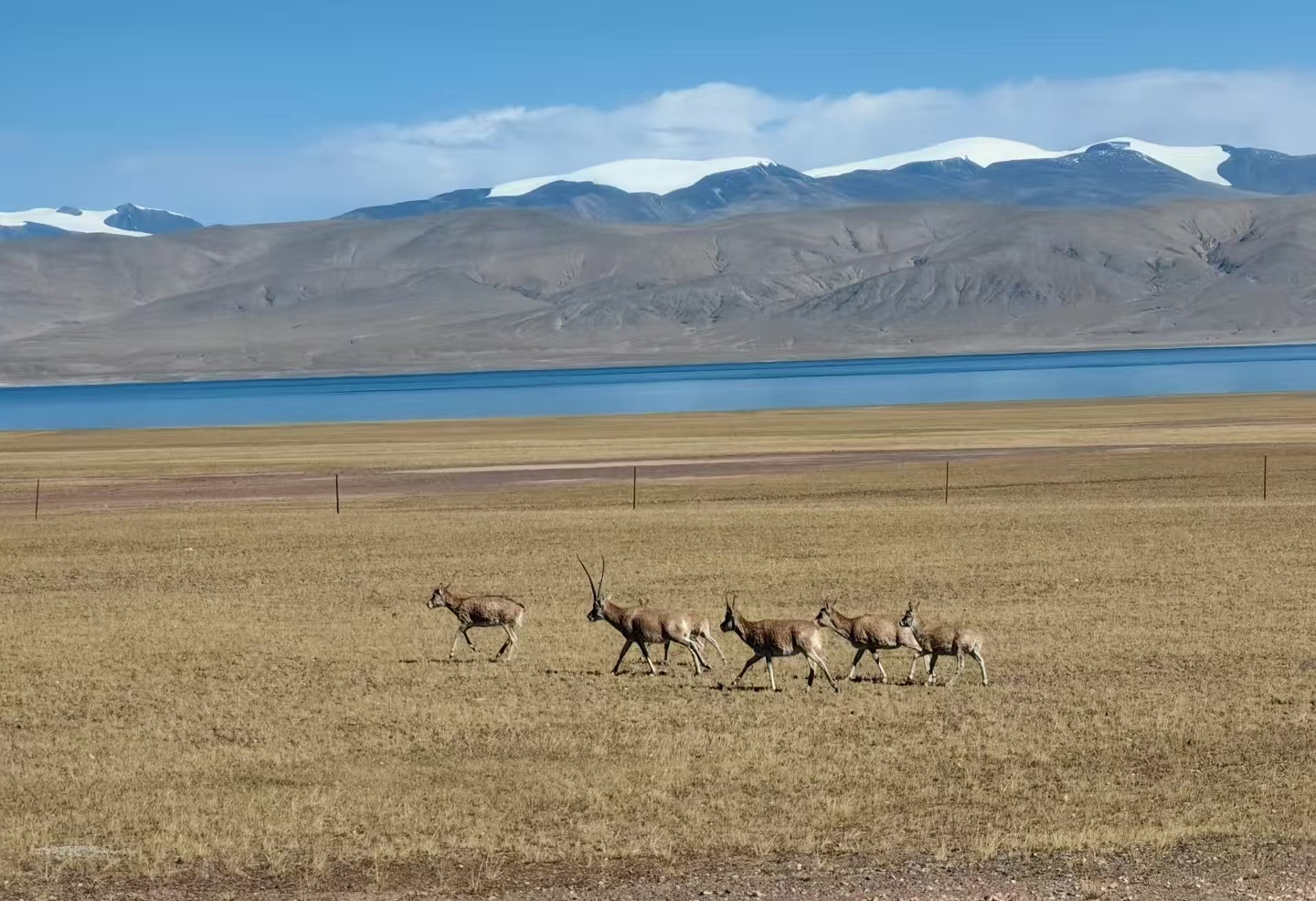
Qinghai landscapes can turn the Tibet train into part of the journey, not only a transfer.
Option 2: Fly Directly to Lhasa
Flying directly to Lhasa is often misunderstood. It brings travelers to high altitude quickly, which can be challenging, but it also avoids the fatigue of a long rail journey.
A direct flight can work if the arrival day is designed carefully. Keep the first day slow, avoid alcohol, avoid heavy walking, and do not schedule ambitious sightseeing immediately after landing.
This option is best for travelers with limited time, previous high-altitude experience, or a private itinerary that protects the first two days.
Option 3: Fly to Nyingchi, Then Continue Overland
For private travelers who want a gentler first step into Tibet, Nyingchi can be a strong alternative.
Nyingchi sits lower than Lhasa and feels different from the stark plateau image many travelers expect. Forests, river valleys and views toward Namcha Barwa create a softer beginning before the route continues west toward Lhasa.
The trade-off is time. Nyingchi entry is not usually the fastest route. It requires more days, careful road planning and flexibility for weather, road conditions and personal comfort.
The First 48 Hours Matter More Than the Arrival Method
Whether travelers arrive by train or plane, the first 48 hours are crucial.
A better plan is to treat the first two days as an adjustment period. Keep walking light, avoid alcohol, avoid overpacking the schedule, and allow the body to respond before moving higher.
This does not mean doing nothing. It means choosing low-intensity activities, short transfers, flexible timing and hotels that make rest easy. The goal is to begin the Tibet journey with stability rather than enthusiasm that burns out too quickly.
How KoraScale Designs a Risk-Aware Tibet Entry Route
KoraScale designs Tibet entry routes around pacing, comfort, current access rules and realistic expectations.
For some travelers, that means Xining plus the Qinghai-Tibet Railway. For others, it means flying directly to Lhasa and protecting the first 48 hours. For comfort-focused private journeys, it may mean entering through Nyingchi and moving toward Lhasa gradually.
For foreign travelers, Tibet planning also needs to account for current permit and organized-arrangement requirements before transport is finalized. Train tickets, flights and road routes should be checked for the exact travel date rather than treated as fixed year-round assumptions.